
Search
Dysfunction of T follicular-helper cells is a possible cause of impaired germinal centre and IgG antibody responses in individuals with HIV
We aimed to explore whether newborns in high-risk areas have pre-existing pneumococcal-specific cellular immune responses that effects early acquisition.
The production of functional antipneumococcal antibodies in otitisprone children demonstrates that they respond to the current pneumococcal conjugate vaccine (PCV)and are likely to respond to pneumolysin-based vaccines as effectively as healthy children.
Identified dominant PCR-ribotypes common to geographically disparate Australian paediatric populations
This research presents serotype, antimicrobial susceptibility and outcome data from paediatric meningitis patients prior to introduction of Haemophilus...
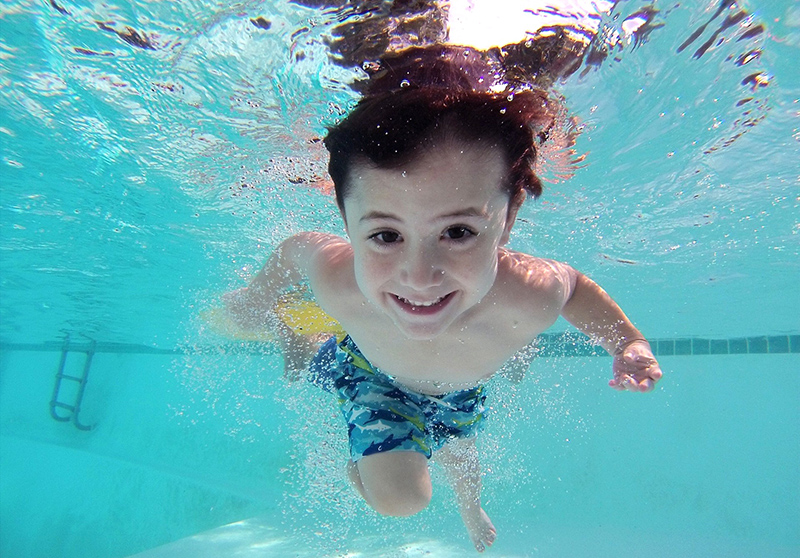
Check out our top tips for travelling with an ear infection so that the kids can fly safely and hit the pool in no time.

Researchers have found kids who experience repeat ear infections in infancy have a much higher risk of ongoing problems with ear infections in later childhood
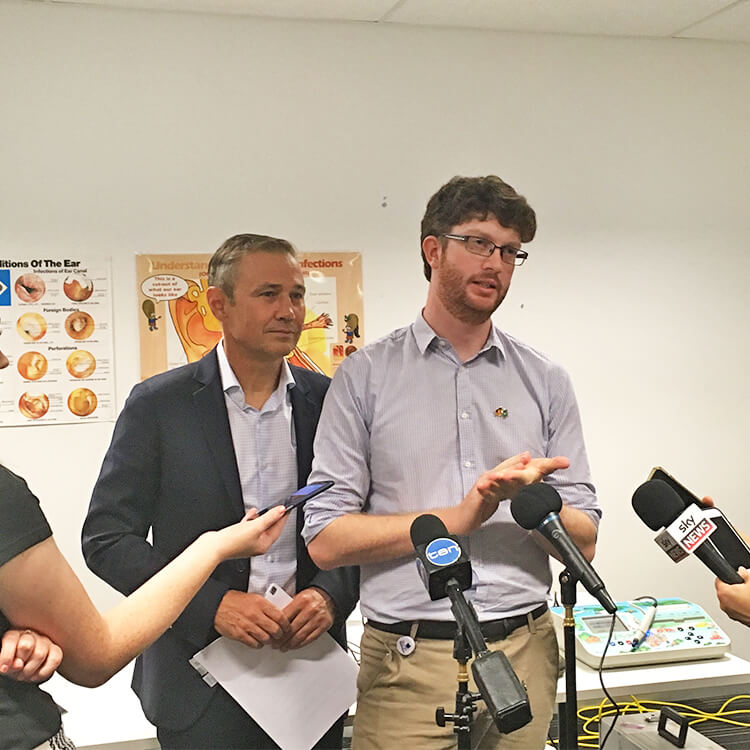
Wait times for Aboriginal children suffering ear infections could be reduced to less than four weeks thanks to a new The Kids Research Institute Australia research project
Nontypeable Haemophilus influenzae (NTHI) strains are responsible for respiratory-related infections which cause a significant burden of disease in...
Our findings highlight the need to consider age, ethnicity, seasonality and climate when evaluating rotavirus vaccine programs.