
Search
Showing results for "8"

The Kids researchers have been awarded over $9 million in National Health and Medical Research Council (NHMRC) funding towards child health research including rheumatic heart disease, respiratory infections, and autism spectrum disorder.
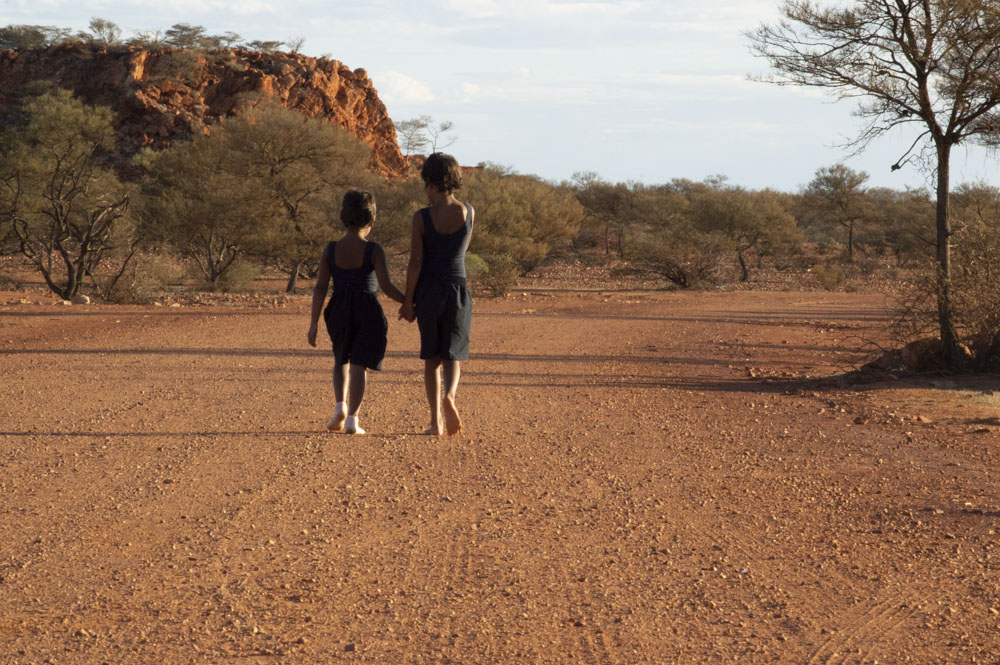
Children at risk of potentially life-threatening Strep A infections no longer have to wait five days for timely treatment, thanks to a The Kids Research Institute Australia study conducted in the remote Kimberley region of Western Australia.
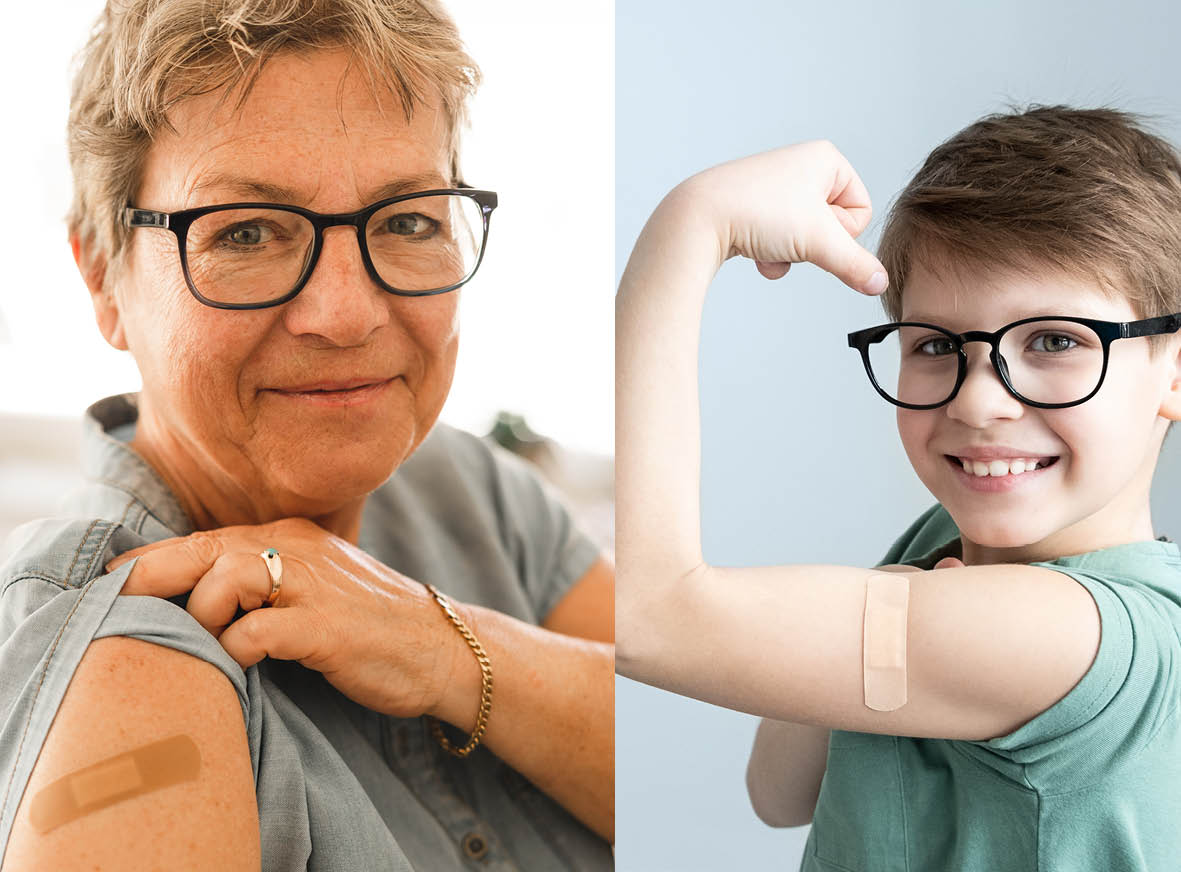
Optimising our national Covid-19 vaccine program could be one step closer thanks to new research now underway at The Kids Research Institute Australia investigating the most effective, long-term strategies for booster vaccinations.
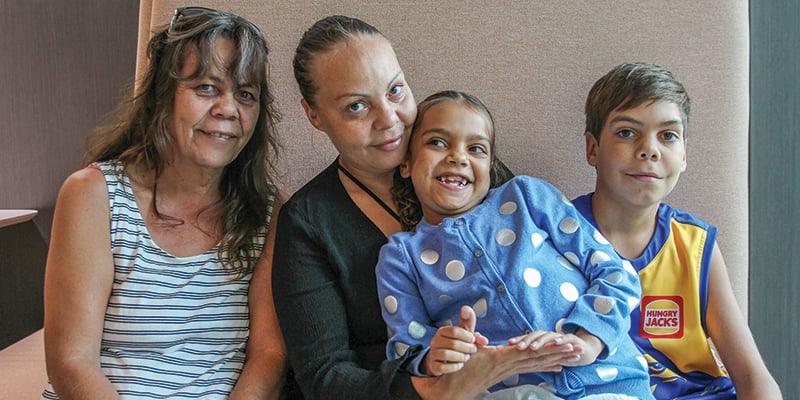
When Katrina took her daughter Tenaya to the local emergency department for the fourth time, she was determined she wouldn’t be leaving without answers.
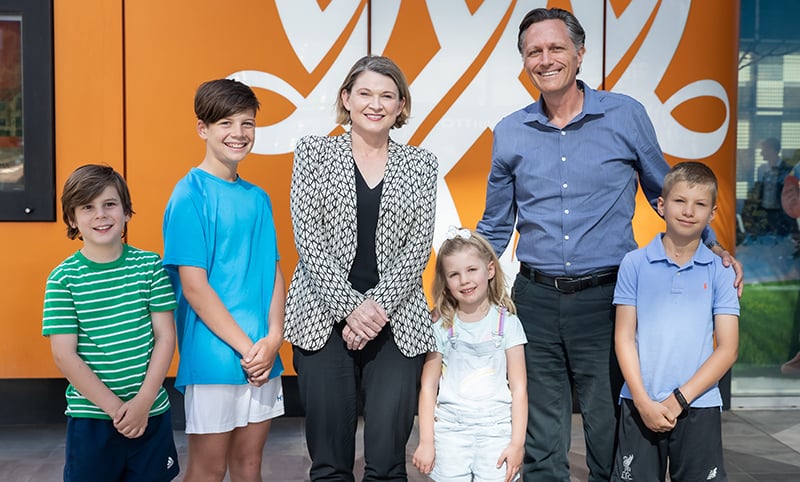
Bankwest and The Kids Research Institute Australia have announced a new partnership, bringing together two iconic Western Australian organisations to support parents in their cyber safety battle.
Aspergillus is increasingly associated with lung inflammation and mucus plugging in early cystic fibrosis disease during which conidia burden is low and strains appear to be highly diverse. It is unknown whether clinical Aspergillus strains vary in their capacity to induce epithelial inflammation and mucus production.
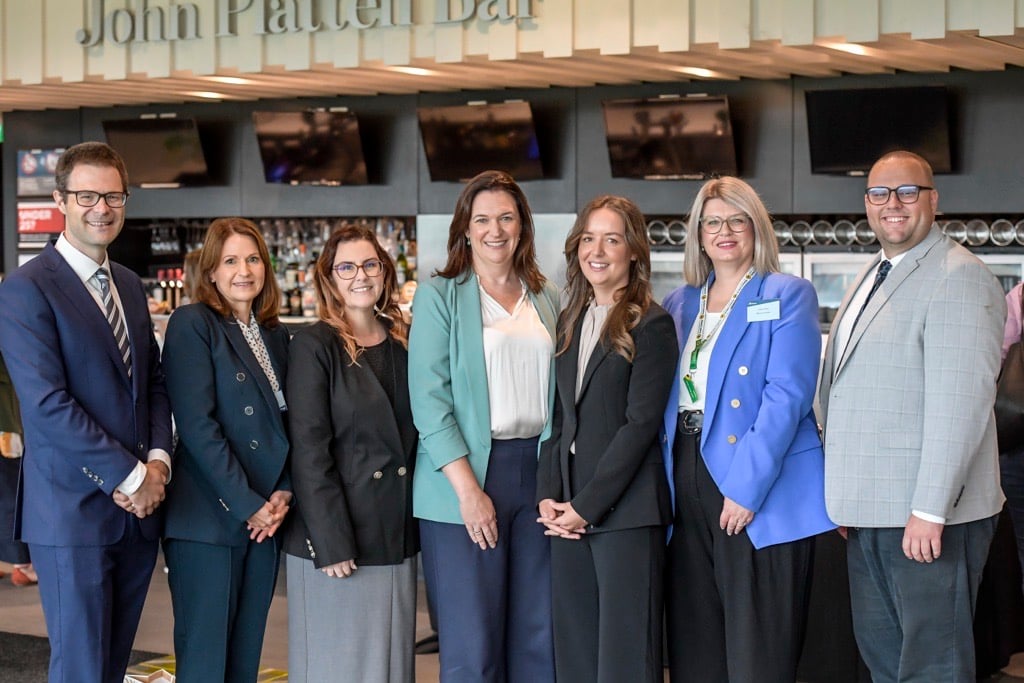
South Australian families with babies showing early social and communication differences will be among the first to benefit from a nation-leading early support program, as The Kids Research Institute Australia’s Inklings Program officially launches in South Australia.
Manifestations of insistence on sameness and circumscribed interests are complex, with individuals varying considerably, not only in the types of behaviours they express, but also in terms of a behaviour's frequency, intensity, trajectory, adaptive benefits, and impacts.
The aim of this study was to explore the relationship between emotional health and wellbeing and support needs of perinatal women during the COVID-19 pandemic, and to understand their experiences and need for support. This is a potentially vulnerable group and a critical developmental phase for women and infants.
Jonathan Carapetis AM AM MBBS FRACP FAFPHM PhD FAHMS Co-Head, Strep A Translation; Co-Founder of REACH 08 6319 1000 contact@thekids.org.au Head,