
Search
Showing results for "autism"
The purposes of this study were to explore what makes for a "good life" from the perspective of young adults with Down syndrome and to identify the barriers...
This paper describes dental and oral cavity admissions and associated factors in children under two years of age using total-population databases.
Understanding hospital service use among children with a diagnosis of craniosynostosis is important to improve services and outcomes. This study aimed to describe population-level trends, patterns, and factors influencing hospitalizations for craniosynostosis in Western Australia.
This study aimed to provide initial validation of the Dimensional Assessment of Restricted and Repetitive Behaviors (DARB), a new parent-report measure designed to capture the full range of key restricted and repetitive behaviors (RRB) subdomains.
Children with rare diseases experience challenges at home and school and frequently require multi-disciplinary healthcare. We aimed to determine health service utilization by Australian children with rare diseases and barriers to accessing healthcare.
This project aims to better understand the early genetic and environmental factors that the developing brain during a child’s first five years of life.
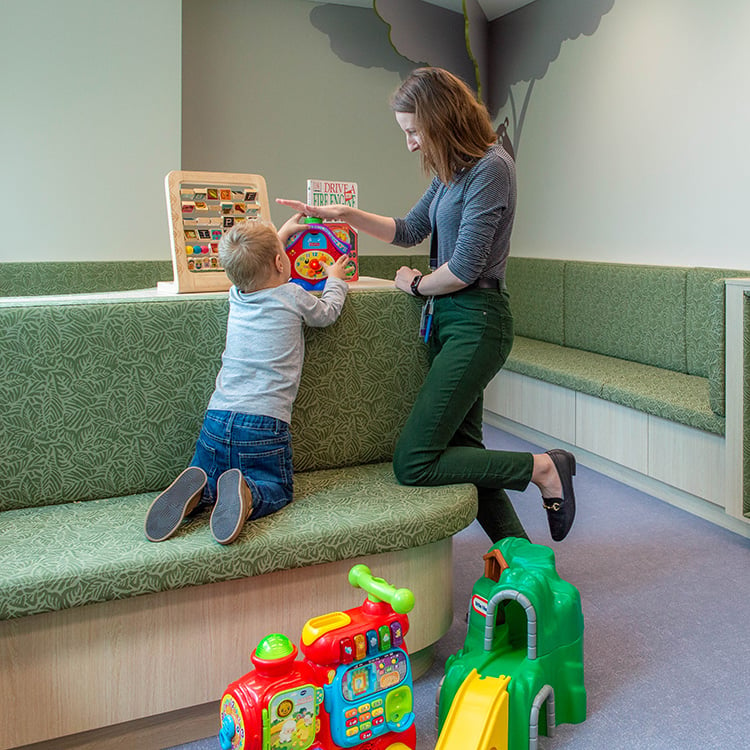
CliniKids provides therapy support and individualised programs to help children and families to reach their full potential.
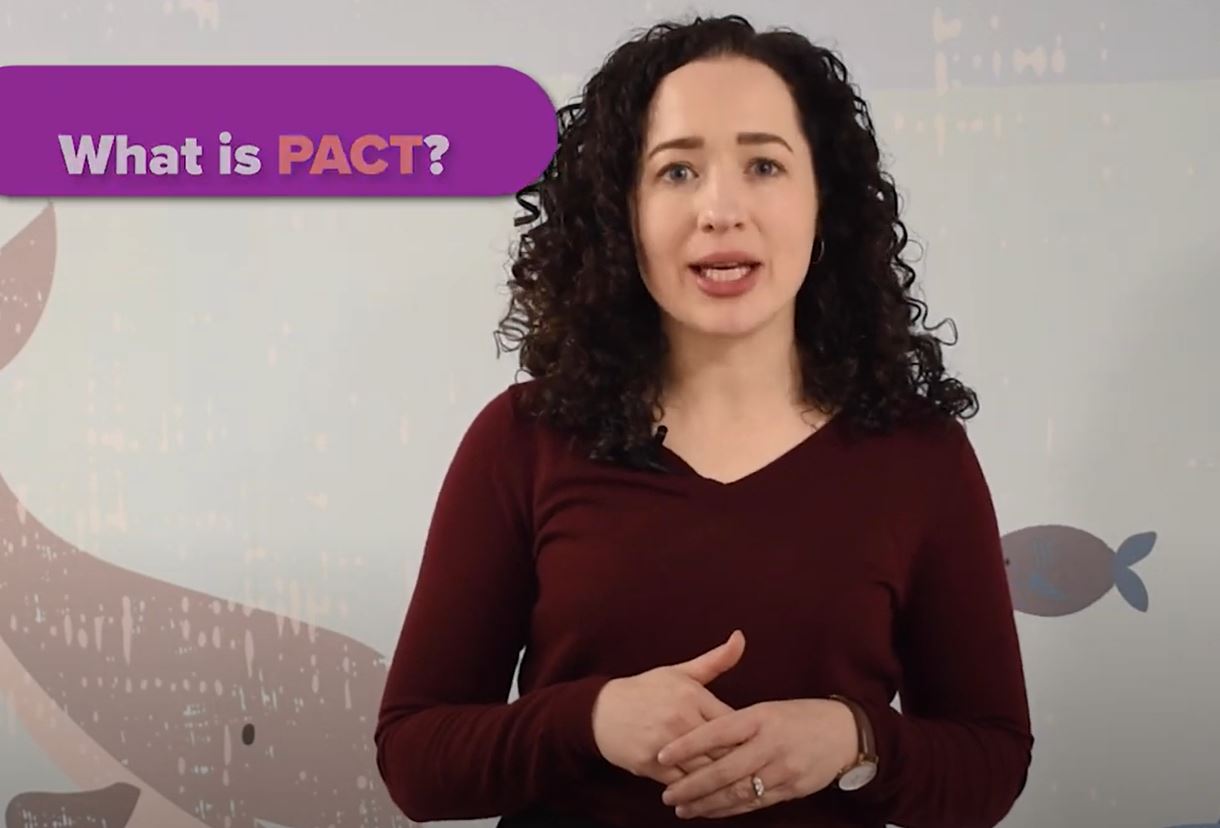
Paediatric Autism Communication Therapy is now available at CliniKids via telehealth.
Existing quality of life scales for children in the general population or with other disabilities did not capture the QOL of children with Rett syndrome

Mental health concerns in youth are important in their own right. However, they can be even more troubling when your child is dealing with other health conditions.