
Search
Showing results for "mental health aboriginal"
In this project, we are using systems biology approaches to map the wound healing response in sarcoma following surgery to identify new treatments that can prevent sarcoma relapse.

More than 80,000 Australian children are expected to benefit from a trial being rolled out to 700 childcare centres across the country that aims to boost declining physical activity levels.
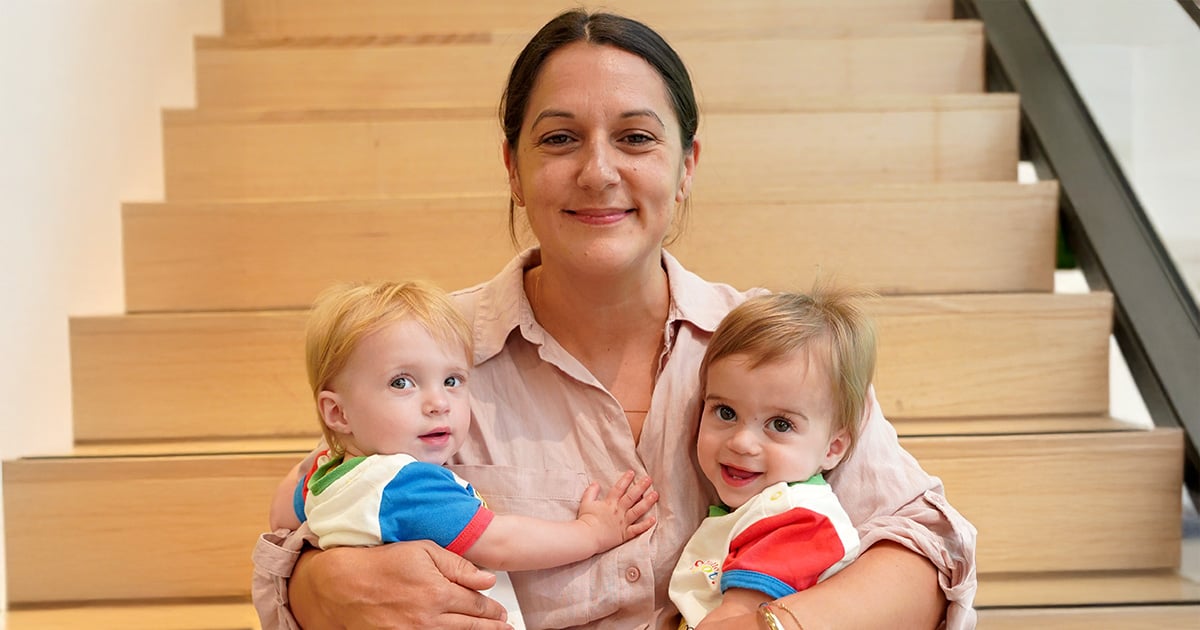
An Australian-first study, funded by Perth Children's Hospital Foundation, demonstrating the effectiveness of a new immunisation against respiratory syncytial virus (RSV) for babies found it to be almost 90 per cent effective in reducing hospitalisation rates.
Monkeypox virus (MPXV) has been linked to vertical transmission, but systematic data are scarce. We aimed to describe the sociodemographic, clinical, and virological characteristics and assess the frequency and determinants of adverse outcomes in pregnant women with MPXV clade I infection.
Early detection of cerebral palsy (CP) risk is possible from 12 weeks corrected gestational age (CGA) using standardised assessments; however, up to half of children at risk are not referred early, missing out on early intervention. We investigated the barriers and facilitators to accessing early intervention from the perspective of parents of children who did not receive services by 6 months CGA.
o map subnational and local prevalence of drug-resistant tuberculosis (DR-TB) across Africa. We assembled a geolocated dataset from 173 sources across 31 African countries, comprising drug susceptibility test results and covariate data from publicly available databases. We used Bayesian model-based geostatistical framework with multivariate Bayesian logistic regression model to estimate DR-TB prevalence at lower administrative levels.
Platinum-based chemotherapy in combination with anti-PD-L1 antibodies has shown promising results in mesothelioma. However, the immunological mechanisms underlying its efficacy are not well understood and there are no predictive biomarkers to guide treatment decisions.
Tuberculosis (TB) is the leading infectious cause of death globally. Several preventive measures are employed to prevent TB, yet there is a paucity of evidence on the effectiveness of these interventions. Therefore, this study aimed to identify the most effective interventions for reducing TB incidence.
Improvements in neonatal critical care have resulted in more people than ever reaching adulthood after being born prematurely. At the same time, it is becoming clearer that preterm birth can increase the risk of respiratory disease throughout a person’s lifetime. Awareness that a patient was born preterm can enable early specialist assessment and intervention when there is any concern about lung health.
An effective disease surveillance system is critical for early detection and response to disease epidemics. This study aimed to assess the capacity to manage and utilize disease surveillance data and implement an intervention to improve data analysis and use at the district level in Tanzania.