
Search
Showing results for "Childhood interstitial lung disease "
IgE-mediated food allergies have been linked to suboptimal naïve CD4 T (nCD4T) cell activation in infancy, underlined by epigenetic and transcriptomic variation. Similar attenuated nCD4T cell activation in adolescents with food allergy have also been reported, but these are yet to be linked to specific epigenetic or transcriptional changes.
research nurse registered clinical trials vaccines
Provides effective and outstanding administrative support to the Children's Diabetes Centre and supports the work of the research team.

Senior Research Fellow

Honorary Research Fellow

Head, Immunology and Breastfeeding
Catch up on the December 2023 edition of our Research News.
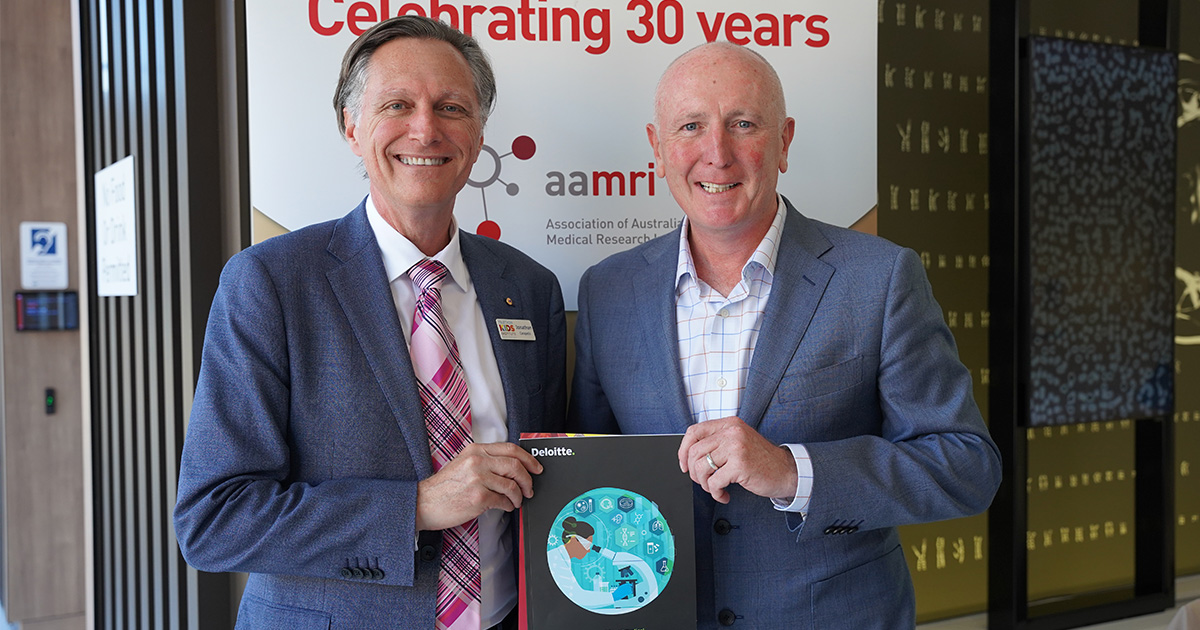
The Kids Research Institute Australia has welcomed a landmark report which reveals every dollar invested in WA’s medical research sector is more than doubled when it comes to return on investment to our economy.
Staphylococcus aureus bacteraemia (SAB) is the most common cause of sepsis, contributing to paediatric intensive care unit admission in Australia and New Zealand. While deep venous thrombosis (DVT) has been reported in children with invasive S. aureus infections, the actual frequency and possible effects of thrombosis on disease severity and outcome in paediatric SAB remain unknown. Moreover, guidance regarding imaging for paediatric SAB management are poorly defined.
Malaria risk maps are crucial for controlling and eliminating malaria by identifying areas of varying transmission risk. In the Greater Mekong Subregion, these maps guide interventions and resource allocation. This article focuses on analysing changes in malaria transmission and developing fine-scale risk maps using five years of routine surveillance data in Laos (2017-2021). The study employed data from 1160 geolocated health facilities in Laos, along with high-resolution environmental data.