
Search
Showing results for "early childhood"
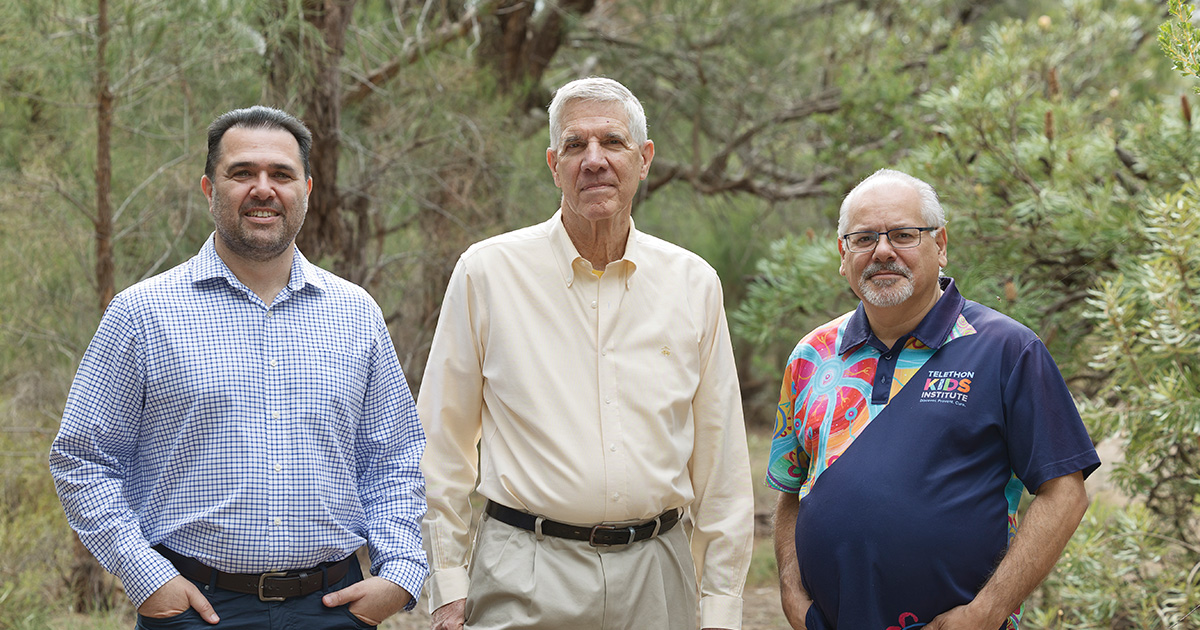
In 1998, The Kids Research Institute Australia embarked on one of the most ambitious population health projects in Western Australian history.
Maternal influenza and pertussis vaccination is an important strategy to reduce morbidity and mortality in infants. Previous vaccine safety studies have mostly focused on the association between maternal vaccination and fetal death.
To investigate the follow-up and outcomes of HIV-exposed infants in a setting of low HIV prevalence. This was a multicenter, retrospective study of live-born infants of women known to be living with HIV, at 9 tertiary pediatric centers in Australia and New Zealand from 2009-2025. Antenatal, perinatal, and postnatal data, and outcomes at clinic visits to 18 months of age were collected, including co-morbidities, development, and HIV results.

Young people and their families have teamed up with youth mental health providers and researchers to deliver a report which tackles youth suicide in WA.
Skin scar formation following Bacille Calmette-Guérin (BCG) or smallpox (Vaccinia) vaccination is an established marker of successful vaccination and 'vaccine take'. Potent pathogen-specific (tuberculosis; smallpox) and pathogen-agnostic (protection from diseases unrelated to the intentionally targeted pathogen) effects of BCG and smallpox vaccines hold significant translational potential.
Recent interest in the diverse ecosystem of bacteria, fungi, parasites, and viruses that make up the skin microbiome has led to several studies investigating the microbiome in healthy skin and in a variety of dermatological conditions.
Christopher Peter Hannah Blyth Richmond Moore MBBS (Hons) DCH FRACP FRCPA PhD MBBS MRCP(UK) FRACP OAM BSc (Hons) GradDipClinEpi PhD Centre Head,
Asha Jacinta Bernadette Bowen Walton Ricciardo BA MBBS DCH FRACP PhD GAICD FAHMS OAM MBBS (hon) DCH FACD Head, Healthy Skin and ARF Prevention
Rates of antimicrobial resistance (AMR) for some pathogens in Australia are considerably higher in rural and remote compared to urban regions. The inaugural Hot North Antimicrobial Academy was a 9-month educational programme aimed to build workforce knowledge and capacity in antimicrobial use, audit, stewardship, surveillance and drug resistance in remote primary health care.
Determine the optimal antibiotic choice for lower respiratory tract infection in children with neurodisability.