
Search
Showing results for "mental health aboriginal"

This study examines the impact of nutrition-related maternal, infant and childhood health outcomes and healthcare utilisation.

Dear families, As cases of Covid-19 increase here in Western Australia, we are working closely with our colleagues in general paediatrics to prepare
Streptococcus pyogenes is a leading cause of infection-related morbidity and mortality. A reinvigorated vaccine development effort calls for new clinically relevant human S pyogenes experimental infection models to support proof of concept evaluation of candidate vaccines. We describe the initial Controlled Human Infection for Vaccination Against S pyogenes (CHIVAS-M75) study, in which we aimed to identify a dose of emm75 S pyogenes that causes acute pharyngitis in at least 60% of volunteers when applied to the pharynx by swab.
We estimated age-sex-specific all-cause mortality using the GBD 2010 methods with some refinements to improve accuracy applied to an updated database of vital registration, survey, and census data.
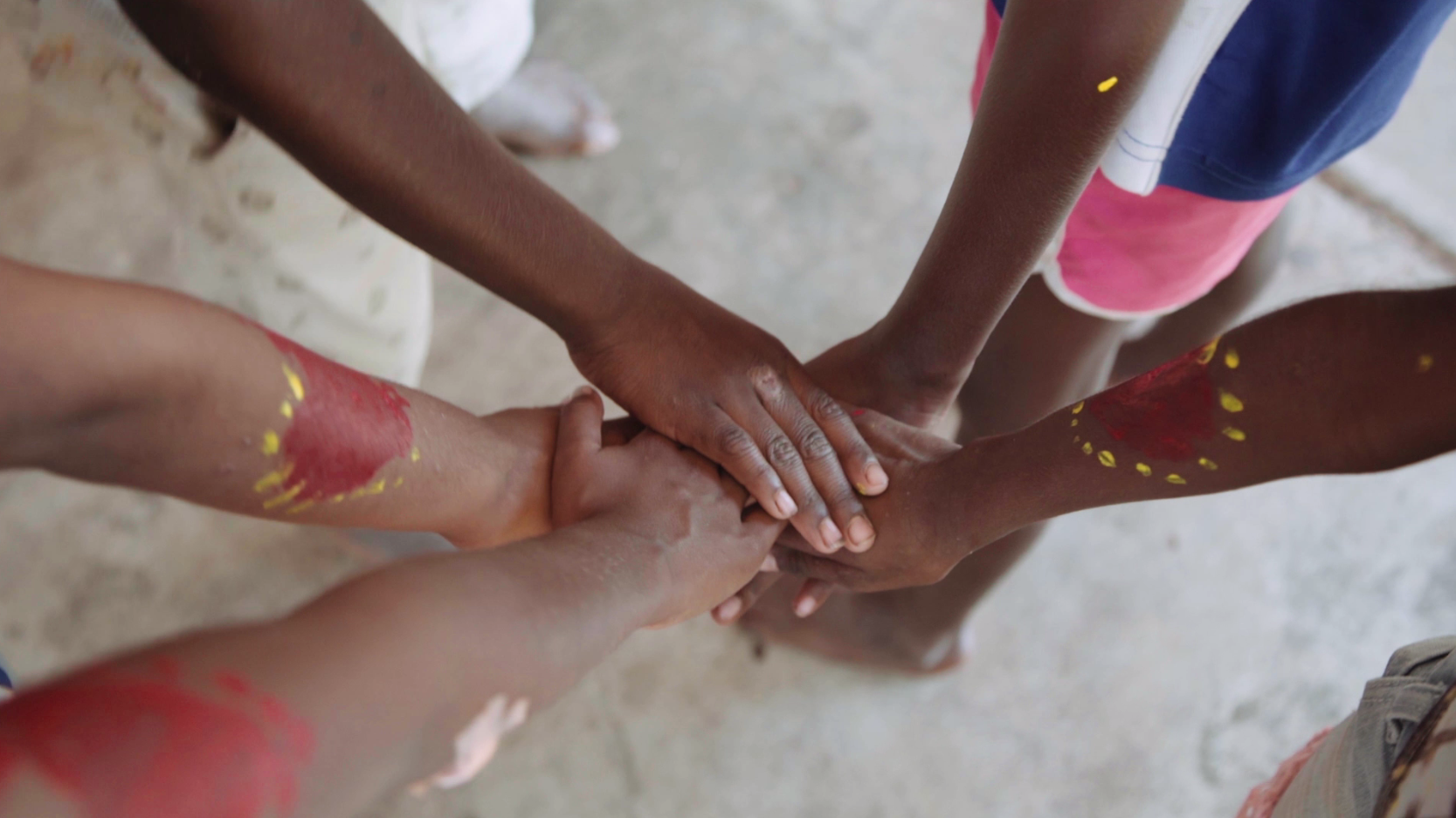
Research teams led by The Kids Research Institute Australia have been awarded $3.75 million to support two innovative projects – one focused on pioneering a national ‘Food Atlas’ to map access to healthy and unhealthy food across the country, and the other on developing new ways to prevent Strep throat and rheuma
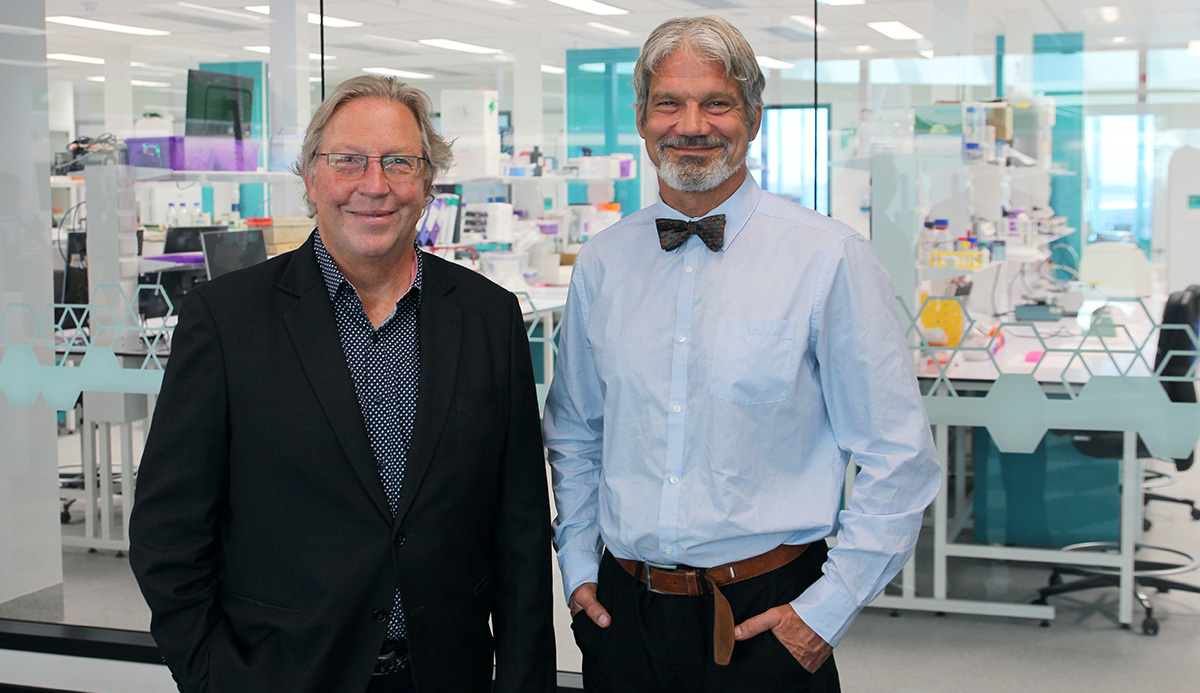
Perth researchers are leading an international clinical trial focused on preventing the spread of COVID-19 by testing the effectiveness of the drug interferon in reducing the infectiousness of people who contract the virus.
As malaria incidence decreases and more countries move towards elimination, maps of malaria risk in low-prevalence areas are increasingly needed. For low-burden areas, disaggregation regression models have been developed to estimate risk at high spatial resolution from routine surveillance reports aggregated by administrative unit polygons.
We generated updated estimates of child mortality in various age groups for 188 countries from 1970 to 2013.
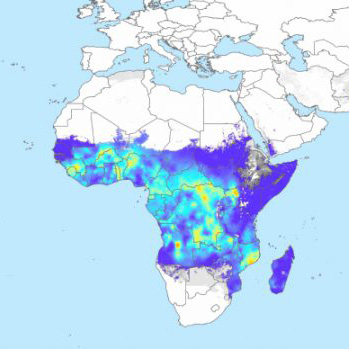
The Infectious Disease Ecology and Modelling team led by Professor Nick Golding, combines mathematical and statistical modelling, ecology, and public health to address malaria and other infectious and vector-borne diseases. The team uses modelling and maps to measure the risk posed by some of the world’s most important and neglected diseases – including malaria, Japanese Encephalitis and COVID-19 – and provide rapid modelling analyses to policy makers.
Publications, papers and findings coming out of ORIGINS and its sub-projects