
Search
Showing results for "clinical trials"
Carrington Fiona Shepherd Stanley PhD FAA FASSA MSc MD FFPHM FAFPHM FRACP FRANZCOG HonDSc HonDUniv HonFRACGP HonMD HonFRCPCH HonLLB (honoris causa)
Listening to children and families about what is important to them when visiting Child Development Services (CDS) can provide valuable insights.
The project aims to build capacity in regenerative medicine for children with respiratory diseases.
Keely Leanne Bebbington Fried MClinPsych/PhD BSc DipEd MSpEd EdD McCusker Postdoctoral Research Fellow in Type 1 Diabetes Senior Research Fellow 08

Liana’s story begins nine years ago. It starts with a sore ankle, a fever, a trip to the emergency room and clinic and finally a diagnosis of acute rheumatic fever (ARF).
Contact us If you'd like to get in touch, please contact us by phone or email. Phone: 0400 450 240 Email: vtg@thekids.org.au Respiratory Syncytial
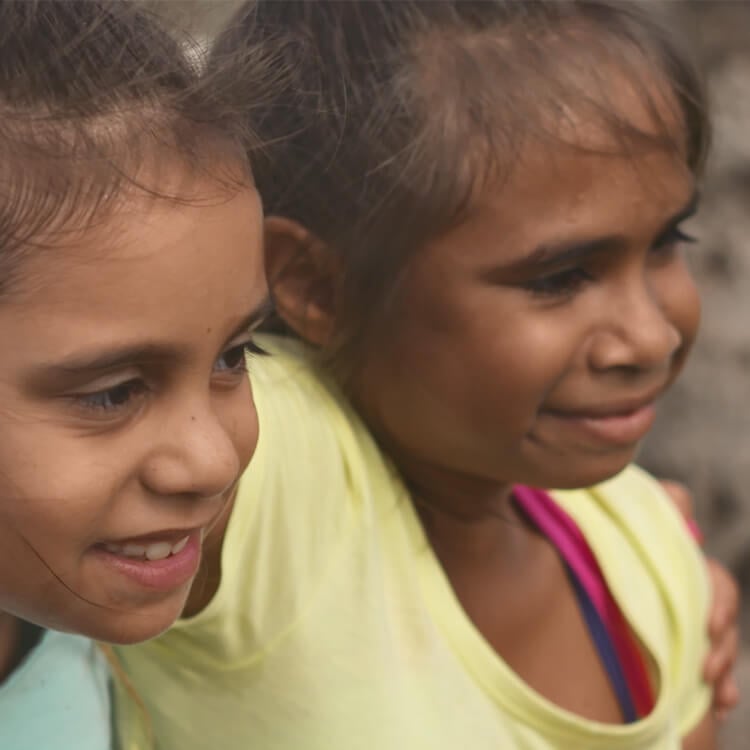
National Healthy Skin Guideline: for the Prevention, Treatment and Public Health Control of Impetigo, Scabies, Crusted Scabies and Tinea for Indigenous Populations and Communities in Australia

Supporting parents of trans and gender diverse kids.
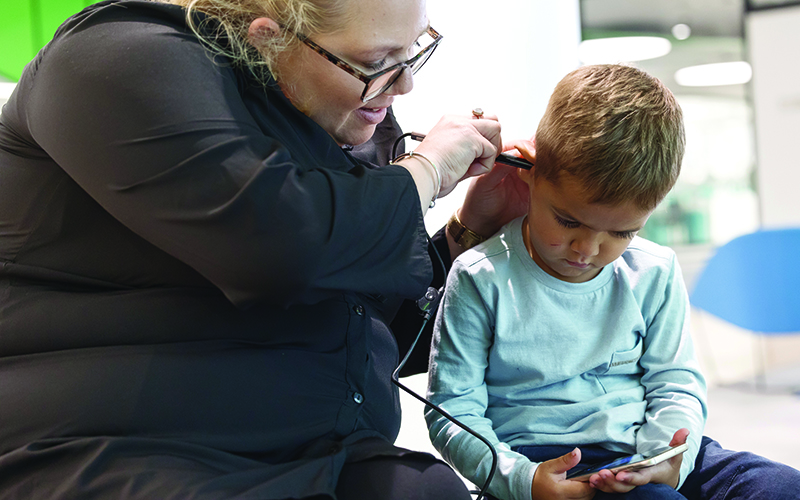
An innovative The Kids program is helping to slash waiting times so children can have their ear problems checked within days.
A non-progressive motor disability due to damage of the developing brain, this is the most common physical disability in childhood. Affecting about one in 500 babies, it is frequently accompanied by other neurological impairments, such as intellectual or sensory.