
Search
Showing results for "early lung health"
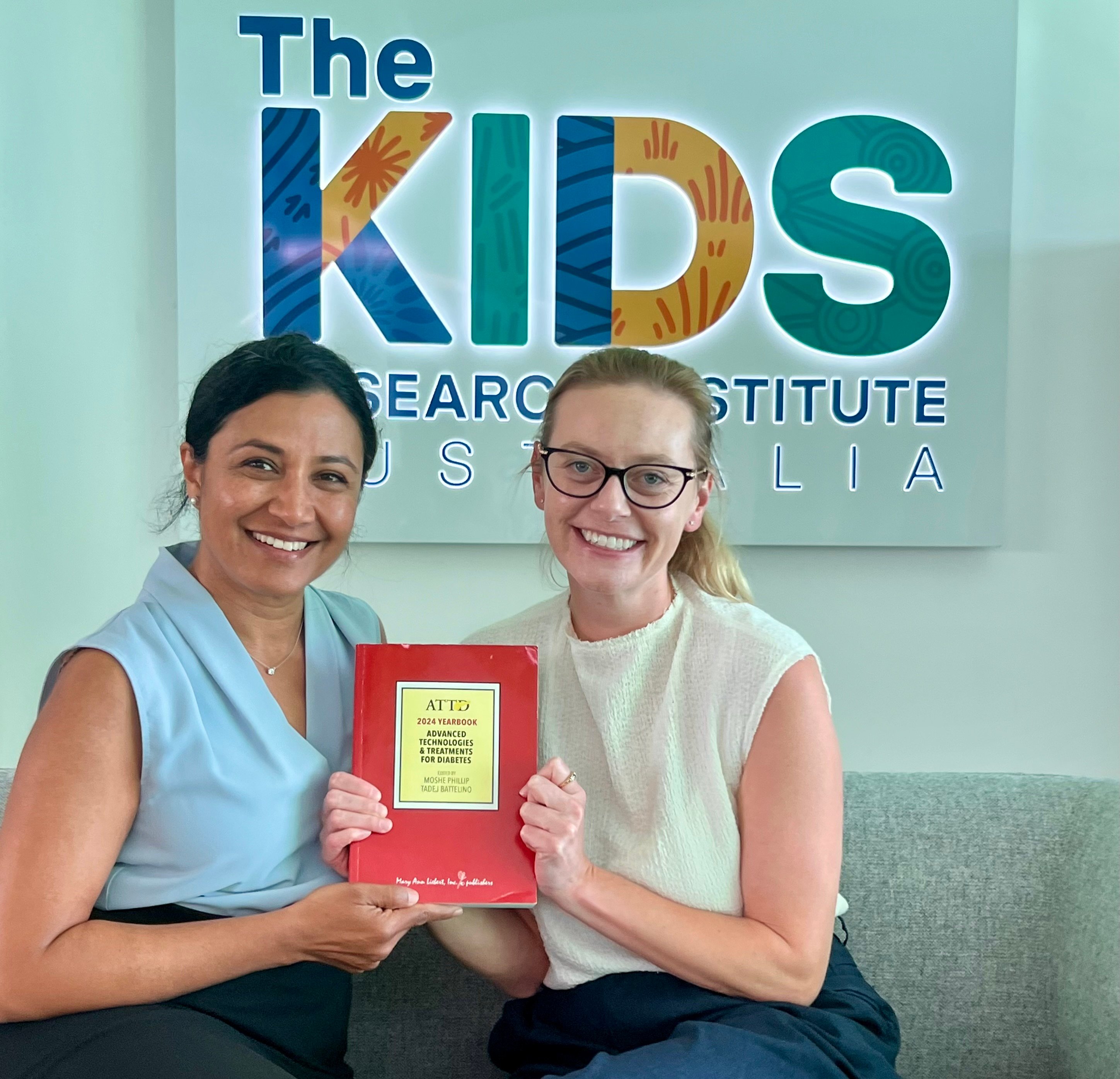
Fantastic news for two of our talented researchers whose papers were featured in the Advanced Technologies & Treatments for Diabetes (ATTD) 2024 Yearbook.
Findings from the Ngulluk Koolunga Ngulluk Koort (Our Children, Our Heart) Project community forums and focus groups.
In Western Australia (WA) social activities occur in aquatic environments where alcohol promotion and consumption may be prevalent creating an aquatic alcogenic environment. This poses a challenge for drowning prevention efforts.
Cardiovascular imaging results offer valuable information that can guide health decisions, but their impact on medication use and adherence is unclear. This systematic review and meta-analysis aimed to determine the downstream impact of cardiovascular imaging results on medication use and adherence.
It is unknown whether the nutritional quality of children's menus vary depending on the cuisine type. This study aimed to investigate differences in the nutritional quality of children's menus by cuisine type in restaurants located in Perth, Western Australia.
Little is known about how to effectively encourage higher levels of activity among older people. This study tested the effectiveness of a public service advertisement designed according to recommendations for communicating with older audiences and featuring five types of moderate-to-vigorous physical activity: tennis, line dancing, cycling, swimming and jogging.
Advertising and marketing by the alcohol industry serve to normalise alcohol use, with exposure to alcohol advertising linked to earlier and riskier drinking among young people. Advertising that portrays alcohol use in and around waterways is of particular concern, with one in five fatal drownings being associated with alcohol.

Head, Youth Mental Health
Extremely preterm infant survival has significantly improved with advanced neonatal care; however outcomes of infants born with birth weight ≤500 g remain poor. We aimed to review outcomes of this cohort in our Institution.
In adolescents with type 1 diabetes, the group with the highest tertile of albumin excretion showed more evidence of early renal and CV disease