
Search
Showing results for "early lung health"
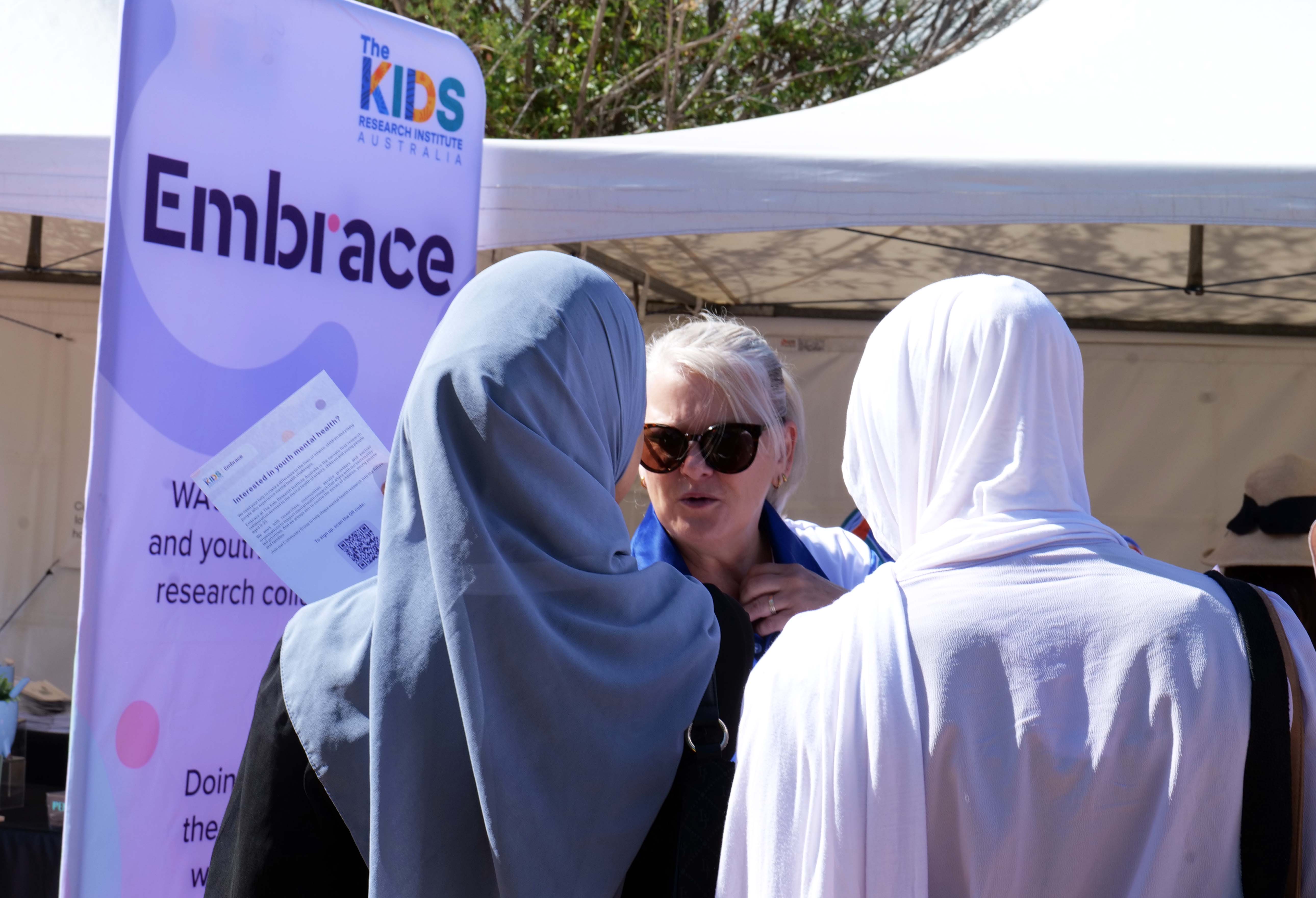
“Stigma”, “pressure of ATAR”, “stress” and “money” were some of the key issues identified when Embrace researchers asked students about their biggest mental health concerns at multiple university open days.
The relationship between ethnicity and mortality of patients critically ill with COVID-19 in Australia has not been described. Defining those communities at the highest risk of severe COVID-19 may assist with formulating effective public health policy and may improve the equitable delivery of health care in Australia.
To characterise the socio-demographic characteristics, aged and health care needs, and aged care services used by older Aboriginal and Torres Strait Islander people assessed for aged care service eligibility.
This research aims to improve the mental health of LGBTQIA+ individuals through enhanced inclusive practice training for trainee health professionals.
There is currently a lack of evidence on the effect of the policy reforms on access to cardiovascular interventions in public and private hospitals in...
Trans and gender diverse (trans) young people experience higher rates of physical and mental ill-health due to chronic exposure to gender minority stress. Consequently, trans young people report higher health and mental healthcare service utilisation. Disconcertingly, negative experiences of healthcare services are prevalent among trans young people, especially those with additional marginalised identities and backgrounds who experience multiple forms of marginalisation.
To determine whether the screening age for atrial fibrillation (AF) should be lowered for Indigenous Australians with the goal of reducing risk of stroke and other health burdens.
The Kids Research Institute Australia's Statement of Commitment to Climate Change & the Environment
In this project, our team provides malaria vaccine impact predictions to inform vaccine investment strategies for Gavi, the Vaccine Alliance, and their partners.
We assess progress towards improved case management of childhood diarrhea in Nigeria over a period of targeted health systems reform from 2013 to 2018. Individual and community data from three Demographic and Health Survey rounds are leveraged in a geospatial model designed for stratified estimation by venue of treatment seeking and State.