
Management of the pediatric difficult airway can present unique clinical challenges. The Pediatric Difficult Intubation Collaborative (PeDI-C) is an…
Children with difficult tracheal intubation are at increased risk of severe complications, including hypoxaemia and cardiac arrest. Increasing experi…
Pediatric neurology is the medical subspecialty responsible for diagnosing and managing diseases and disorders of the nervous system in childhood and…
Secondary antibiotic prophylaxis reduces progression of latent rheumatic heart disease (RHD) but not all children benefit. Improved risk stratificati…
The COVID-19 pandemic evidenced the critical role of vaccination in reducing the severity of illness and the risk of infection. Despite the policies…
Despite vaccination, influenza and otitis media (OM) remain leading causes of illness. We previously found that the human respiratory commensal Haemo…
Thompson-Wicking K, Francis RW, Stirnweiss A, Ferrari E, Welch MD, Baker E, Murch AR, Gout AM, Carter KW, Charles AK
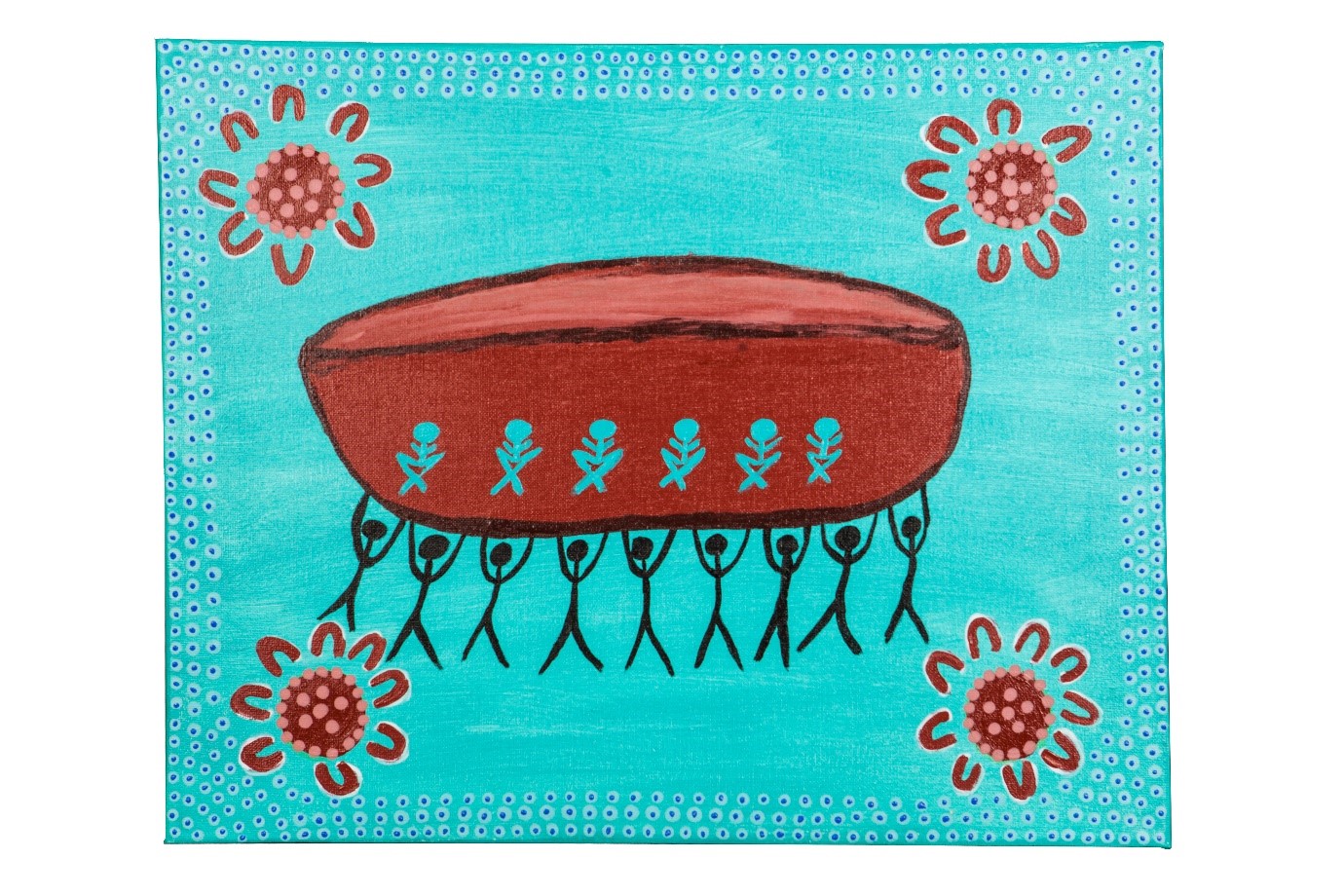
Art featured for the Ngulluk Koolunga Ngulluk Koort (Our Children, Our Heart) Project, by the artist Mrs Millie Penny.
https://wellmob.org.au/e-health-topics/keeping-safe/online-safety/ & ... target="_blank" rel="noopener">https://wellmob.org.au/e-health-topics/keepin…
Paediatric cancer is the leading cause of disease-related death in Australian children. Limited research focuses on cancer in Aboriginal and Torres S…