
Search
Showing results for "Childhood interstitial lung disease "
Successful defence against viral pathogens requires the rapid recognition of virus-specific "danger signals" and the activation of both innate and adaptive...
The group 7 allergens are important allergenic specificities for mite-sensitive patients and may need to be incorporated into new diagnostic and therapeutic...
research nurse registered clinical trials vaccines
Provides effective and outstanding administrative support to the Children's Diabetes Centre and supports the work of the research team.

Senior Research Fellow

Honorary Research Fellow

Head, Immunology and Breastfeeding
Catch up on the December 2023 edition of our Research News.
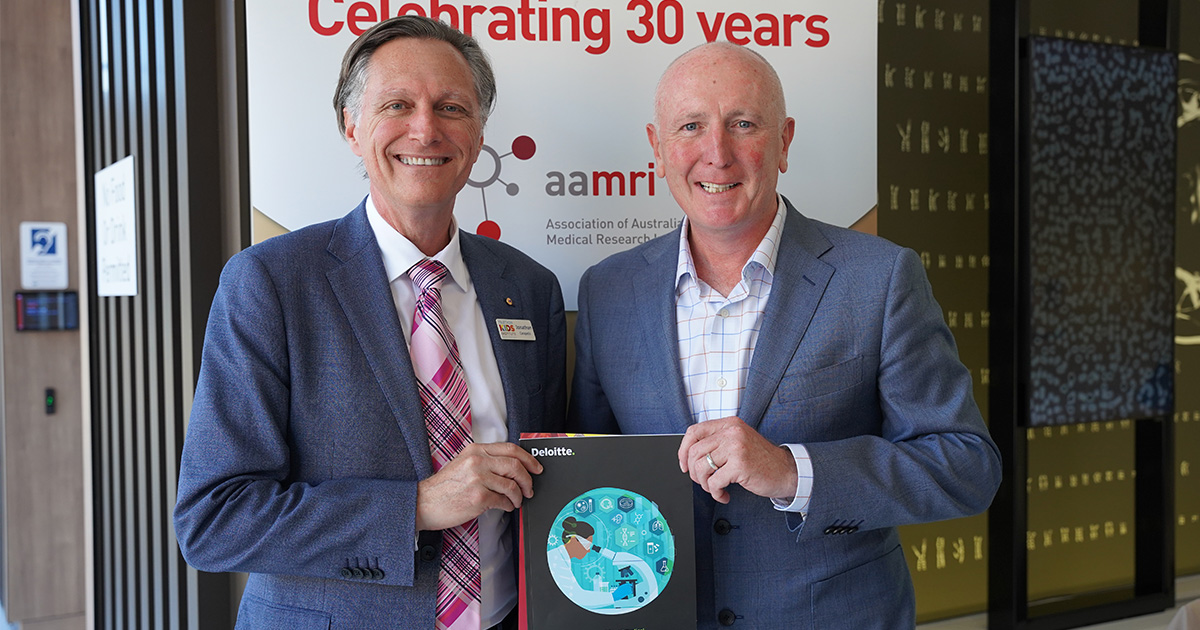
The Kids Research Institute Australia has welcomed a landmark report which reveals every dollar invested in WA’s medical research sector is more than doubled when it comes to return on investment to our economy.

A regional corner of Africa is a hotspot for cases of HIV, tuberculosis and malaria, prompting researchers to call for targeted health support rather than a national response.