
Search
Showing results for "early lung health"

The Kids Research Institute Australia has an ongoing commitment to the development of our people, and our award-winning Emerging Leaders Program aims to foster the next generation of Institute leaders.

Head, Nutrition in Early Life

Rachelle Wicks is a Research Fellow at CliniKids.
Remission is the desired outcome following OIT as it allows individuals to discontinue treatment and eat the allergen freely. Early initiation of OIT in infants and toddlers has been embraced as an approach to increase the likelihood of remission. However, there is no high-quality evidence supporting younger age as an independent factor driving remission; available studies are limited by small samples of younger subjects and lack of adjustment for confounding covariates, particularly peanut-specific IgE (sIgE) levels which is closely cor
The introduction of pathogens originating from Eurasia into the Americas during early European contact has been associated with high mortality rates among Indigenous peoples, likely contributing to their historical and precipitous population decline.
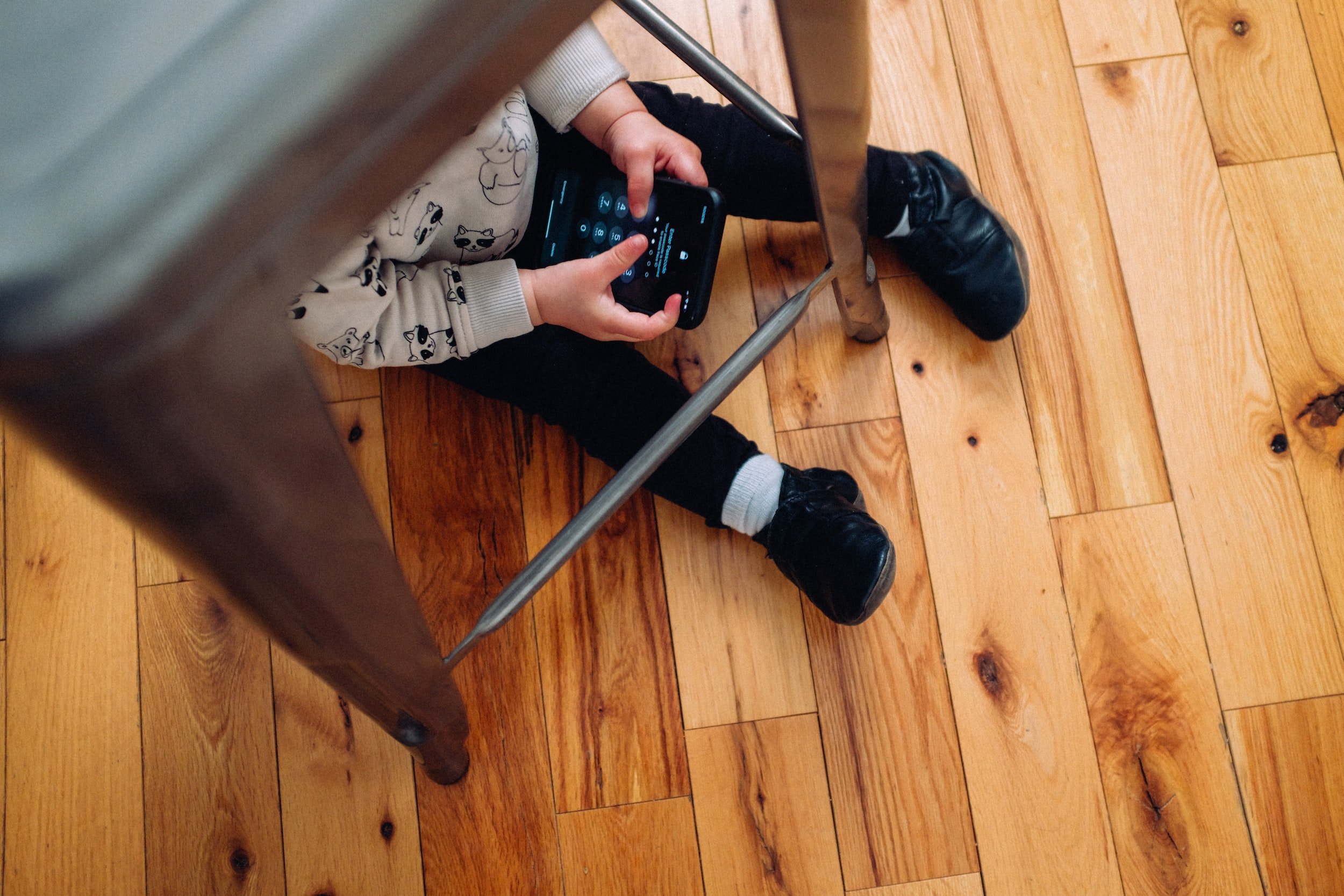
The Early Start Screen Smart Program was developed with parents, for parents and professionals, and backed by research.

Rachelle Wicks is a Research Fellow at CliniKids
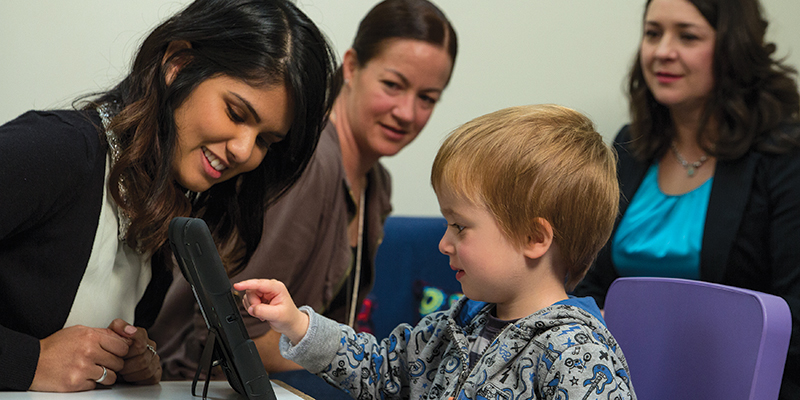
An attention-training game developed by researchers at The Kids Research Institute Australia is helping to improve social skill development in school-aged kids with autism.
Optimise+ is a research project designed to build on the best parts of LGBTQ+ community-controlled mental health and AOD services across Australia, with the aim of further enhancing service options.
This study aimed to identify a CIS peripheral blood signature that may provide clues for potential immunomodulatory approaches early in disease