
Search
Showing results for "Childhood interstitial lung disease "
The Opportunity The biostatistician provides statistical support and guidance in respiratory disease (primarily cystic fibrosis), including the
Studying Biology at single-cell resolution is set to revolutionize our understanding of human health and disease.
Newly created role to facilitate the set up and day to day running of clinical research studies

Centre Head, Wesfarmers Centre of Vaccines and Infectious Diseases; Honorary and NHMRC Career Development Fellow, Paediatric Infectious Diseases Physician and Clinical Microbiologist

Postdoctoral Researcher in Mucosal Immunology

Research Assistant
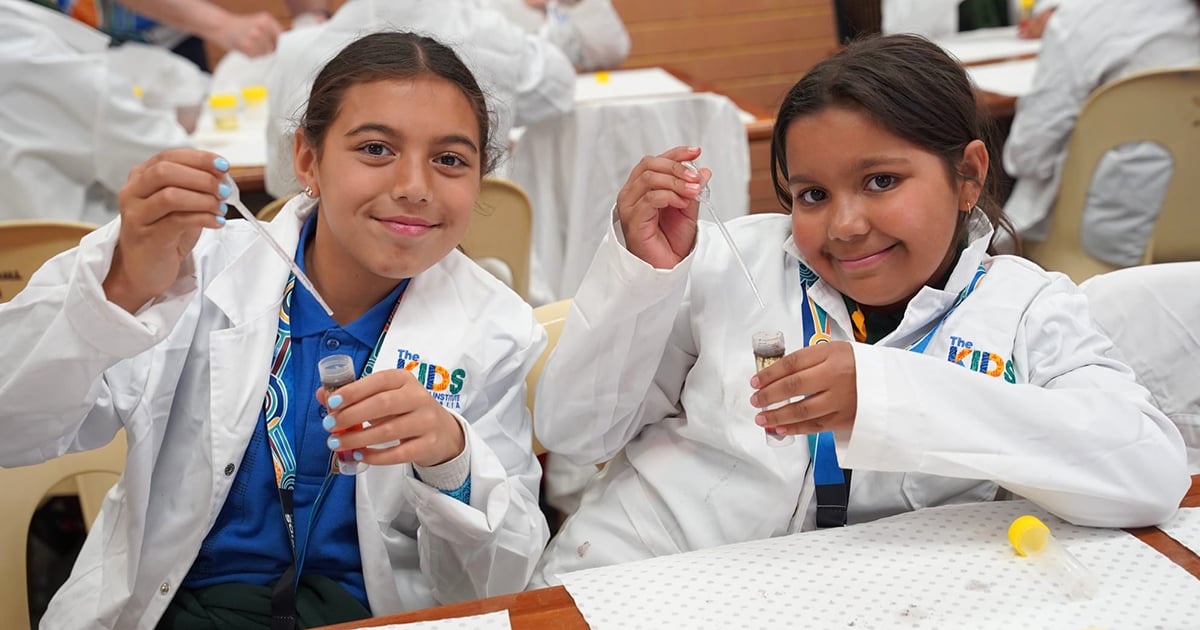
The Kids Research Institute Australia’s inaugural Kalgoorlie STEM Festival drew more than 600 children and was warmly embraced by the local community over two exciting days at Curtin University’s Graduates Hall.
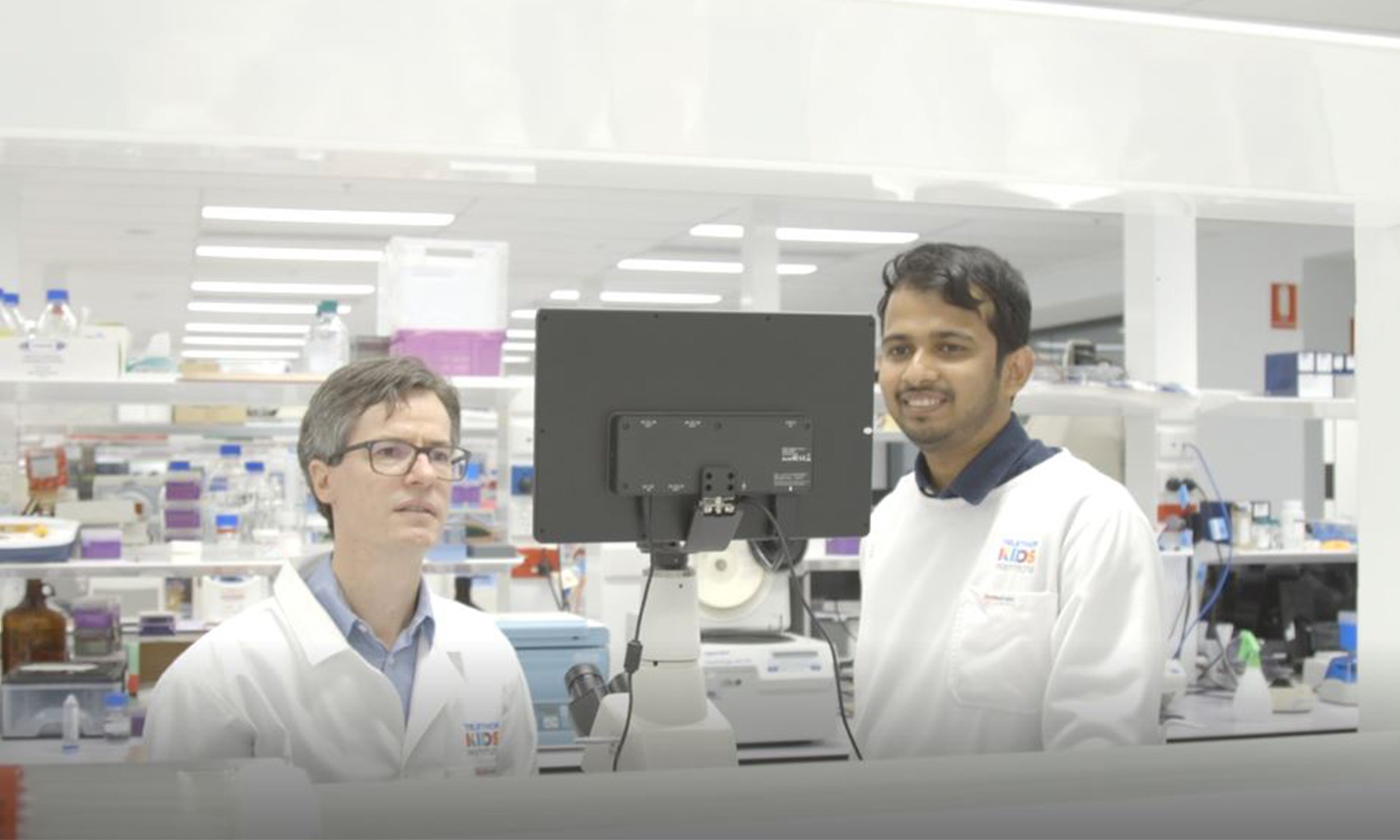
Vital research aiming to improve the treatment of potentially deadly Group A Streptococcus (Strep A) has been awarded $820,000 in the latest round of National Health and Medicine Research Council’s Ideas Grants.

Congratulations to Associate Professor Asha Bowen, who has been awarded the 2022 Frank Fenner Award for Advanced Research in Infectious Diseases.

Internationally-acclaimed Aboriginal researcher and clinician Professor Alex Brown will establish and lead a National Indigenous Genomics Consortium