Skip to content
The Kids Research Institute Australia logo
Donate

Search

Showing results for "1"

News & Events

Global presence

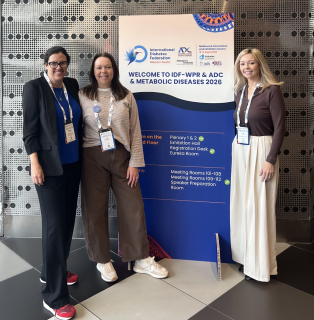
Over the past few months, our researchers have zig-zagged the globe to share their type 1 diabetes research at major scientific meetings and conferences.

News & Events

Meet Mike

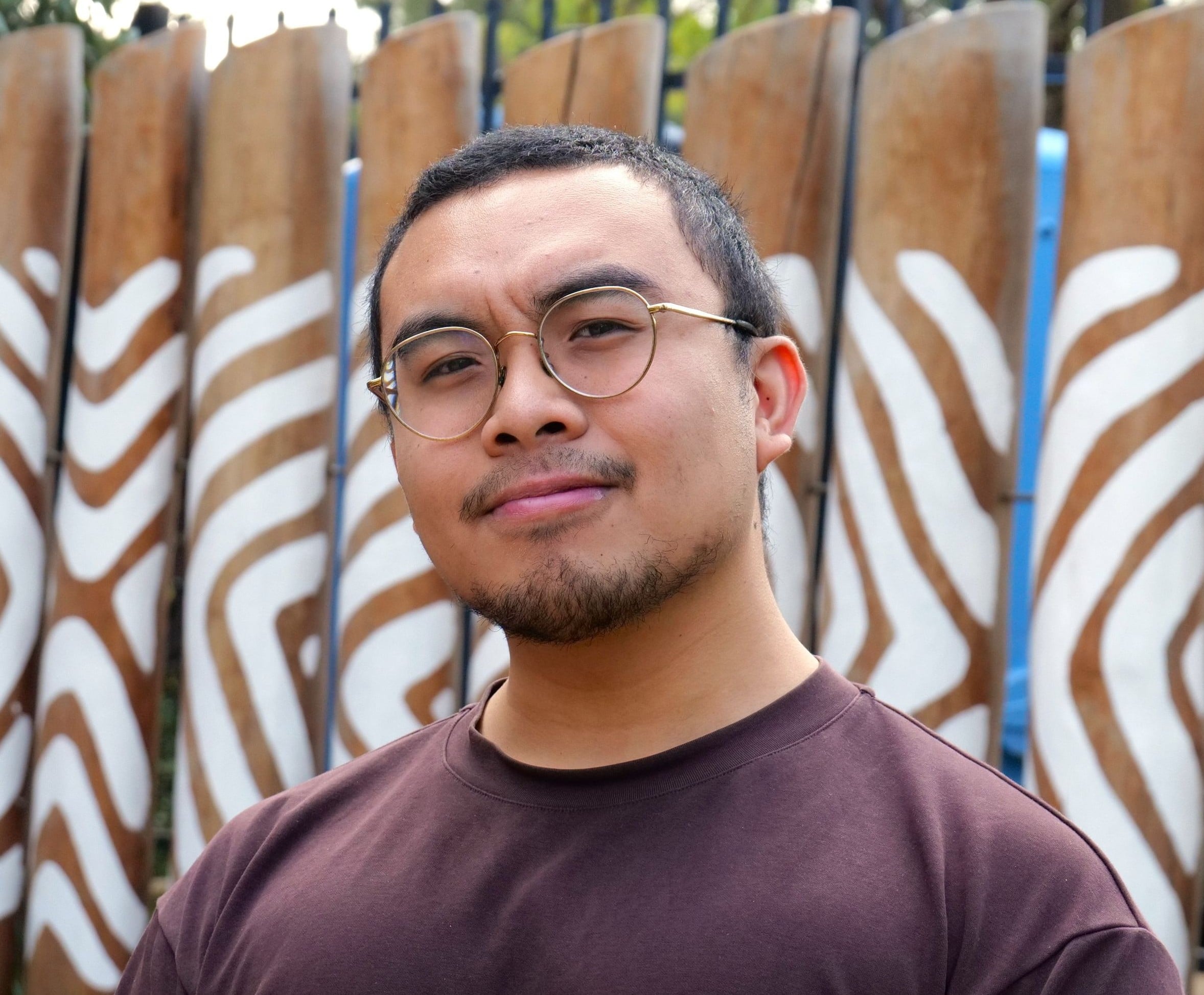
Meet Professor Mike Riddell. Mike is the co-founder of the Physical Activity and Diabetes Unit at York University in Toronto recently visited Perth to share his research on exercise and type 1 diabetes at the Children’s Diabetes Centre Community Forum.

News & Events

Check out our new patient folder

Check out our new and improved patient folder - a comprehensive resource to help families navigate a new type 1 diabetes diagnosis, now and into the future.

News & Events

Do you have the power?

Volunteers are needed for the upcoming camp for 11 and 12-year-olds living with Type 1 Diabetes.

News & Events

Smartphone donations

The Diabetes Research Team is requesting donations of old iPhones for a new study investigating the effect of real time CGM on every day diabetes management.

News & Events

Do you need more insulin for the protein and fat in your meal?

Current Type 1 Diabetes management guidelines recommend adjusting insulin doses for food based on the amount of carbohydrate eaten at each meal.

News & Events

Low Carbohydrate Diets

Carbohydrate restriction is used by some individuals with type 1 diabetes to reduce glucose excursions after eating a meal.

Senior Research Fellow, Children's Diabetes Centre

This role will be responsible for independently conducting research into the interaction between type 1 diabetes and exercise.

Research

Antigen reactivity defines tissue-resident memory and exhausted T cells in tumors

CD8+ T cells are an important weapon in the therapeutic armamentarium against cancer. While CD8+CD103+ T cells with a tissue-resident memory T (TRM) cell phenotype are associated with favorable prognoses, the tumor microenvironment also contains dysfunctional exhausted T (TEX) cells that exhibit a variety of TRM-like features.

Research

Histone methyltransferase PRDM9 promotes survival of drug-tolerant persister cells in glioblastoma

Chemotherapy often kills a large fraction of cancer cells but leaves behind a small population of drug-tolerant persister cells. These persister cells survive drug treatments through reversible, non-genetic mechanisms and cause tumour recurrence upon cessation of therapy. Here, we report a drug tolerance mechanism regulated by the germ-cell-specific H3K4 methyltransferase PRDM9.