
Search
Showing results for "Childhood interstitial lung disease "
Wesfarmers Centre of Vaccine and Infectious Diseases Research Seminar Series 2014.Genetic and functional studies of leishmaniasis: understanding the role of HLA
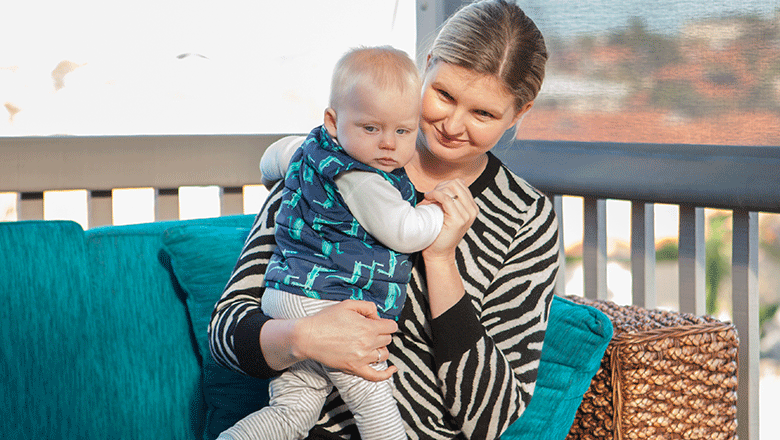
Western Australia's three largest medical research institutes have joined other institutes across the nation in support of enhanced public investment in health
An Australian-developed vaccine that's been trialed in Perth has been found to produce a strong immune response against the H5N1 bird flu virus.
Just under 150 Perth women have contributed to major international research at the Telethon Institute for Child Health Research.

We invite all Supply Partners to make us their Corporate Social Responsibility (CSR) partner in Western Australia.
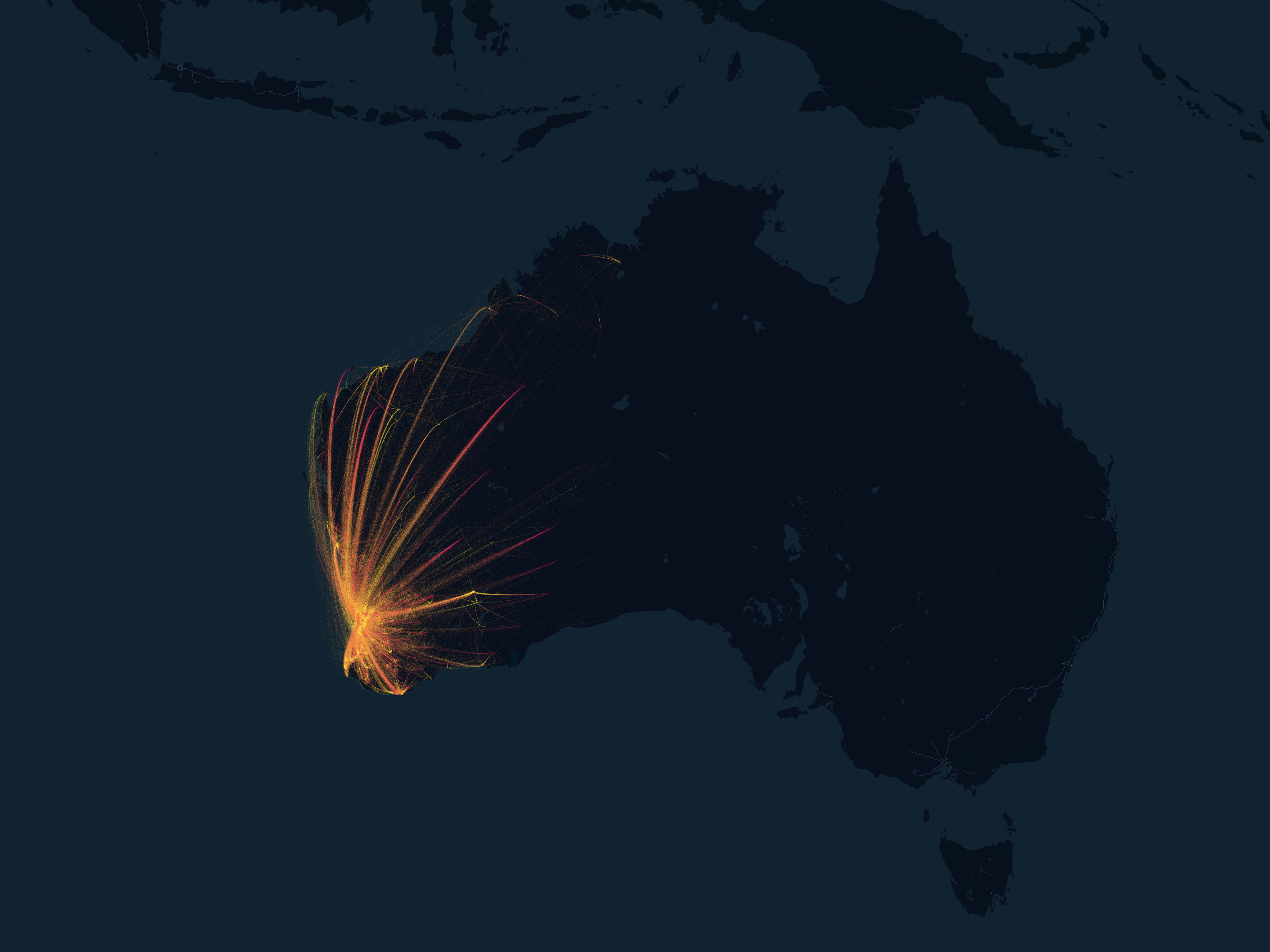
Researchers have developed a new model for simulating covid-19 outbreaks in Western Australia.
Kefyalew Alene BSc, MPH, PhD Head, Geospatial and Tuberculosis 0404705064 Kefyalew.alene@thekids.org.au Honorary Research Fellow Dr Kefyalew Alene
Asha John Jonathan Marianne Bowen Jacky Carapetis AM Mullane BA MBBS DCH FRACP PhD GAICD FAHMS OAM AM MBBS FRACP FAFPHM PhD FAHMS BSc (OT) Head,
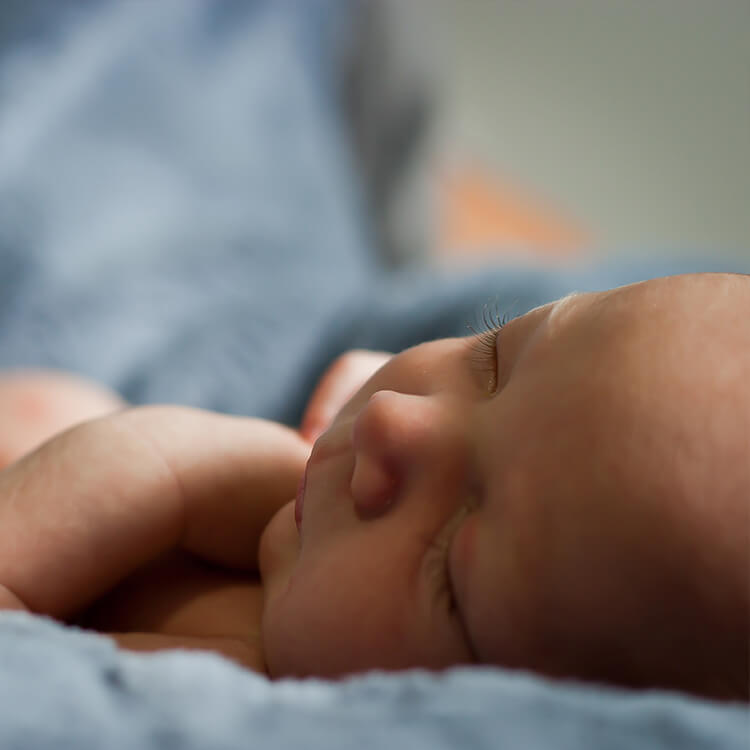
Perth researchers who were involved in an international study which examined two different techniques used to intubate newborns and young babies during surgery expect the findings to lead to a change in global practice.
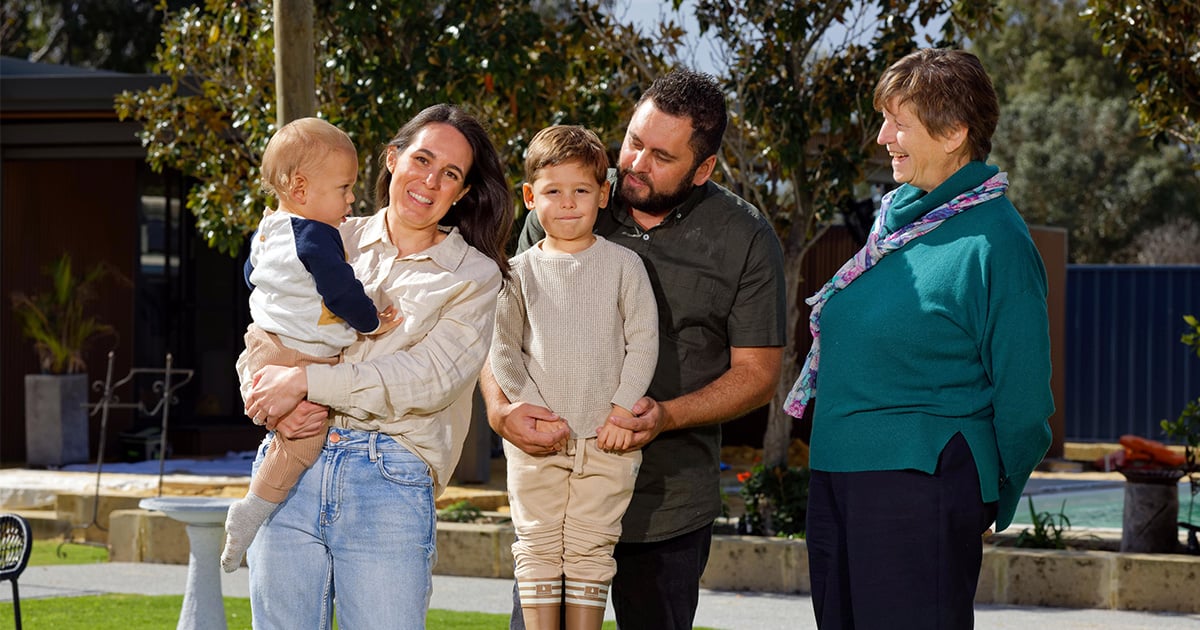
CIRCA DIEM is using an inexpensive set of eye masks and ear plugs to teach babies born too soon how to tell the difference between night and day – a simple skill which could have lifelong implications for their health and development.