
Search
Showing results for "Childhood interstitial lung disease "
Asthma exacerbations are associated with human rhinovirus (HRV) infections, and more severe exacerbations are associated with HRV-C.
The global spread of the 2009 novel pandemic influenza A (H1N1) virus led to the accelerated production and distribution of monovalent 2009 Influenza A...
In summary, UV-BMDCs do not express the classical phenotypic or gene expression properties of DCs reported by others as 'regulatory' or 'tolerogenic'.
Group A Streptococcus (GAS) M protein is an important virulence factor and potential vaccine antigen, and constitutes the basis for strain typing (emm-typing).
Injection of BM-differentiated DCs from nonchimeric mice restored the reduced immune responses of PGE2-chimeric mice.
In adults, the unpredictability of voriconazole pharmacokinetics, particularly in those patients receiving chemotherapy, is well recognised. A paucity of...
Group B streptococcus (GBS) is an important cause of early- and late-onset sepsis in the newborn. Preterm infants have markedly increased susceptibility...

New research has revealed that molecular point-of-care testing (POCT) can significantly improve detection of Group A Streptococcal (Strep A) pharyngitis compared to laboratory culture – particularly in remote communities, where results can take up to seven days – unlocking a major opportunity to prevent rheumatic

WA researchers hope to gain new insights into the way immune cells in the body trigger attacks of multiple sclerosis (MS), thanks to new funding from MS Australia.
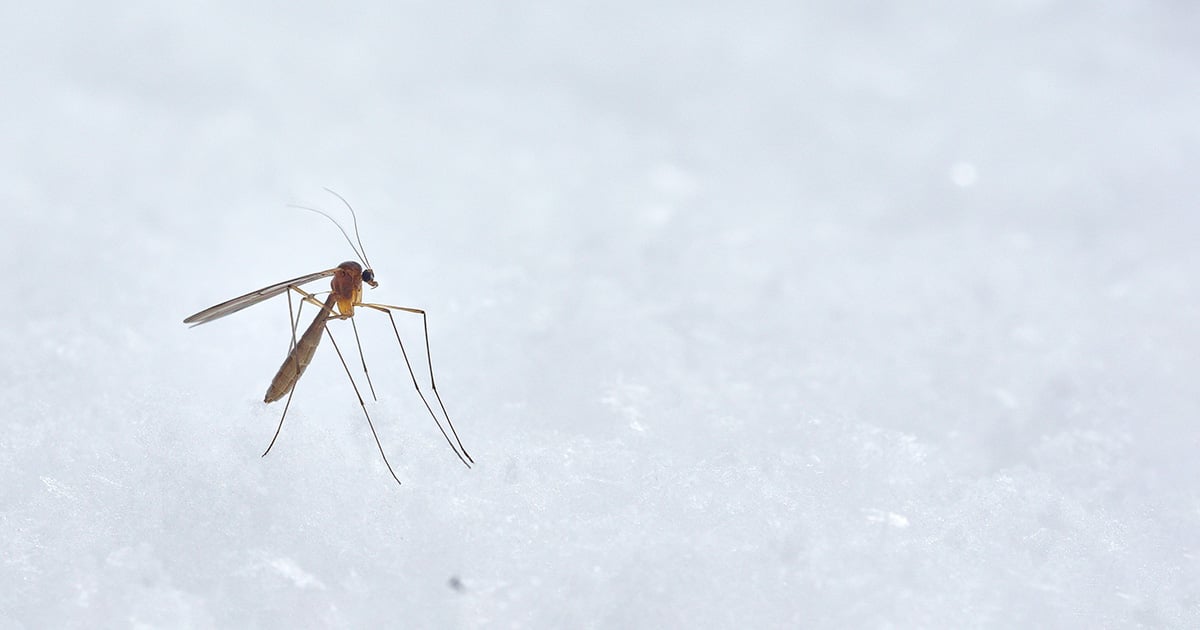
Disruptions of malaria case management caused by the COVID-19 pandemic likely contributed to an extra 76,000 malaria deaths in sub-Saharan Africa, according to analysis by The Kids Research Institute Australia and Curtin University.