
Search
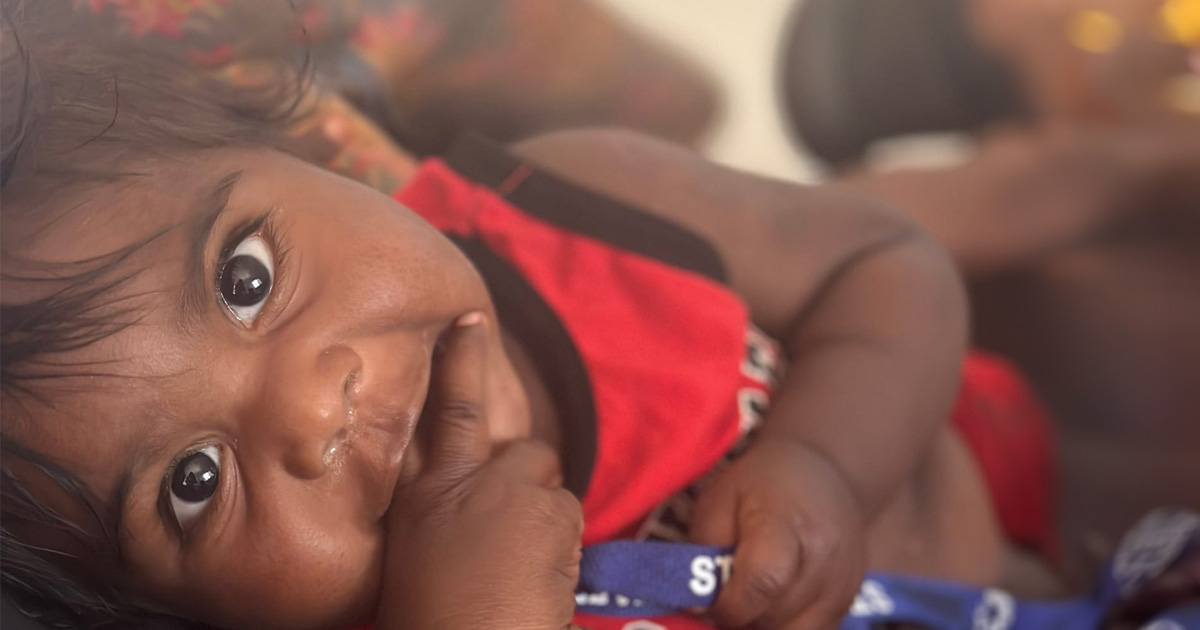
Born two weeks early, six-month-old Braxton Lewis’ entry to the world could have been vastly different if not for a service dedicated to improving pregnancy outcomes for Aboriginal women in WA’s East Pilbara.
Stay up to date with the latest news with Journey Together.
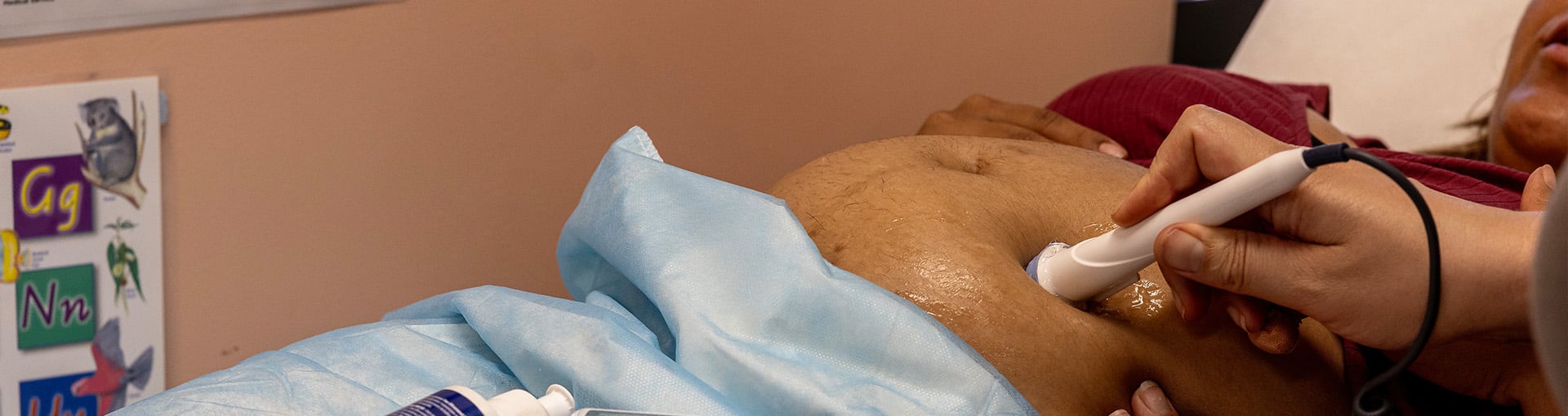
For pregnant Aboriginal women living in WA’s East Pilbara, significant issues systematically impede their pregnancy journey and a safe and healthy start to life for their babies.
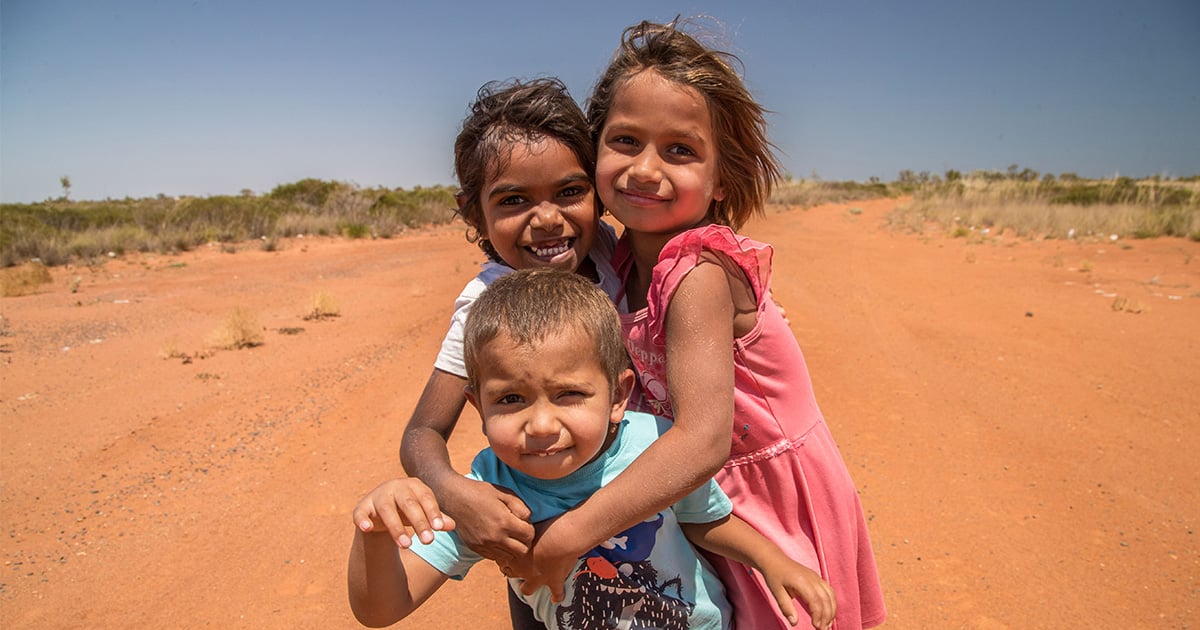
Early in the consultation phase of the project, local Elders through Hedland Aboriginal Strong Leaders, education representatives and others identified that vulnerable families needed help navigating and accessing local support services that were already available in Port Hedland.

The impact of familial and childhood health conditions on health later in life.

This study is aiming to investigate how sun exposure and time outside impacts the health of your child’s eye and eye growth, over a period of rapid growth in their lives.

We know it isn't always easy to sneak meat and vegetables into fussy kids' diets - so we've compiled our favourite iron-rich recipes your kids will be begging you to make again!
The Bayley Scales of Infant and Toddler Development are widely used to assess early development, yet evidence for inter-rater reliability in multidisciplinary contexts remains limited. This study evaluated inter-rater reliability and agreement of the newest edition, Bayley-4, at age two years when administered by a multidisciplinary allied health team within a longitudinal cohort.
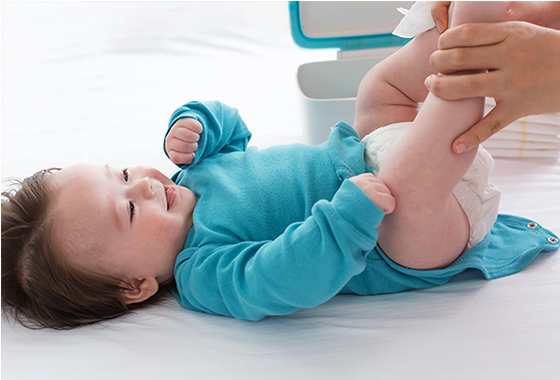
In this blog, Speech Pathology Clinical Lead Aria May and Occupational Therapy Clinical Lead Marie Rodatz share their top tips for making the most of nappy changes to help create more opportunities for connection.
Acute rheumatic fever (ARF) and rheumatic heart disease (RHD) are prevalent among First Nations peoples in Australia. In Western Australia (WA), notification of ARF and RHD to the WA RHD register is mandatory and supports follow-up care. However, previous studies from rural WA have reported incomplete notification, suggesting gaps in surveillance and hospital-registry linkage.