
Search
Showing results for "Childhood interstitial lung disease "
Shelley Prue Gorman Hart BSc (Hons) PhD BSc (Hons) MSc PhD Honorary Research Associate Honorary Research Fellow shelley.gorman@thekids.org.au
The Mental Health Commission (MHC) of Western Australia has provided funding to The Kids Research Institute Australia to undertake exploratory research to inform a WA approach to aftercare.
Valerie Verhasselt MD, PhD Head, Immunology and Breastfeeding 0402997617 Valerie.verhasselt@thekids.org.au Head, Immunology and Breastfeeding @
Raelene Nick Endersby Gottardo BSc (Hons) PhD MBChB FRACP PhD Brainchild Fellow; Co-Head, Brain Tumour Research Head of Paediatric and Adolescent
Pediculosis capitis is a worldwide prevalent public health issue, mostly involving children. Resistance has been increasingly identified with conventional treatments such as permethrin or malathion. We aimed to evaluate the therapeutic potential of plant-based therapies for pediculosis capitis. PubMed, MEDLINE, Embase, EmCare, Web of Science, Cochrane, and ScienceDirect were searched for studies.
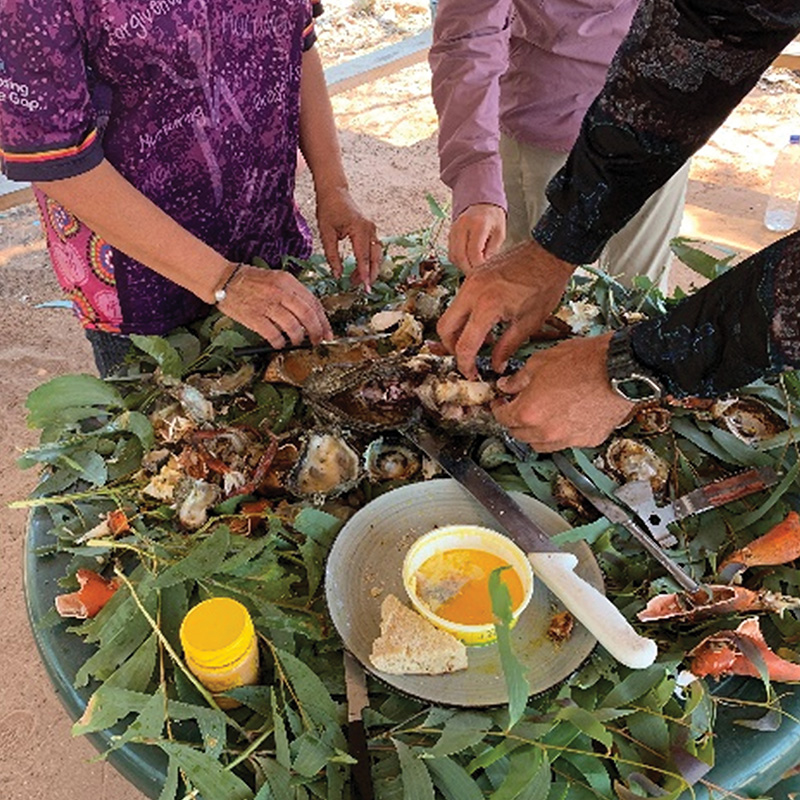
Researchers are collaborating with Community Elders to find out how bush tucker and traditional food can improve the health of Aboriginal children.
Ultraviolet radiation is the leading preventable cause of skin cancer, and early-life exposure increases long-term risk. Despite this, guidelines on sun protection for children and young people are inconsistent.
In Australia, Aboriginal children experience disproportionate rates of type 2 diabetes (T2D) compared with non-Aboriginal children. The aim of this qualitative study was to explore the experiences of Aboriginal adolescents with T2D and their family members to better understand the influences of T2D on self-management, with findings used to inform an enhanced service model of care.
Premature onset of type 2 diabetes and excess mortality are critical issues internationally, particularly in Indigenous populations. There is an urgent need for developmentally appropriate and culturally safe models of care. We describe the methods for the codesign, implementation and evaluation of enhanced models of care with Aboriginal and Torres Strait Islander youth living with type 2 diabetes across Northern Australia.
Alcohol related harms disproportionately affect Aboriginal people in Australia. Motives to drink have been identified as the most proximal factor to alcohol consumption.The aim of this study is to assess the validity of a culturally modified Drinking Motives Questionnaire-Revised (DMQ-R) (Cooper, 1994) with Aboriginal participants. The study was cross sectional, utilising data collected via face-to-face surveys with a sample of adult Aboriginal participants.