
Search
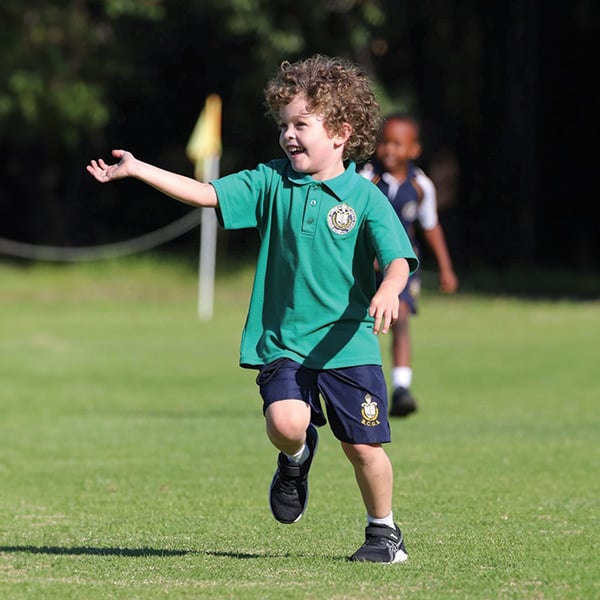
COMBAT CF is one of two long-standing international trials which have resulted in new early intervention options helping to reduce progressive lung damage in kids living with CF.
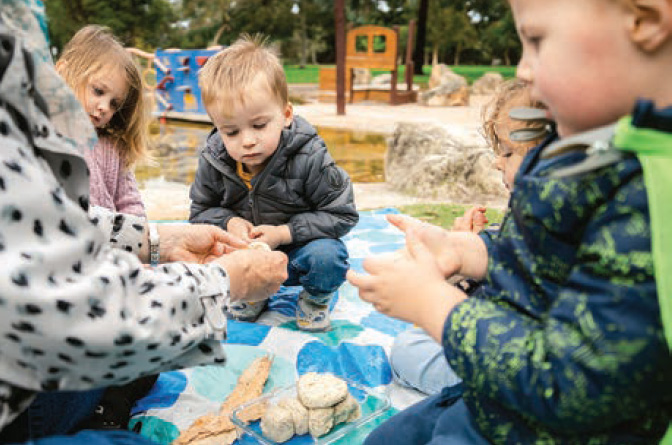
The ORIGINS Project is a decade-long longitudinal study of more than 18,000 individuals including mothers, partners and children, as part of a collaboration between The Kids Research Institute Australia and Joondalup Health Campus.
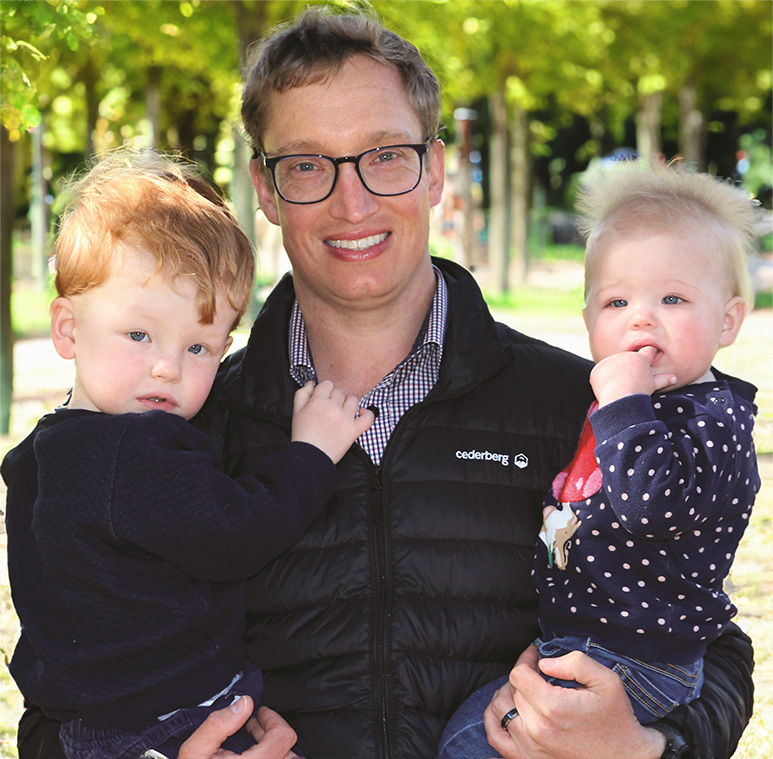
New dads can feel undervalued and face significant health and mental health risks following the birth of a child, according to new research that has prompted a rethink about how to address the often-unmet needs of fathers.
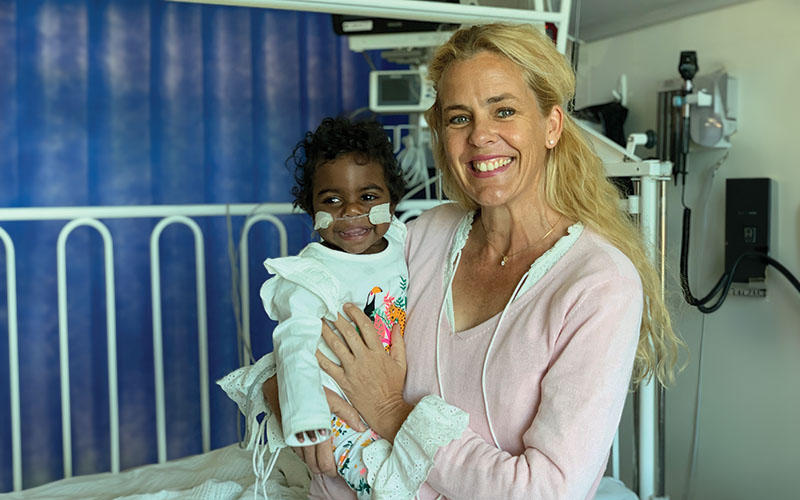
Culturally secure intervention to facilitate medical follow up for Aboriginal children, after being hospitalised with chest infections, have proven to improve long-term lung health outcomes.
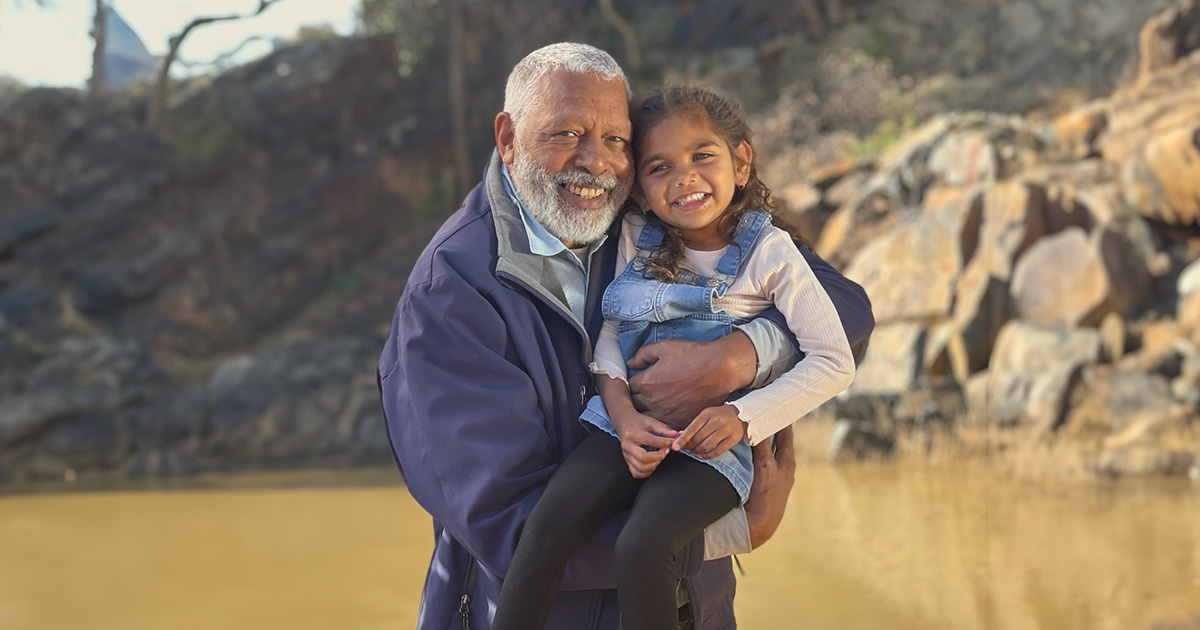
A public health campaign to raise awareness about the dangers of chronic wet cough in Aboriginal children is helping to improve detection, diagnosis and management of the condition.
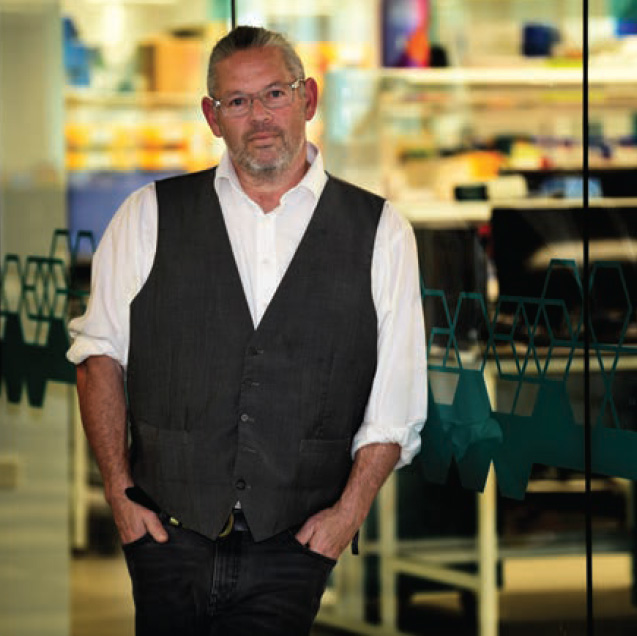
Scientific discoveries over the past 30 years mean doctors now have a deeper understanding of what causes disease and how those diseases might progress.
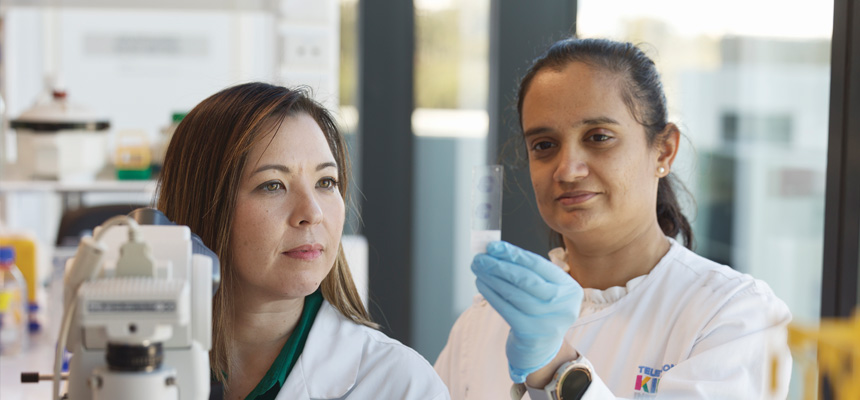
The WA Kids Cancer Centre has a suite of world-leading research projects to unlock new treatments for childhood cancers.
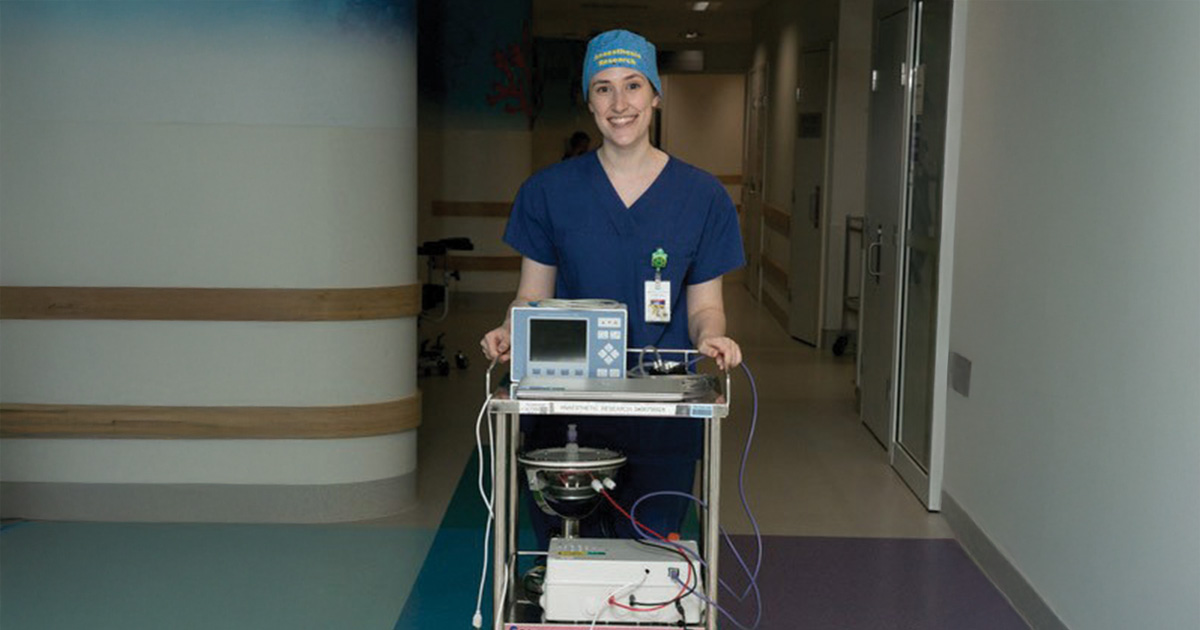
When kids are having surgery, the most common problem that can occur during anaesthesia is a respiratory adverse event.
A Kimberley study seeking to better understand Strep A in remote settings is helping to guide new approaches to prevent acute rheumatic fever (ARF) – an auto-immune response that typically begins with a sore throat and causes high fever, tiredness and swollen joints.
Healthy skin is a vital factor in the fight against life-threatening conditions like sepsis, heart disease and kidney disease, all of which can be caused by the bacteria Strep A.