Our aim is for all kids to have strong, healthy skin.
Through science, community driven action, and a focus on health equity, especially for Aboriginal children, we work to reduce the burden of Strep A skin sores and sore throats to prevent acute rheumatic fever. We know that Strong Skin leads to Strong Kids and Strong Communities.
The skin is the body’s largest and only externally visible organ.
The skin protects the inner workings of the body. Healthy skin is essential for maintaining overall health and well-being. Itchy skin infections such as scabies, tinea, headlice and eczema can cause breaks in the skin, facilitating the entry of bacteria including Streptococcus pyogenes (Strep A) and Staphylococcus aureus. This can lead to the development of skin sores and boils. When left untreated, these conditions can progress to life-threatening complications such as sepsis, bone and joint infections, acute post-streptococcal glomerulonephritis (APSGN) and acute rheumatic fever (ARF), the precursor to rheumatic heart disease (RHD).
Current research shows skin infections affect more than 162 million children around the world at any one time, with the highest numbers in the Pacific, Asia, and Africa. In Australia, nearly half of remote living Aboriginal children experience a skin sore at any one time, by far the highest rate in the world. We are also working to better understand how much of a problem skin sores are for urban living Aboriginal children.
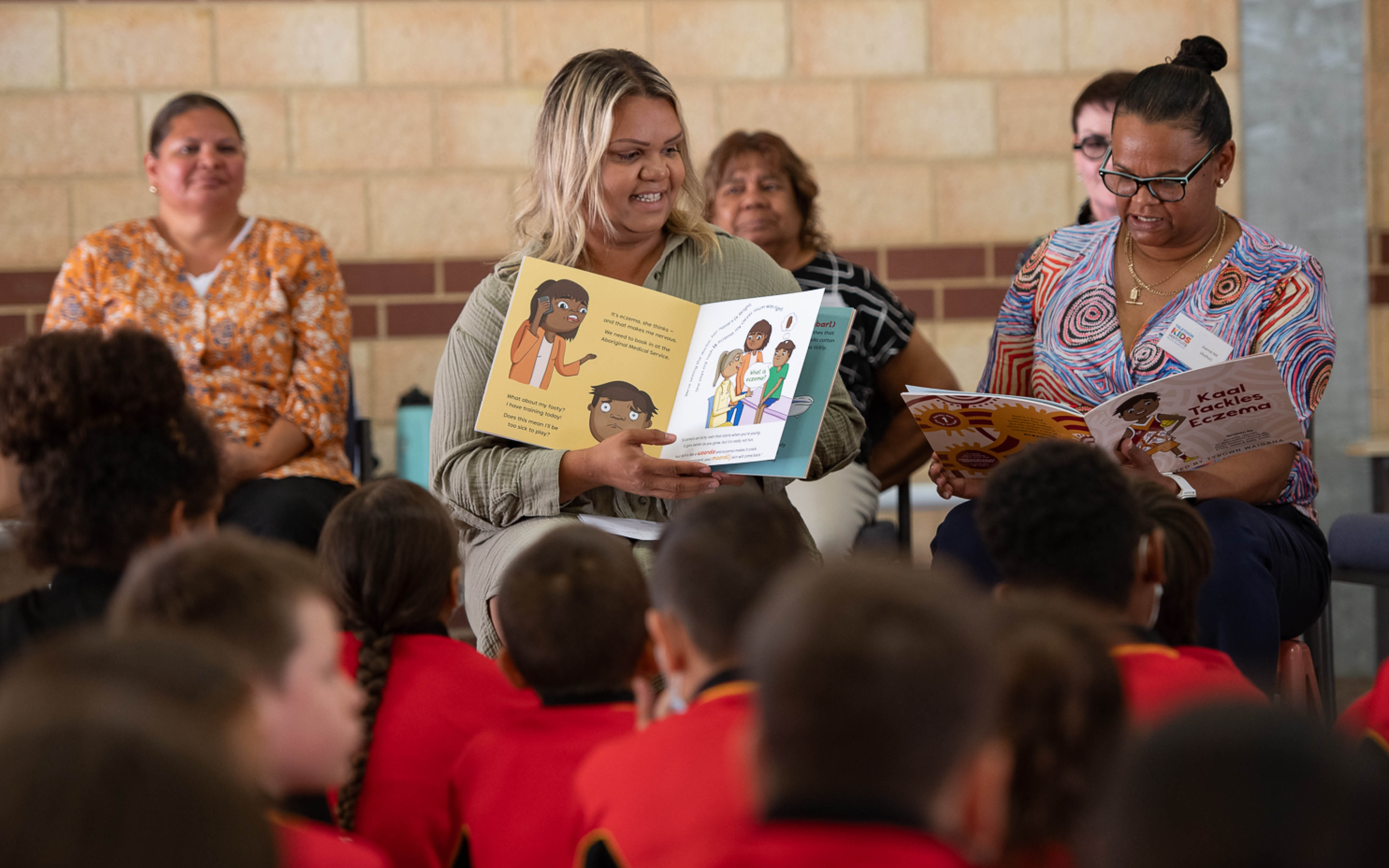
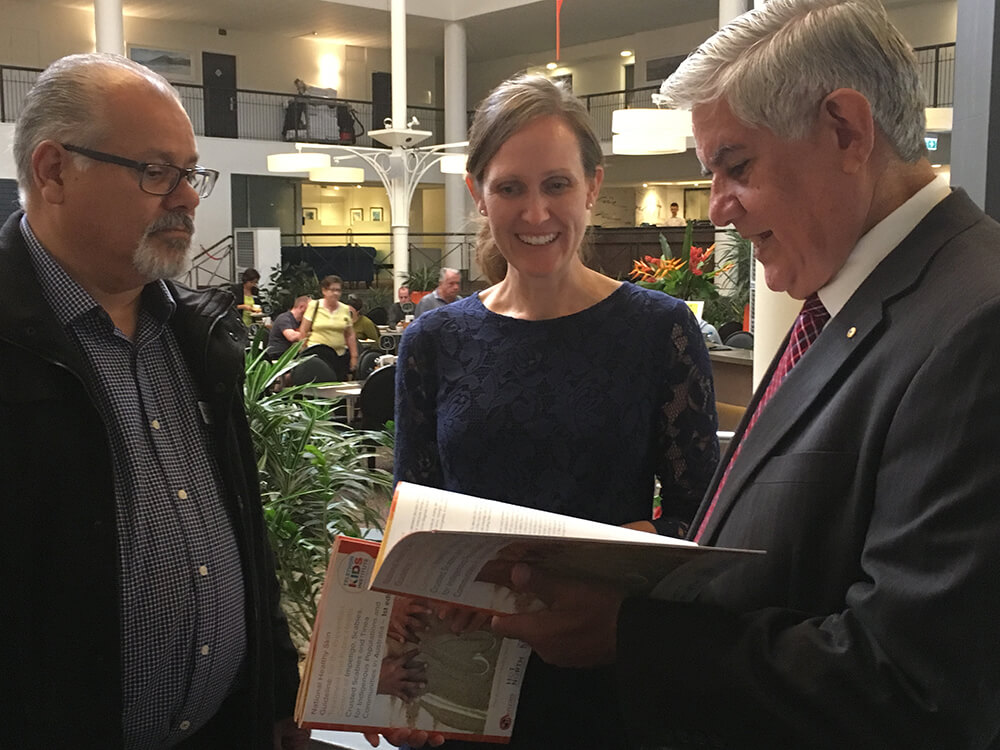
Through partnering with communities and yarning with families, we've identified key priorities to improve the skin health of children. One challenge that we have identified is that skin infections, despite being so common, are often overlooked or untreated. Drawing on the strengths of community, we co-develop culturally informed health promotion tools such as storybooks in local languages and hip-hop videos. These resources help families and clinicians recognise problematic skin conditions and understand how to access treatment. Explore the resources.
Our work focusses on Western Australia and extends nationally and globally. Ultimately, we’re working to improve skin health for children through prevention, early detection, and community-led, data-driven research for strong skin.