
Search
Showing results for "Childhood interstitial lung disease "
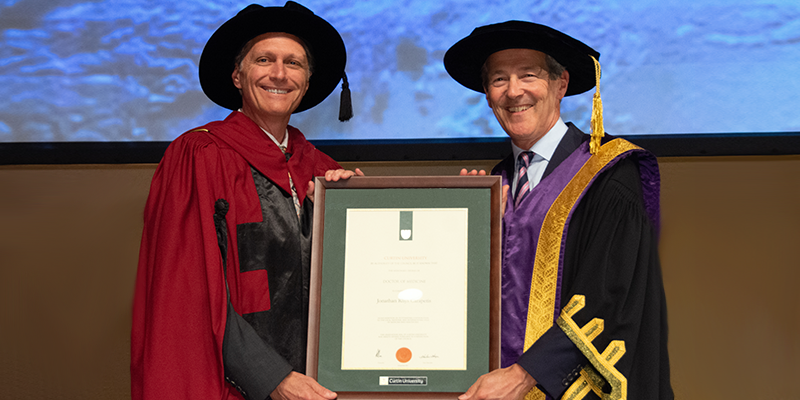
The Kids Research Institute Australia Director Professor Jonathan Carapetis AM has been made an Honorary Doctor of Medicine by Curtin University in recognition of his outstanding contribution to the local, national and international field of medicine and healthcare.
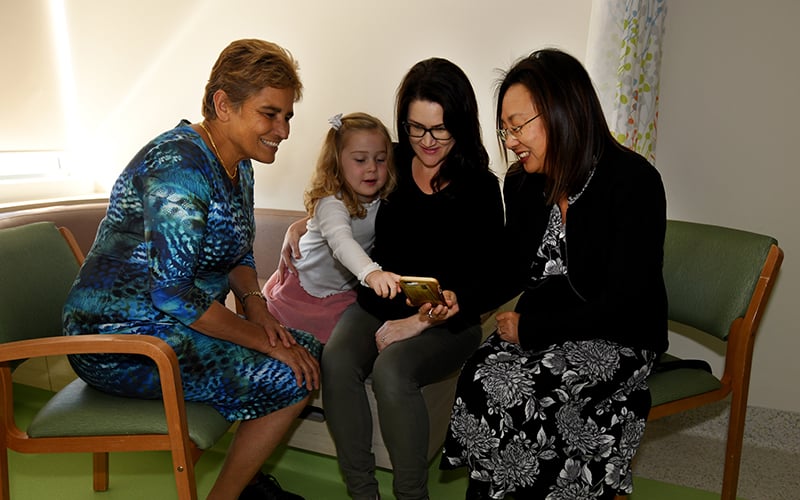
A new evidence-based app designed to support pregnant women to live a healthy lifestyle and give their baby the best start has been launched by The Kids Research Institute Australia and the Joondalup Health Campus
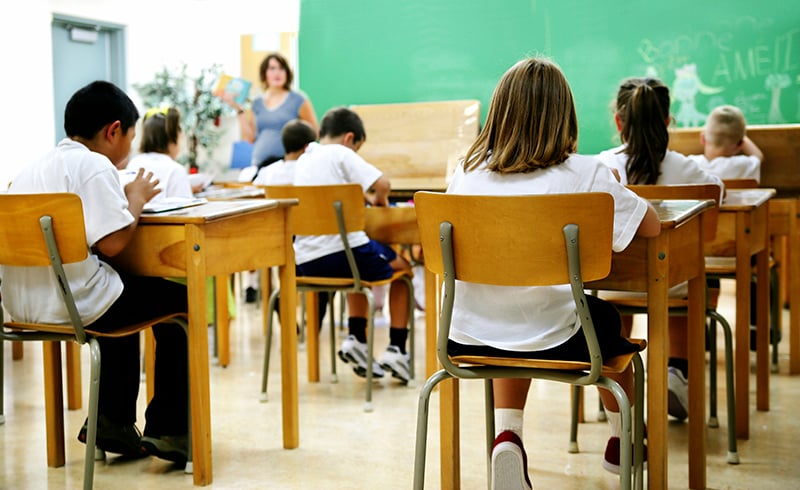
Schools are issuing restrictions around attendance after travel overseas due to coronavirus. Here's how to prepare your kids against the spread of infectious disease on their return to school.
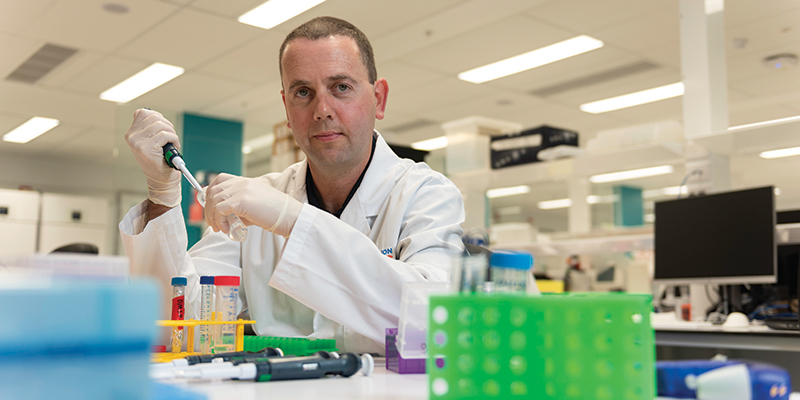
Cancer research is being reimagined after a collaboration between The Kids Research Institute Australia, the Peter Doherty Institute for Infection and Immunity.
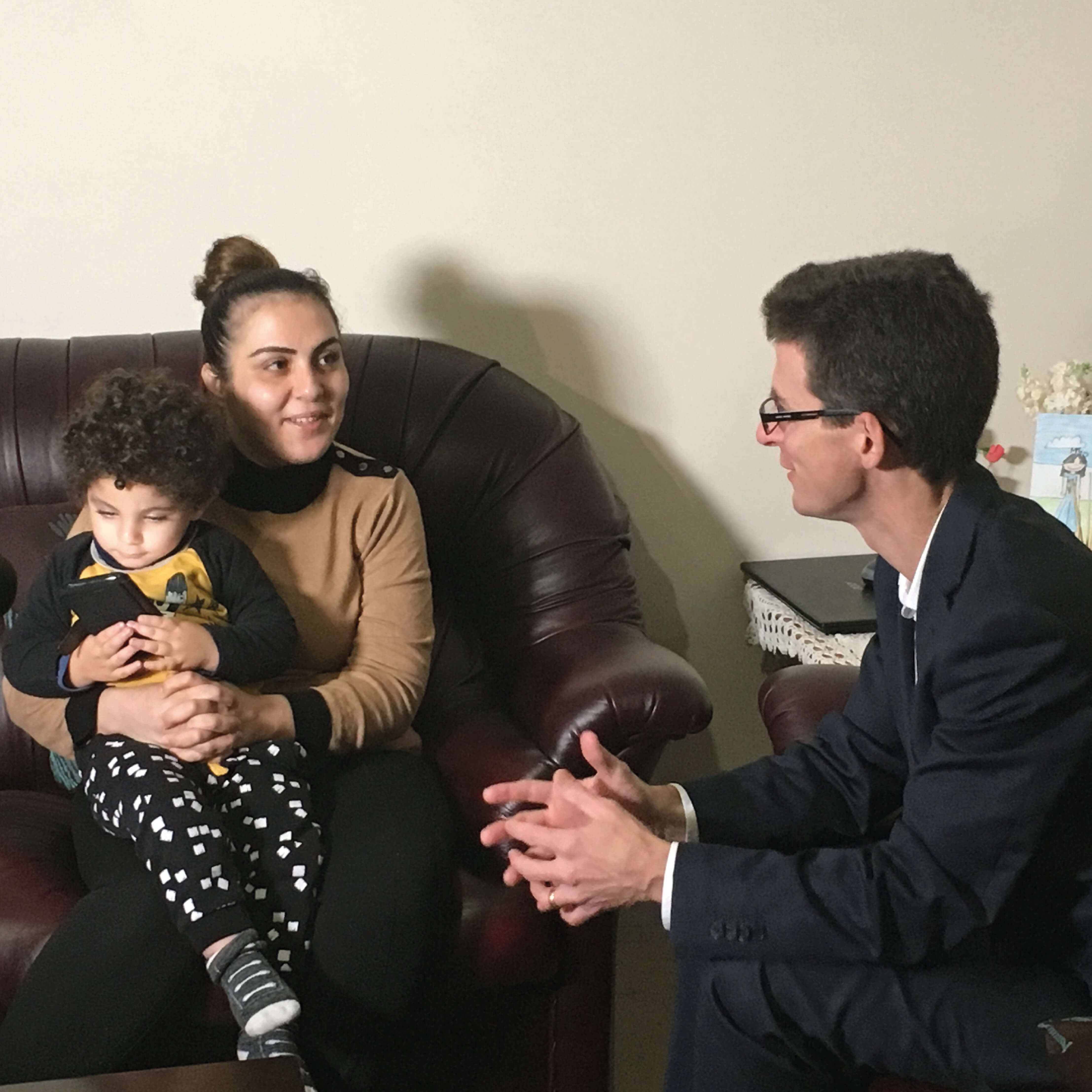
Perth parents are underestimating the serious consequences of the flu, with only 19 per cent of children under five years of age currently immunized against the virus ahead of the peak winter flu season.
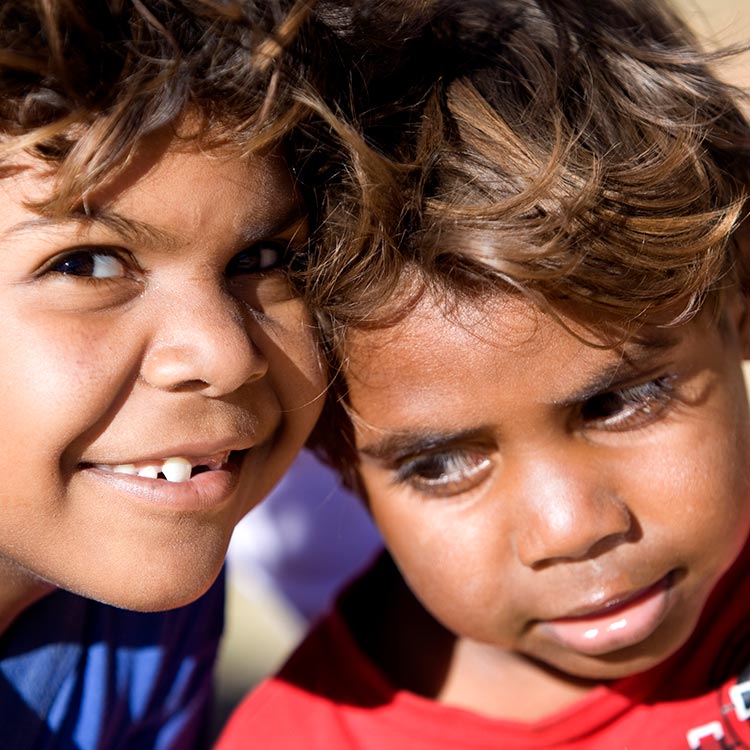
A $6 million commitment from Wesfarmers to Telethon will fund vital research to reduce the impact of chronic ear infections and other serious diseases.

The Kids Research Institute Australia researchers have confirmed that skin infections in many Aboriginal children across northern Western Australia are going unrecognised.
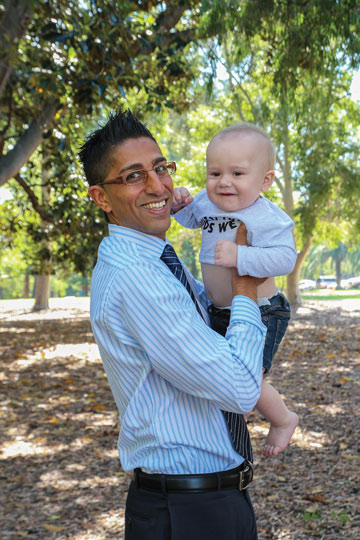
Dr Rishi Kotecha knows too well the devastation of a leukaemia diagnosis in a child, treating children as a consultant at Princess Margaret Hospital.
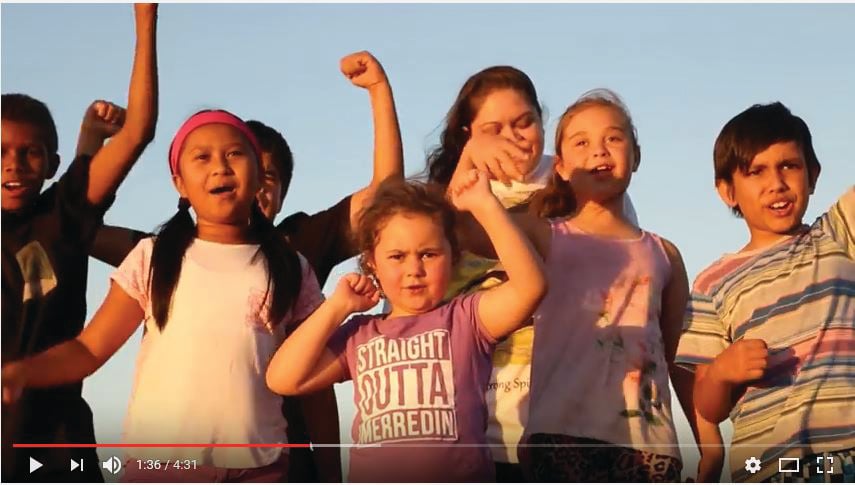
An innovative program set to run for about two and a half years aims to halve the number of children affected by skin infections.
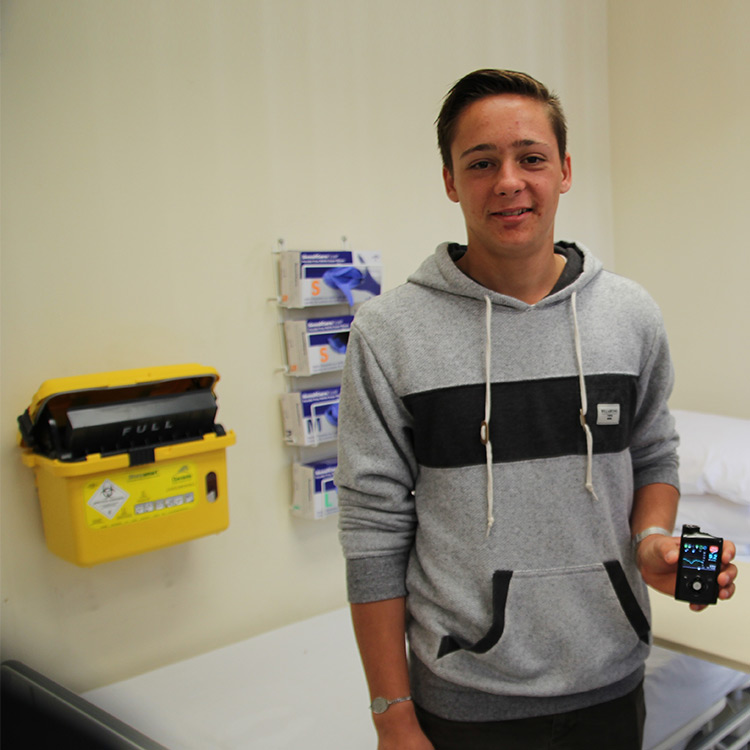
The Children’s Diabetes Centre at The Kids Research Institute Australia is leading the longest and largest at-home trial of a hybrid closed-loop insulin pump system.