

Did you know that we now have a 'triage' section on the DiabHQ app with useful documents and a FAQs page.
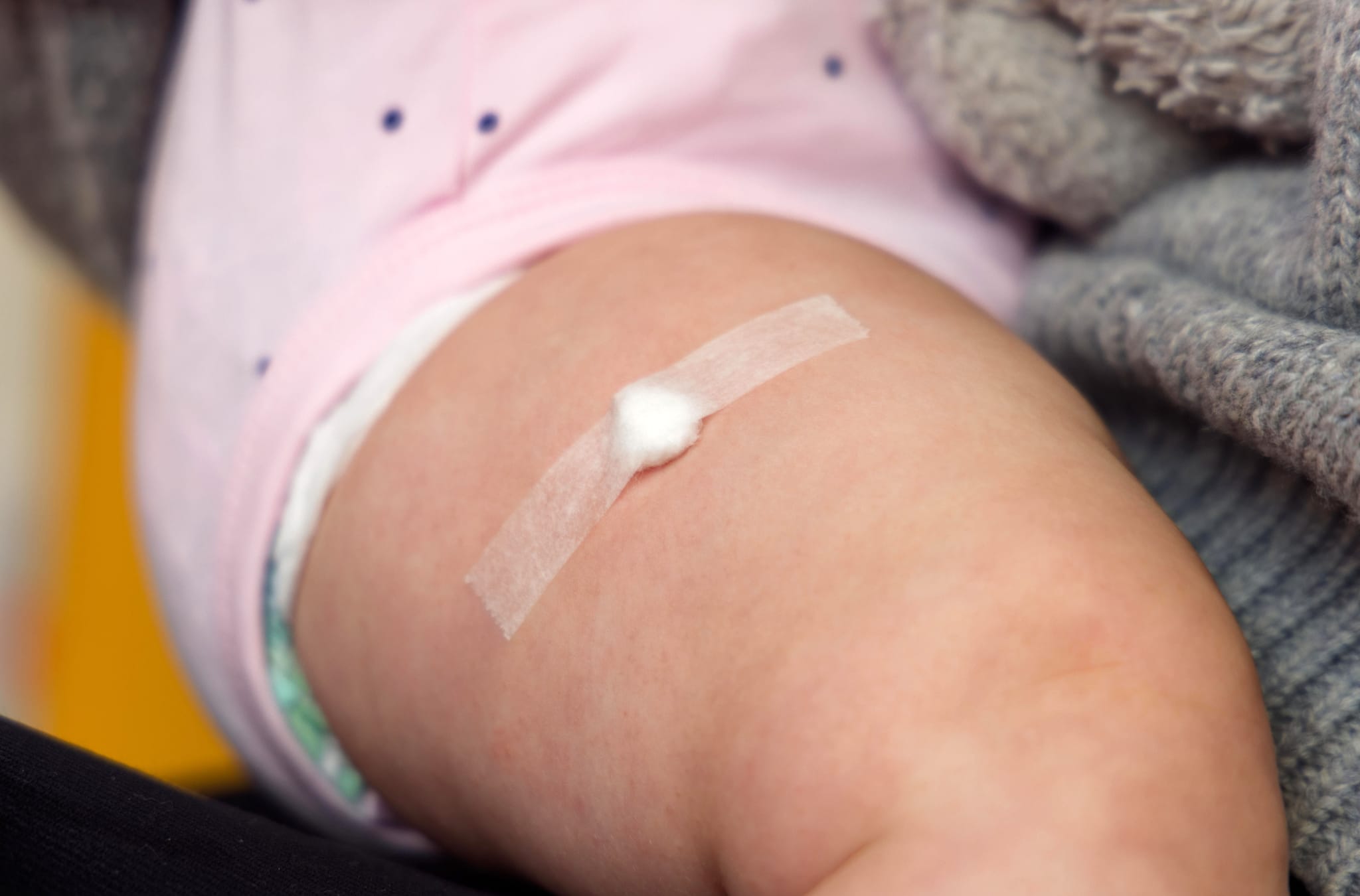
10,000 families participating in research by The Kids Research Institute Australia have demonstrated the effectiveness of a simple text message for i…
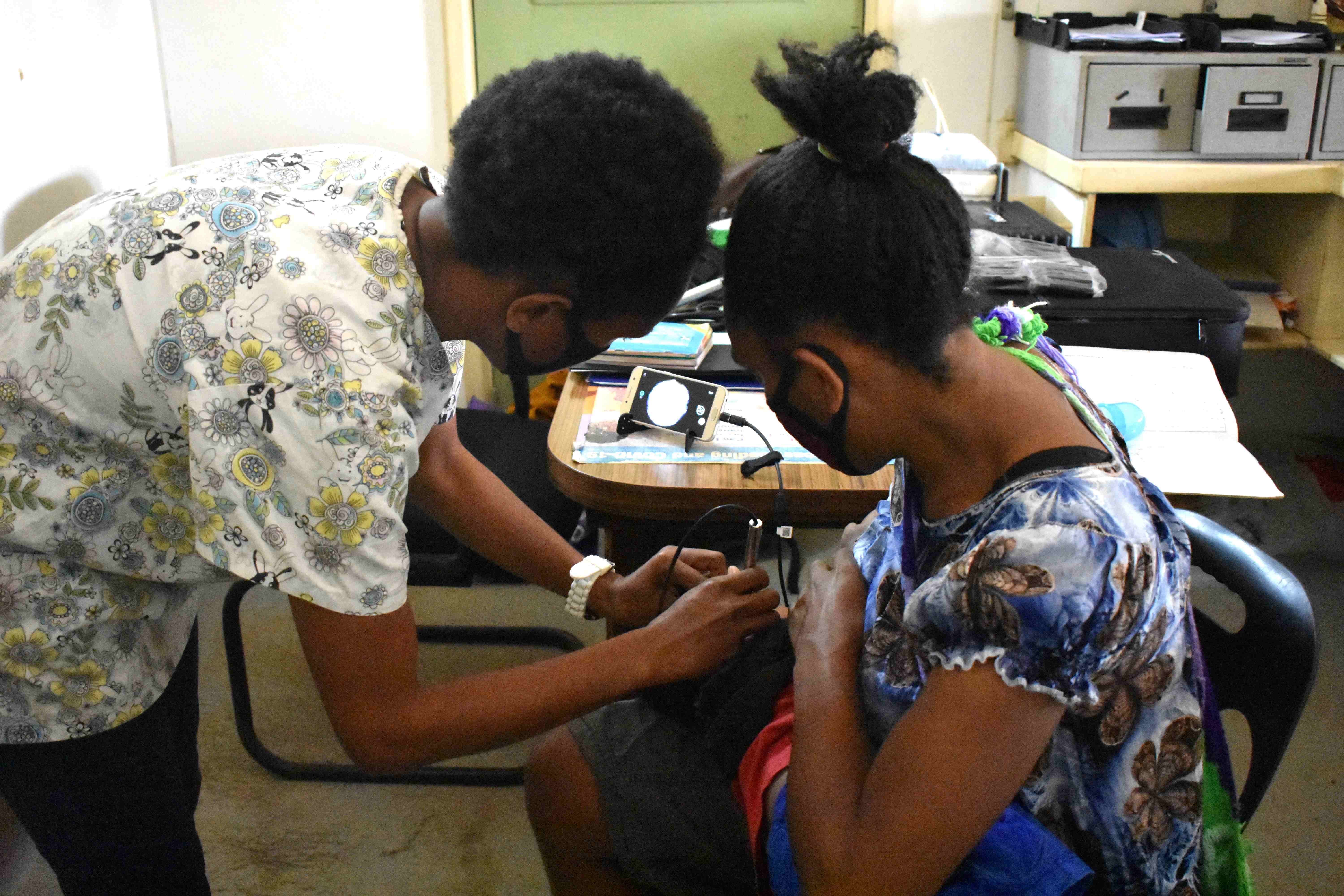
The first ever comprehensive study to estimate the prevalence of otitis media (OM) in Papua New Guinea (PNG) has revealed some of the world’s highest…
Following the successful launch of the DiabHQ mobile app last November, we're now moving into the exciting next phase and need your voice.
This lived experience-led scoping review explores the evidence base related to eating disorders/disordered eating behaviours in Autistic trans and ge…
Passing is a contentious issue within the trans community. Some trans people strive to pass as cisgender as an inherent goal or to reduce dysphoria,…
Parents and caregivers play a critical role in the care of their child peri-operatively. Our team undertook previous research with parents/carers, wh…
Malaria is a focal disease and more localized in low endemic areas. The disease is increasingly becoming a concern in urban areas in most sub-Saharan…