
Search
Showing results for "Childhood interstitial lung disease "
The transcriptome represents the entire set of RNA transcripts expressed in a cell, reflecting both the underlying genetic and epigenetic landscape and environmental influences, providing a comprehensive view of functional cellular states at any given time. Recent technological advances now enable the study of the transcriptome at the resolution of individual cells, providing exciting opportunities to characterise cellular and molecular events that underpin immune-medicated diseases.
This article discusses the World Health Organization program for monitoring & managing rheumatic heart disease.
This chapter describes the epidemiology, pathogenesis, clinical manifestations, diagnostic criteria, and management principles of acute rheumatic fever.
Multiple sclerosis is rare in tropical areas, but quite common in developed countries.

Klair Bayley knew her son Logan would eventually need a wheelchair.
Epidemioloyg infectious disease
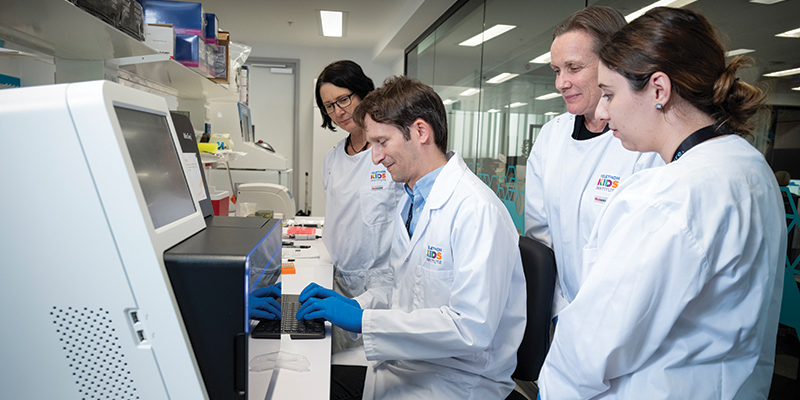
The Kids Research Institute Australia researchers are at the forefront of rapid improvements in the diagnosis of rare diseases.
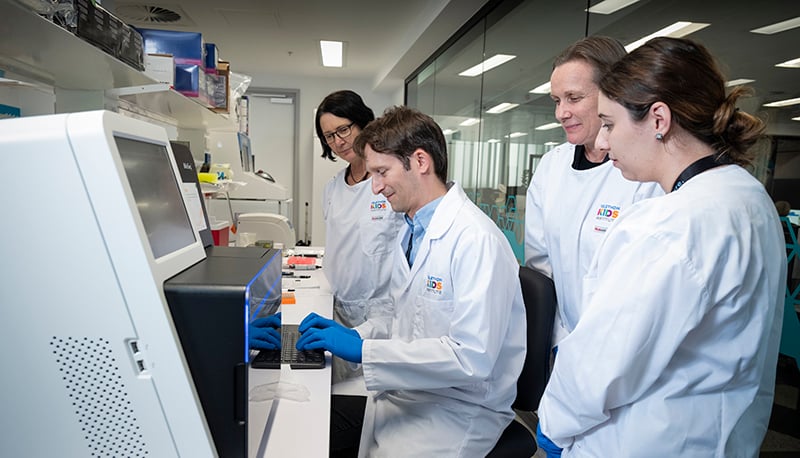
Researchers at The Kids Research Institute Australia working to provide confident diagnoses for children suffering from rare diseases have created a new computer algorithm to help pinpoint the mutations responsible for the conditions.
Hear the facts about vaccination and infectious disease from some of Australia's leading experts: Professor Jonathan Carapetis, Dr Peter Richmond
Children with adverse childhood experiences (ACEs) can have difficulty adapting to the school context and may therefore be more likely to be suspended. We examined the association between ACEs and suspensions using linked administrative data on children born in Western Australia from July 2003–June 2004.