
Search
Showing results for "autism"
Amy Andrew Carol Jacinta Videos Finlay-Jones Whitehouse Watch and listen to Andrew Bower Freeman BPsych(Hons), MPsych(Clinical), MHealthEcon, PhD (

Honorary Research Associate
Mycobacteroides abscessus (MABS) is within the non-tuberculous mycobacteria family. It inhabits soil and water, exhibits multi-antibiotic resistance and causes opportunistic lung infections, which may progress to symptomatic MABS-pulmonary disease (MABS-PD) associated with substantial morbidity, increased healthcare utilisation, impaired quality of life and increased mortality.
Children with intellectual disabilities are more likely to experience sleep disorders of insomnia, excessive daytime sleepiness and sleep breathing disorders than typically developing children. The present study examined risk factors for these sleep disorders in 447 children (aged 5-18 years), diagnosed with an intellectual disability and comorbid autism spectrum disorder, cerebral palsy, Down syndrome or Rett syndrome. Primary caregivers reported on their child's sleep using the Sleep Disturbance Scale for Children (SDSC), as well as medical comorbidities and functional abilities.
Amy Andrew Carol Deborah Gail Helen Jenny Kandice Martyn Videos Finlay-Jones Whitehouse Watch and listen to Andrew Bower Strickland Alvares Leonard
This paper describes the development of a video-based evaluation tool for use in Rett syndrome (RTT).
Mothers of a child with intellectual disability (ID) have more psychiatric disorders after the birth of their child than other mothers.
This cross-sectional study examined parental well-being in caregivers of children with one of three genetic disorders associated with intellectual disability.
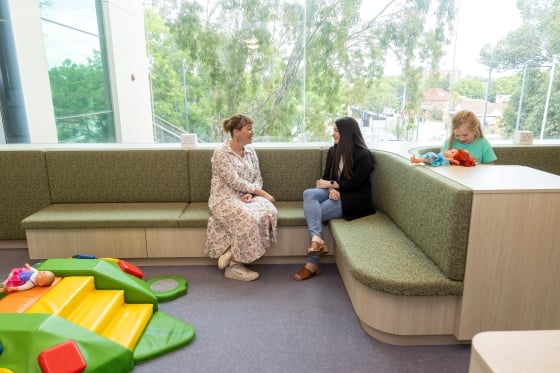
In this blog, Occupational Therapy Clinical Lead Marie Rodatz discusses the elements needed to create a neuro-affirming environment that supports neurodiverse individuals.
Understanding hospital service use among children with a diagnosis of craniosynostosis is important to improve services and outcomes. This study aimed to describe population-level trends, patterns, and factors influencing hospitalizations for craniosynostosis in Western Australia.