Search
Research
Bacteriophage: A new therapeutic player to combat neutrophilic inflammation in chronic airway diseasesPersistent respiratory bacterial infections are a clinical burden in several chronic inflammatory airway diseases and are often associated with neutrophil infiltration into the lungs. Following recruitment, dysregulated neutrophil effector functions such as increased granule release and formation of neutrophil extracellular traps (NETs) result in damage to airway tissue, contributing to the progression of lung disease.
Research
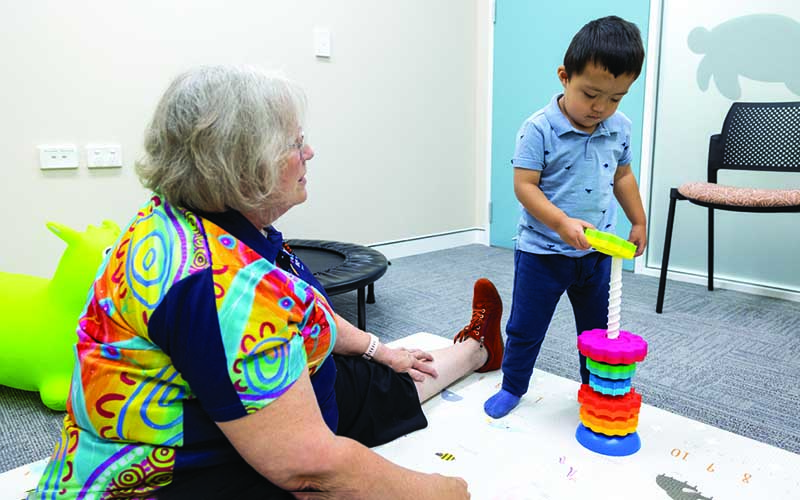
The neglect of a child with intellectual disability as reported in Australian news media: A Foucauldian discourse analysisPeople with intellectual disability experience a high risk of being neglected and family members are often identified as the perpetrators. Analysing the media provides insight into public narratives about social problems. A search of Australian newspapers published between 2016 and 2021 identified 27 articles that predominately reported on a single case of familial neglect of an individual with intellectual disability.
Research
Projected health impact of post-discharge malaria chemoprevention among children with severe malarial anaemia in AfricaChildren recovering from severe malarial anaemia (SMA) remain at high risk of readmission and death after discharge from hospital. However, a recent trial found that post-discharge malaria chemoprevention (PDMC) with dihydroartemisinin-piperaquine reduces this risk. We developed a mathematical model describing the daily incidence of uncomplicated and severe malaria requiring readmission among 0-5-year old children after hospitalised SMA.
Research
Single-cell transcriptomic and spatial landscapes of the developing human pancreasCurrent differentiation protocols have not been successful in reproducibly generating fully functional human beta cells in vitro, partly due to incomplete understanding of human pancreas development. Here, we present detailed transcriptomic analysis of the various cell types of the developing human pancreas, including their spatial gene patterns. We integrated single-cell RNA sequencing with spatial transcriptomics at multiple developmental time points and revealed distinct temporal-spatial gene cascades.
Research
Rare disease education in Europe and beyond: time to actPeople living with rare diseases (PLWRD) still face huge unmet needs, in part due to the fact that care systems are not sufficiently aligned with their needs and healthcare workforce (HWF) along their care pathways lacks competencies to efficiently tackle rare disease-specific challenges. Level of rare disease knowledge and awareness among the current and future HWF is insufficient.
Research
Ancestral SARS-CoV-2, but not Omicron, replicates less efficiently in primary pediatric nasal epithelial cellsChildren typically experience more mild symptoms of Coronavirus Disease 2019 (COVID-19) when compared to adults. There is a strong body of evidence that children are also less susceptible to Severe Acute Respiratory Syndrome Coronavirus 2 (SARS-CoV-2) infection with the ancestral viral isolate.
Research
Spatiotemporal mapping of malaria incidence in Sudan using routine surveillance dataMalaria is a serious threat to global health, with over 95 % of the cases reported in 2020 by the World Health Organization in African countries, including Sudan. Sudan is a low-income country with a limited healthcare system and a substantial burden of malaria.
Research
Genome-wide analyses of individual differences in quantitatively assessed reading- and language-related skills in up to 34,000 peopleThe use of spoken and written language is a fundamental human capacity. Individual differences in reading- and language-related skills are influenced by genetic variation, with twin-based heritability estimates of 30 to 80% depending on the trait. The genetic architecture is complex, heterogeneous, and multifactorial, but investigations of contributions of single-nucleotide polymorphisms (SNPs) were thus far underpowered.
Research
Multi-omics analysis defines highly refractory RAS burdened immature subgroup of infant acute lymphoblastic leukemiaKMT2A-rearranged infant acute lymphoblastic leukemia (ALL) represents the most refractory type of childhood leukemia. To uncover the molecular heterogeneity of this disease, we perform RNA sequencing, methylation array analysis, whole exome and targeted deep sequencing on 84 infants with KMT2A-rearranged leukemia.
Research
Missing Piece Study protocol: Prospective surveillance to determine the epidemiology of group A streptococcal pharyngitis and impetigo in remote Western AustraliaGroup A β-haemolytic Streptococcus (GAS), a Gram-positive bacterium, causes skin, mucosal and systemic infections. Repeated GAS infections can lead to autoimmune diseases acute rheumatic fever (ARF) and rheumatic heart disease (RHD). Aboriginal and Torres Strait Islander peoples in Australia have the highest rates of ARF and RHD in the world.