
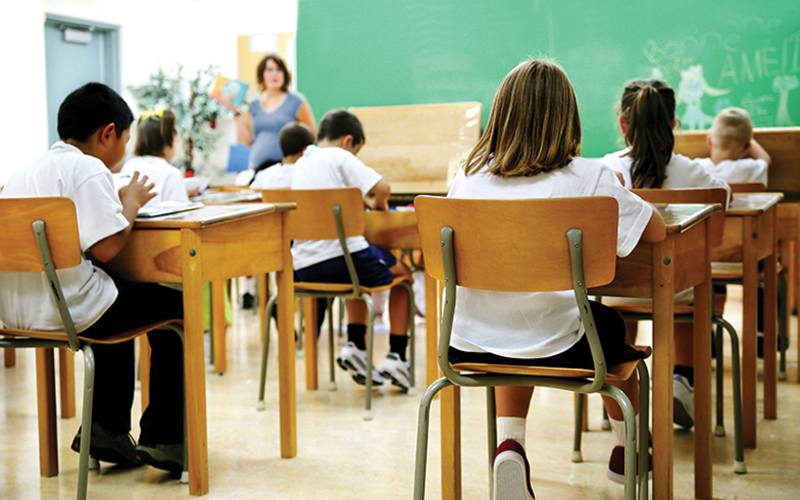
One third of Australia’s children will be better supported at school, thanks to a The Kids Research Institute Australia evidence review of what works…
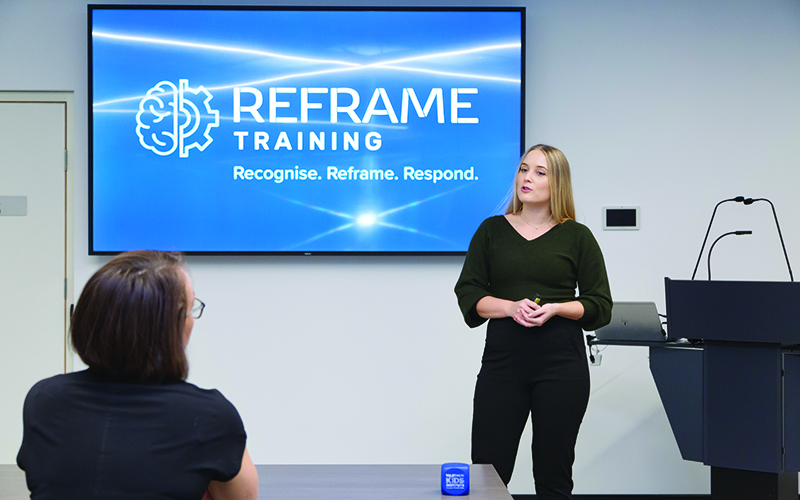
Findings from the Banksia Hill Project revealed 89% of young people in detention who were assessed as part of the project had at least one form of se…
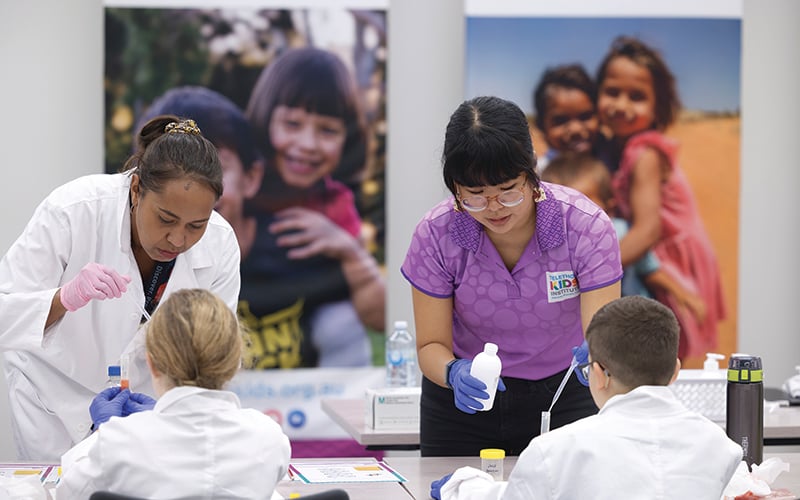
Strawberries, slime and sliced bread are being used as tools to educate and inspire the next generation of researchers, as part of the The Kids Disco…
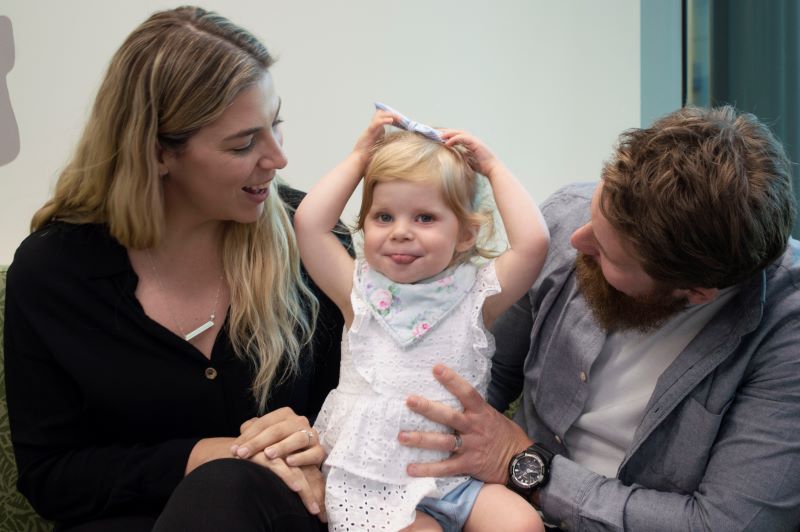
CliniKids, the first stand-alone clinical service offered by The Kids Research Institute Australia, was launched in October 2019 and is already deliv…
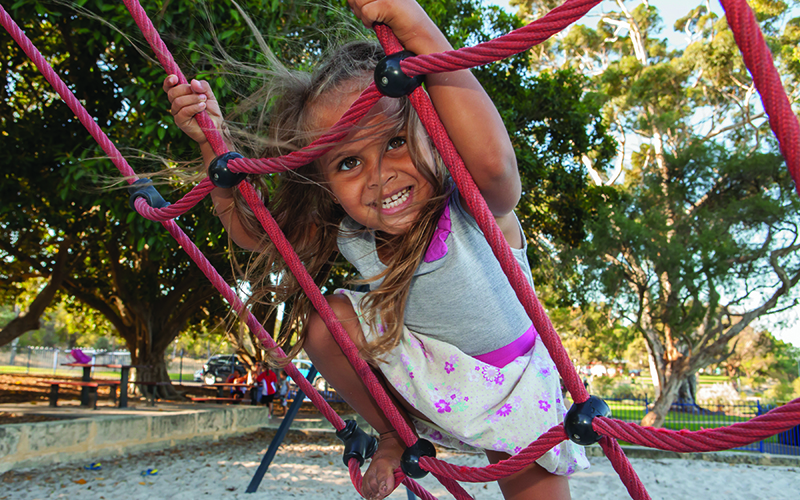
In 2020, the National Closing the Gap partnership made improving early development of Aboriginal and Torres Strait Islander children one of its top p…
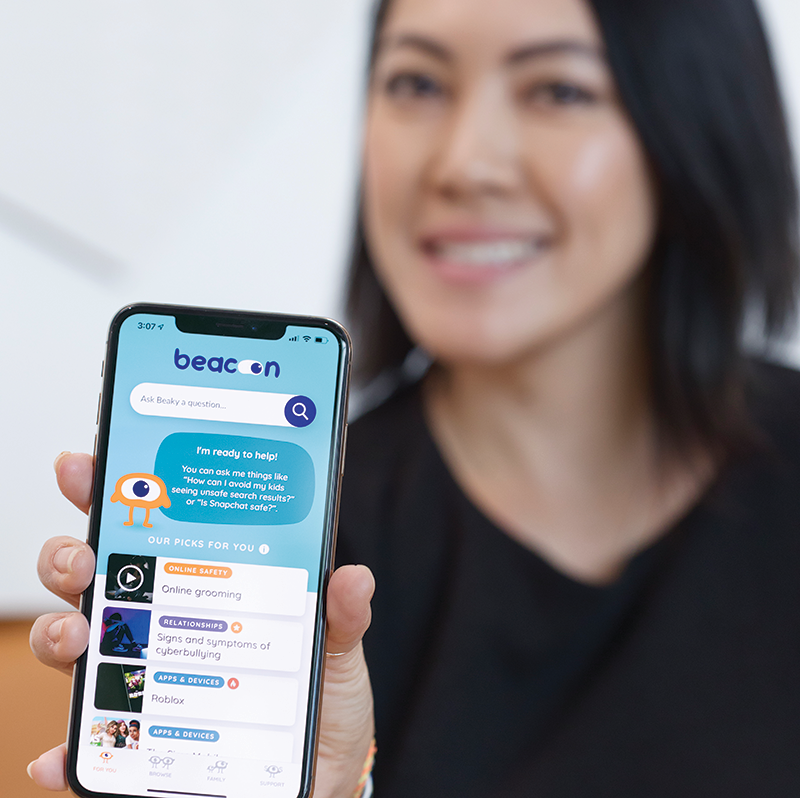
Parents, carers and educators have embraced an innovative tool in the battle to keep kids safe online - Beacon, an Australia-first, evidence-based cy…
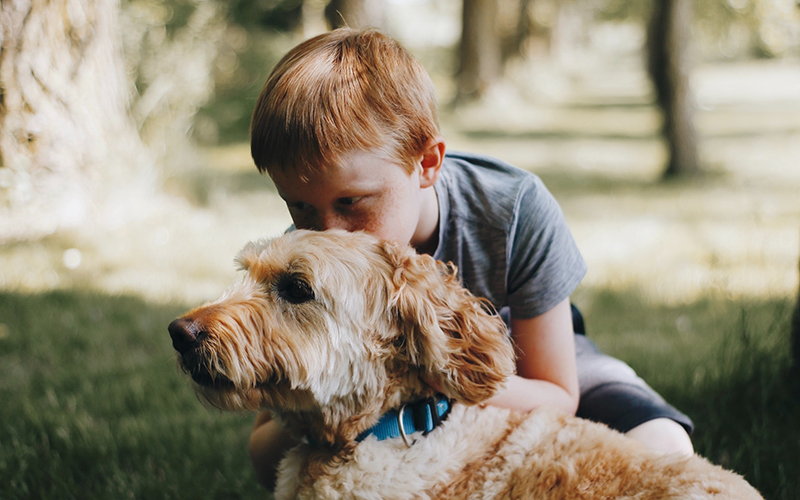
Study found children aged 2–5 years from dog-owning households had increased pro-social behaviours like sharing and cooperating, when compared to chi…
On this Research Impact page, learn about our work that's actively translated as Government policy or in active practice. Learn how our research is m…
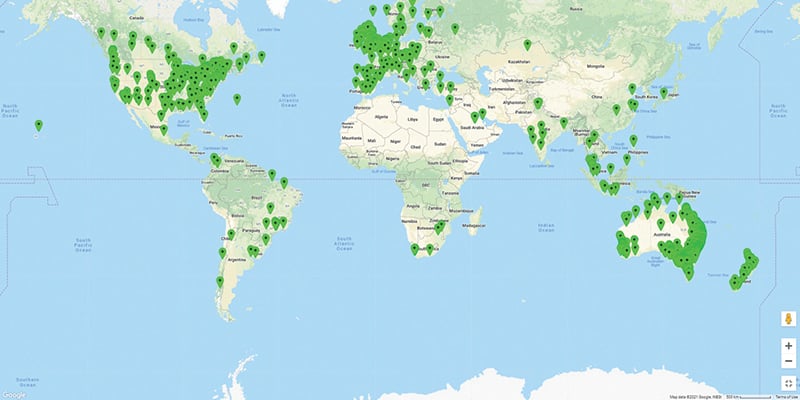
Autism researchers at The Kids have led the most comprehensive review of the evidence for autism intervention ever compiled
A legal change fought for by The Kids, consumer advocates, and others within the health sector – and hastened by the COVID-19 crisis – has brought WA…