
Search
Showing results for "mental health aboriginal"
Newly developed quantitative chest computed tomography (CT) outcomes designed specifically to assess structural abnormalities related to cystic fibrosis (CF) lung disease are now available. CFTR modulators potentially can reduce some structural lung abnormalities. We aimed to investigate the effect of CFTR modulators on structural lung disease progression using different quantitative CT analysis methods specific for people with CF (PwCF).
Prostate cancer is the most commonly diagnosed malignancy and the third leading cause of cancer deaths. GWAS have identified variants associated with prostate cancer susceptibility; however, mechanistic and functional validation of these mutations is lacking.
The genetic code that specifies the identity of amino acids incorporated into proteins during protein synthesis is almost universally conserved. Mitochondrial genomes feature deviations from the standard genetic code, including the reassignment of two arginine codons to stop codons.
Despite the teratogenic effects of alcohol, little is known about the safety of pharmacotherapies such as acamprosate for the treatment of alcohol use disorders in pregnancy. The aims of this study were to investigate, in a mouse model, the effects of maternally administered acamprosate on maternal and neonatal health, offspring neurodevelopment and behaviour, as well as examine whether acamprosate reduces the neurological harm associated with alcohol consumption in pregnancy.
Maternal educational attainment (MEA) shapes offspring health through multiple potential pathways. Differential DNA methylation may provide a mechanistic understanding of these long-term associations. We aimed to quantify the associations of MEA with offspring DNA methylation levels at birth, in childhood and in adolescence.
Platelets are anucleate blood cells that contain mitochondria and regulate blood clotting in response to injury. Mitochondria contain their own gene expression machinery that relies on nuclear-encoded factors for the biogenesis of the oxidative phosphorylation system to produce energy required for thrombosis.
Australian states and territories used test-trace-isolate-quarantine (TTIQ) systems extensively in their response to the COVID-19 pandemic in 2020-2021. We report on an analysis of Australian case data to estimate the impact of test-trace-isolate-quarantine systems on SARS-CoV-2 transmission.

We’re super excited to welcome Dr Amelia Harray to our research team. Amelia looks forward to strengthening the focus on food research to help children with type 1 diabetes and their families.

The deadline for ATAR exam special provisions is still open for newly diagnosed Type 1 Diabetes patients.
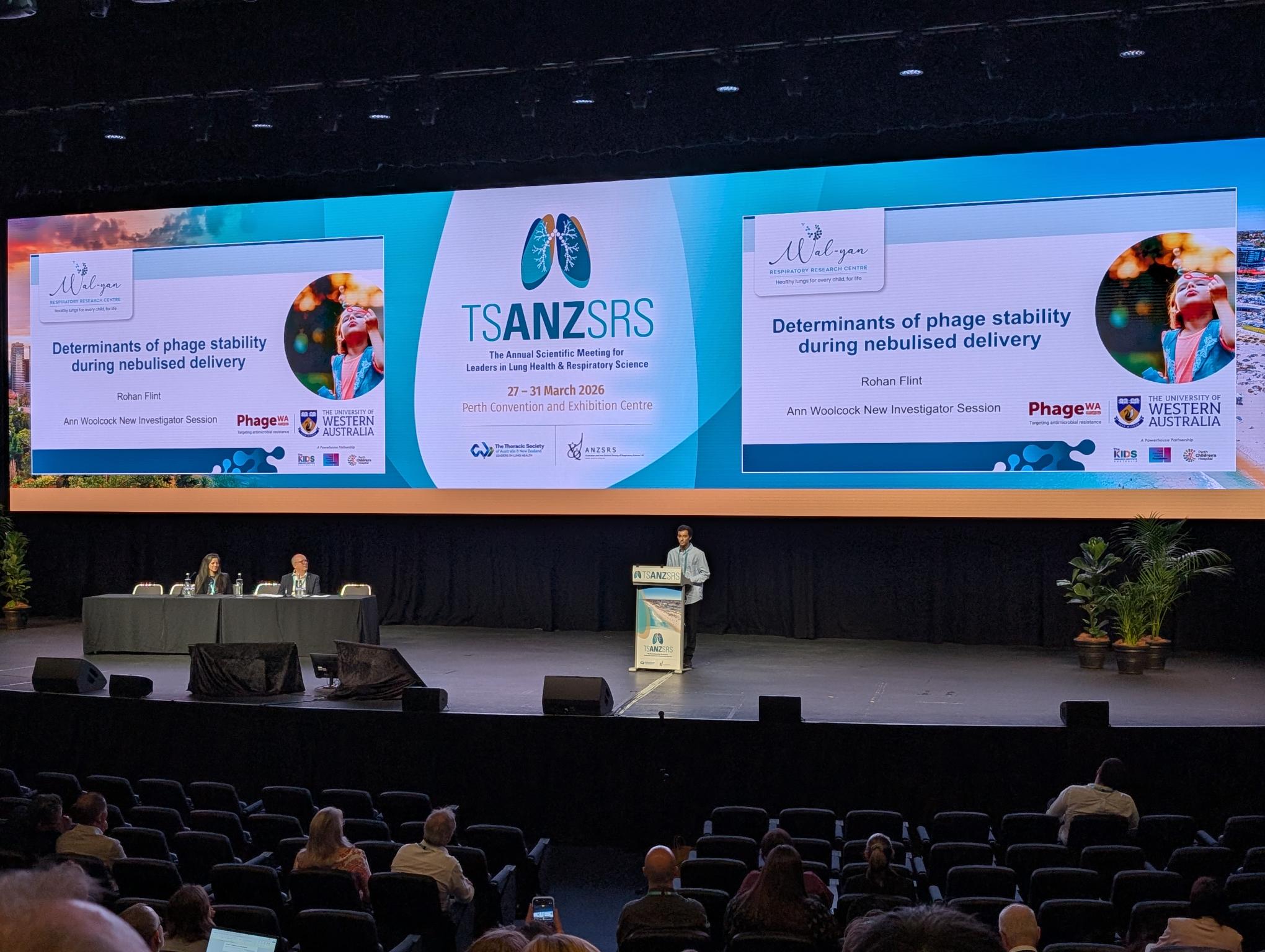
Wal-yan Respiratory Research Centre was well represented at this year's Thoracic Society of Australia and New Zealand and Society of Respiratory Science (TSANZSRS) Annual Scientific Meeting.