
Search
Showing results for "Childhood interstitial lung disease "
Rapid blood culture pathogen identification facilitated by matrix-assisted laser desorption ionisation time-of-flight and GeneXpert has the potential to improve antibiotic prescribing. This study investigates the impact of these rapid diagnostics on the timeliness of effective and optimal antibiotic prescribing in paediatric patients with bacteraemia.
Preterm infants are at a high risk of developing late-onset sepsis (LOS). Lactoferrin is one of the most abundant endogenous antimicrobial proteins expressed in breast milk, stools, and blood, and a candidate for preventive intervention. Large clinical trials have recently investigated whether enteral supplementation with bovine lactoferrin reduces LOS.
In this review, we will highlight infants' immune responses to food, emphasizing the unique aspects of early-life immunity and the critical role of breast milk as a food dedicated to infants. Infants are susceptible to inflammatory responses rather than immune tolerance at the mucosal and skin barriers, necessitating strategies to promote oral tolerance that consider this susceptibility.
Colostrum is the first milk for a newborn. Its high content in microbiota shaping compounds and its intake at the time of gut microbiota seeding suggests colostrum may be critical in the establishment of a healthy microbiota. There is also accumulating evidence on the importance of the gut microbiota for healthy growth.

A Kimberley study seeking to better understand Strep A in remote settings is helping to guide new approaches to prevent acute rheumatic fever (ARF) – an auto-immune response that typically begins with a sore throat and causes high fever, tiredness and swollen joints.
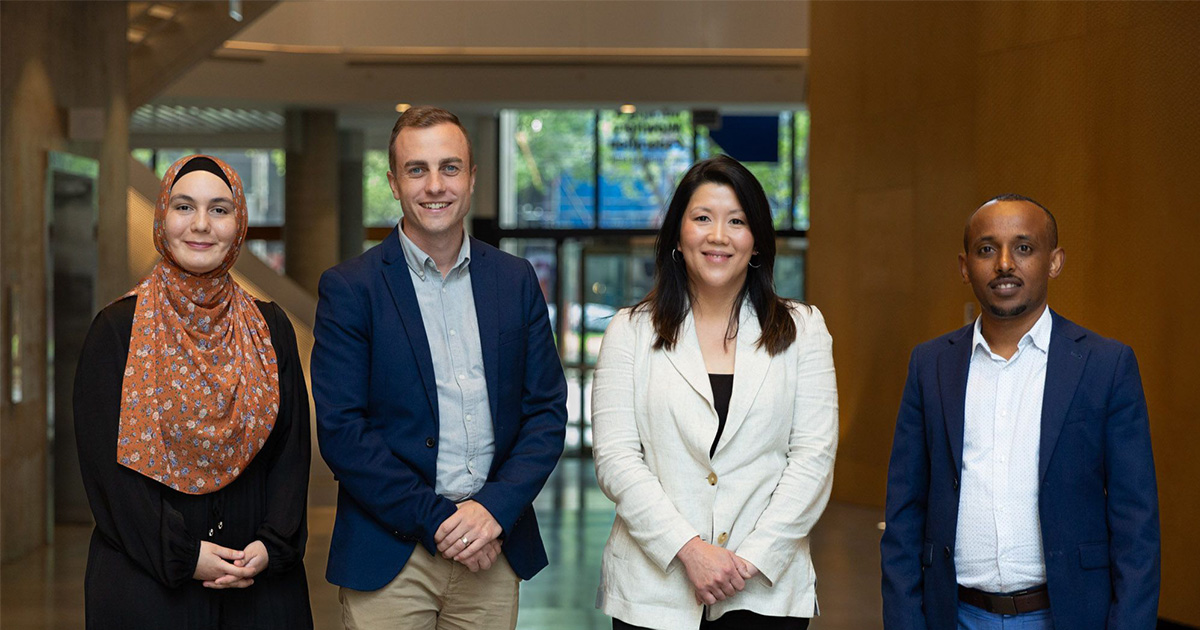
A leading tuberculosis researcher from The Kids Research Institute Australia and Curtin University has been named a finalist for the Association of Australian Medical Research Institutes (AAMRI) 2024 Rising Star Award.
This manuscript sheds light on the impact of maternal breast milk antibodies on infant health. Milk antibodies prepare and protect the newborn against environmental exposure, guide and regulate the offspring's immune system, and promote transgenerational adaptation of the immune system to its environment.
Both vector and mRNA vaccines were an important part of the response to the COVID-19 pandemic and may be required in future outbreaks and pandemics. The aim of this study was to validate whether immunogenicity differs for adenoviral vectored (AdV) versus mRNA vaccines against SARS-CoV-2, and to investigate how anti-vector immunity and B cell dynamics modulate immunogenicity.
This is your chance to play a vital role in shaping Australia's COVID-19 vaccine program

The ORIGINS Biobank is collecting biological samples from participant families at 10 timepoints between the time of pregnancy and the child turning five years of age.