
Search
Showing results for "early lung health"
Cardiovascular disease contributes significantly to disease burden among many Indigenous populations. However, data on stroke incidence in Indigenous populations are sparse. We aimed to investigate what is known of stroke incidence in Indigenous populations of countries with a very high Human Development Index locating the research in the broader context of Indigenous health.
For parents and guardians, assisting children/adolescents with severe obesity to lose weight is often a key objective but a complex and difficult challenge. Our aim in this study was to explore parents' (and guardians') perspectives on the challenges they have faced in assisting their children/adolescents with severe obesity to lead a healthy lifestyle.
Indigenous peoples in high income countries are disproportionately affected by Type 2 Diabetes. Socioeconomic disadvantages and inadequate access to appropriate healthcare are important contributors.
To critically appraise literature on recent advances and methods using "big data" to evaluate stroke outcomes and associated factors.
Participation in sport is associated with a range of physical, psychological, and social benefits. However, children in out-of-home care face complex barriers to sport participation, with lower participation rates than children in other household arrangements.
Many girls and women with Rett syndrome experience seizures. We wanted to know if there were any factors that influenced the age when seizures first developed.
Did you know that 9 out of 10 children diagnosed with type 1 diabetes have no family history of the condition?
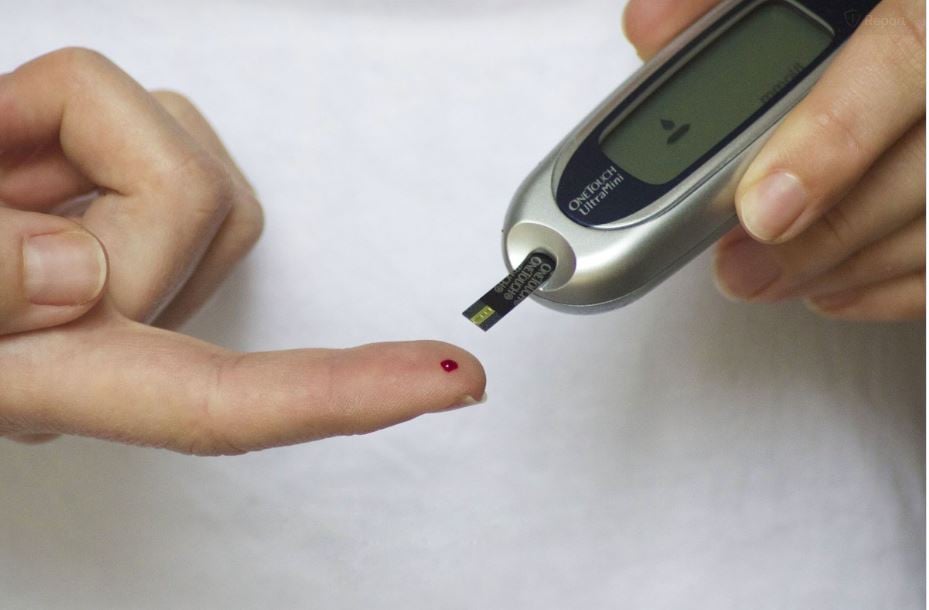
DACS – Diabetes Ambulatory Care Service – is a new model of care at Perth Children’s Hospital for children newly diagnosed with type 1 diabetes.
Investigated mindfulness as a prevention program for anxiety, depression and eating disorders in early secondary school
Relative risks of developmental vulnerability for each week of gestation were calculated with adjustment for confounders and addressing missing information.