
Search
Showing results for "Childhood interstitial lung disease "
The proposal that dietary docosahexaenoic acid (DHA) enhances neurocognitive functioning in term infants is controversial.
An 18-year (1990-2007) retrospective review of patients with Skull-base osteomyelitis (SBO) presenting to Westmead Hospital was performed.
How Influenza outbreaks during mass gatherings have been rarely described, and detailed virologic assessment is lacking.
Prevalence of overweight/obesity in children and youth with autism spectrum disorder, and associations between weight status and range of factors
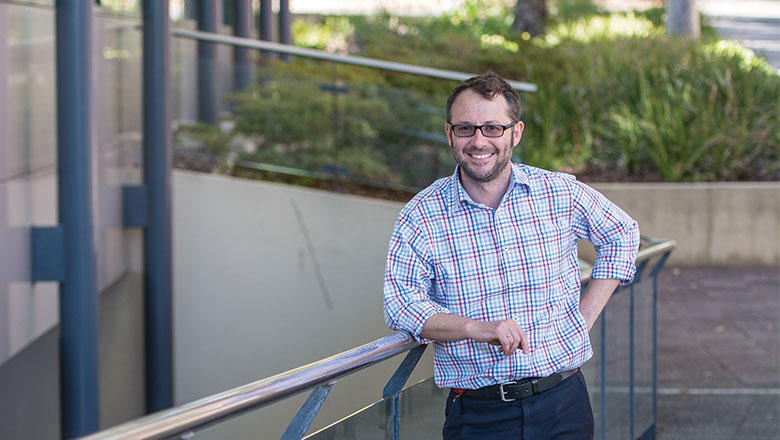
An extra whooping cough vaccination for babies comes as a result of work by researchers at the Wesfarmers Centre of Vaccines and Infectious Diseases.
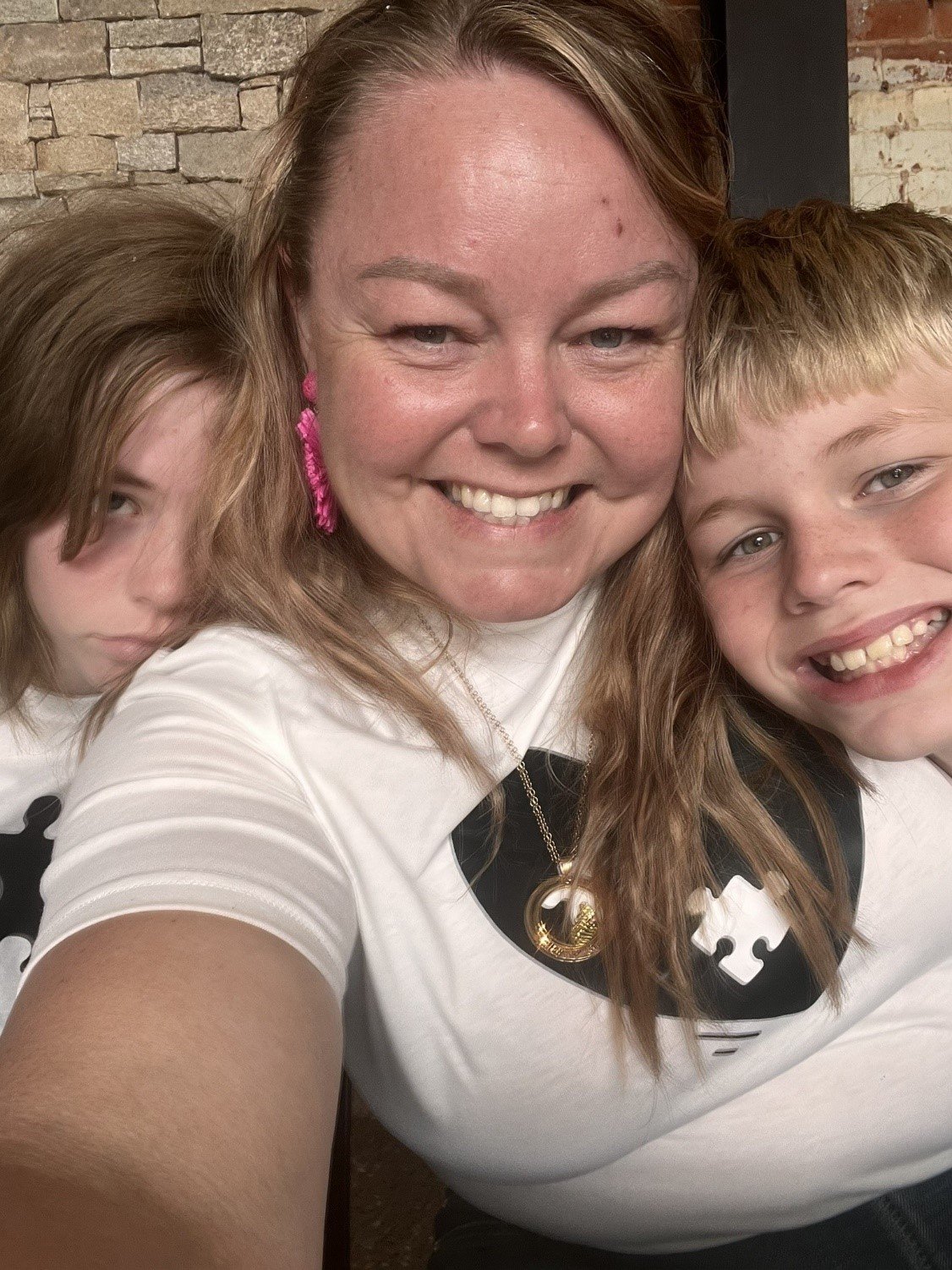
Recognising the signs of type 1 diabetes (T1D) can be tricky. Often put down to growing pains, a virus or “something going around”, a diagnosis can take some time if children aren’t severely sick and attend an emergency department.
There are an estimated 5000 episodes per year of bloodstream infections due to Staphylococcus aureus (golden staph) in Australia and an associated mortality of 20%. Despite this, there is little clinical trials evidence to guide best management.
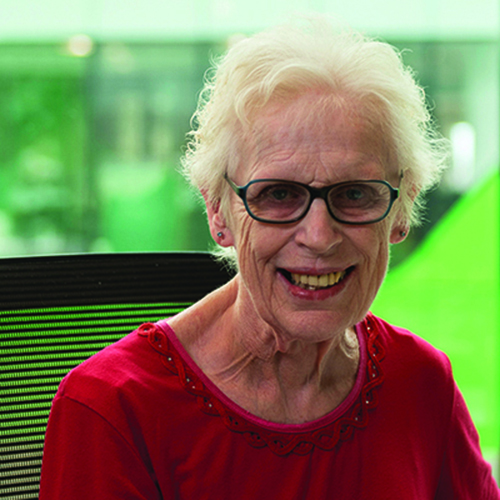
The Kids Research Institute Australia disability researcher, Associate Professor Helen Leonard, played an important role in the identification of the differences that define CDD, thanks to her extensive experience researching Rett syndrome and running an Australian online database tracking Rett cases.
Australian authorities made COVID-19 vaccines available for children aged under 5 years old with serious comorbidities in August 2022. There is presently no universal programme for young children, but crucial to any rollout's success is whether parents are motivated and able to vaccinate. By examining parents' vaccine intentions, this study aims to inform current and future COVID-19 vaccine roll-outs for children aged under 5 years.
The unprecedented global rise in mental anguish is closely linked with the erosion of our social fabric, economic and political systems, and to our natural environments. We are facing multiple new large-scale threats to health, safety, and security, with a growing lack of trust in others and in authorities.