
Search
Showing results for "early childhood"
Group A Streptococcus (Strep A) is responsible for a significant global health and economic burden. The recent prioritization of Strep A vaccine development by the World Health Organization has prompted global research activities and collaborations. To progress this prioritization, establishment of robust surveillance for Strep A to generate updated regional disease burden estimates and to establish platforms for future impact evaluation is essential.
Pulmonary exacerbations are associated with increased morbidity and mortality in people with cystic fibrosis (CF). There is no consensus about which outcomes should be evaluated in studies of pulmonary exacerbations or how these outcomes should be measured.
Children with cochlear implants are at increased risk of invasive pneumococcal disease, with national and international guidelines recommending additional pneumococcal vaccines for these children. This study aimed to examine the pneumococcal immunization status and rate of invasive pneumococcal disease in children with cochlear implants at a tertiary paediatric hospital over a 12-year period.
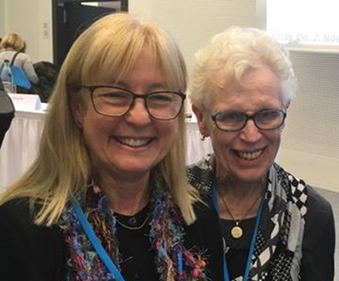
Two The Kids Research Institute Australia researchers recognised for their role in building a global database for CDKL5 deficiency disorder are now helping to set the scene for clinical trials of much-needed potential treatments.

News headlines about the large number of life-threatening cases of the flu in Western Australia this winter have been hard to miss - find out what you can do to protect your family.
Research teams led by The Kids Research Institute Australia have been awarded $3.75 million to support two innovative projects – one focused on pioneering a national ‘Food Atlas’ to map access to healthy and unhealthy food across the country, and the other on developing new ways to prevent Strep throat and rheuma
From 1 January 2020 to 31 December 2021, thirty-eight institutions across Australia submitted data to the Australian Group on Antimicrobial Resistance (AGAR) from patients aged < 18 years (AGAR-Kids). Over the two years, 1,679 isolates were reported from 1,611 patients. This AGAR-Kids report aims to describe the population of children and adolescents with bacteraemia reported to AGAR and the proportion of resistant isolates.
Rising proportions of antimicrobial resistance (AMR) have been observed in both Staphylococcus aureus and Enterococcus spp. isolates.
Christopher Asha Blyth Bowen MBBS (Hons) DCH FRACP FRCPA PhD BA MBBS DCH FRACP PhD GAICD FAHMS OAM Centre Head, Wesfarmers Centre of Vaccines and
COVID-19 related non-pharmaceutical interventions (NPIs) disrupted global healthcare utilisation, with notable declines in infection related paediatric hospitalisations. We aimed to identify non-infectious paediatric conditions for which the incidence of hospital admissions increased during the introduction and alleviation of NPIs in 2020.