
Search
Showing results for "Childhood interstitial lung disease "

Strengths-based, tiered, accessible, resources and supports (STARS) for Kids for parent, carers and their children.
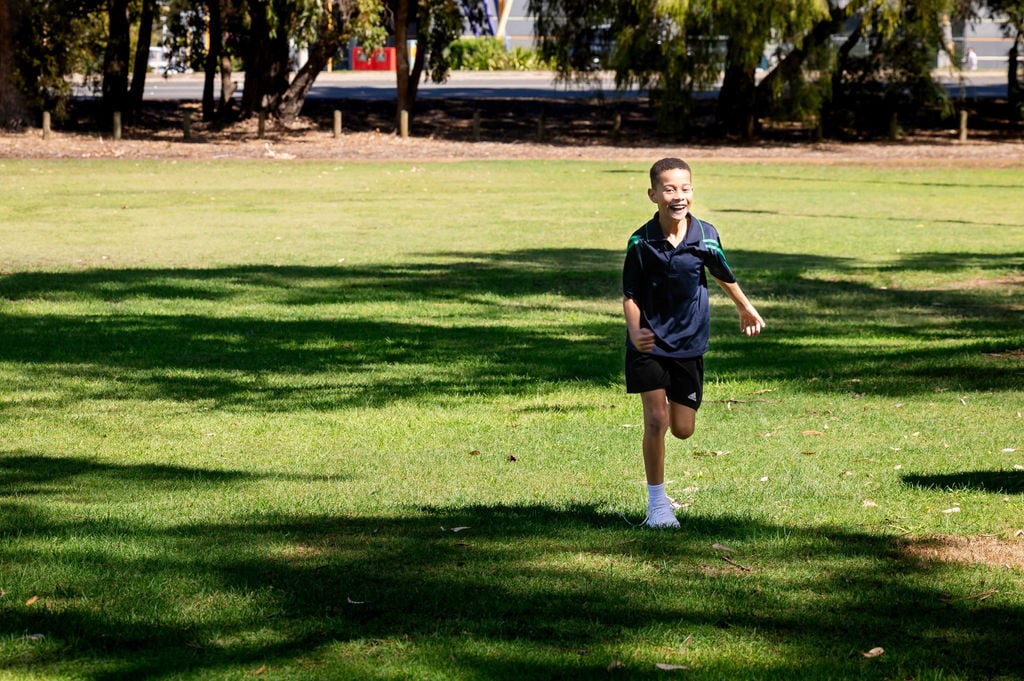
During our 8-Year Kids Checks, ORIGINS is introducing the opportunity for parents and children to be fitted with the SENS motion device which that will measure you and your child's sleep and physical activity for seven days.
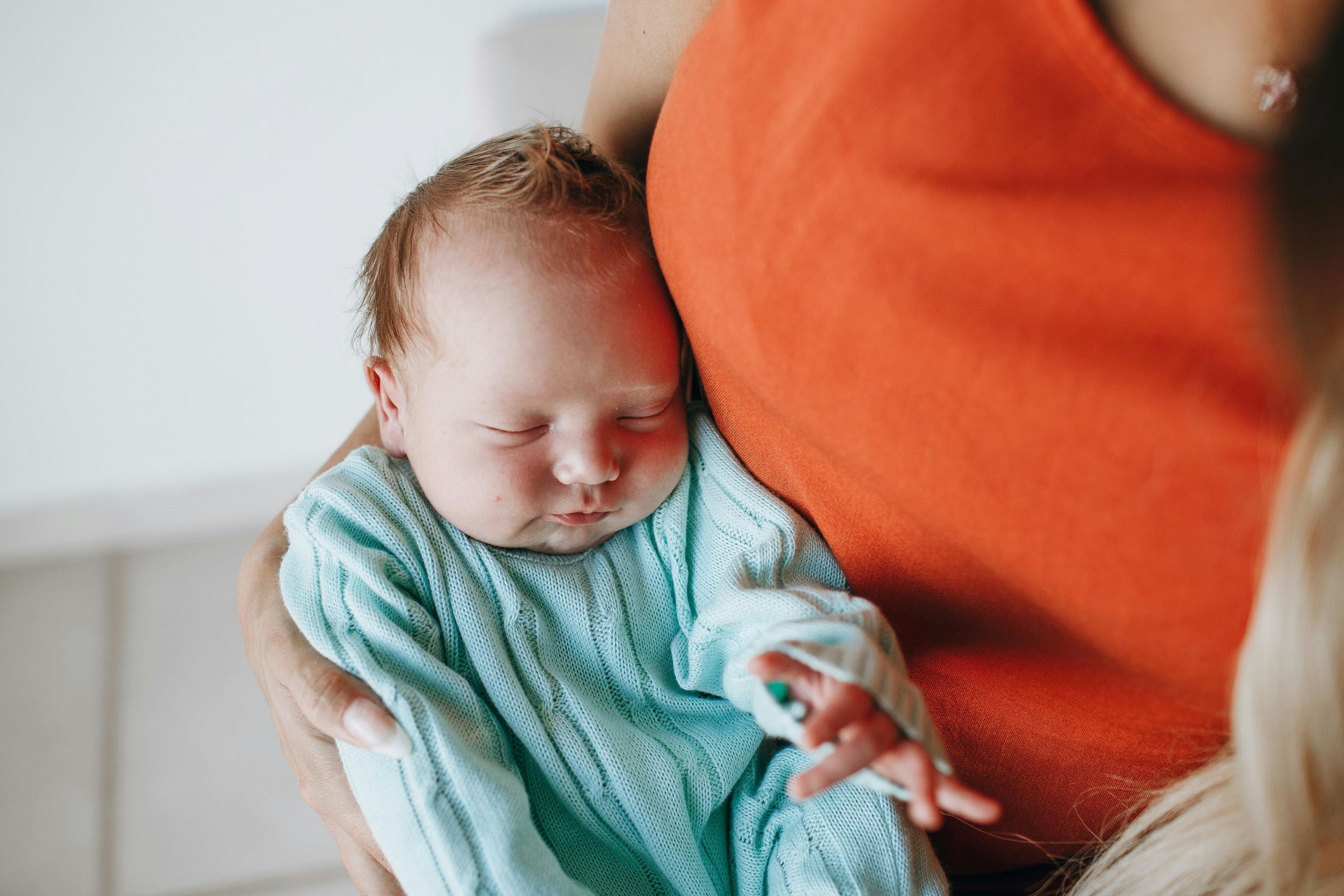
This study explores the role of infant sleep in early childhood development.
Project Officer Thomas Betts says it's vital we nurture our young people.
Adolescents are heavily exposed to unhealthy outdoor food advertisements near schools, however, the marketing power of these advertisements among adolescents has not yet been explored. This study aimed to investigate the teen-directed marketing features present and quantify the overall marketing power of outdoor food advertisements located near schools to explore any differences by content (ie, alcohol, discretionary, core and miscellaneous foods) school type (ie, primary, secondary, K-12) and area-level socio-economic status (SES; ie, low vs high).

Four The Kids Research Institute Australia researchers from a diverse range of fields have been named as finalists for the prestigious 2022 Premier’s Science Awards.
Hybrid closed-loop (HCL) therapy improves glycaemic control in adolescents with type 1 diabetes; however, little is known about their lived experience using these systems. The aim of this study was to explore the lived experiences of youth with type 1 diabetes using HCL therapy, and their parents, to provide insight into their lived experiences.
Pineoblastoma is a rare brain tumor usually diagnosed in children. Given its rarity, no pineoblastoma-specific trials have been conducted. Studies have included pineoblastoma accruing for other embryonal tumors over the past 30 years.
Youth mental health researcher named joint winner of the Shell Aboriginal STEM Student of the Year category at the 2022 Western Australian Premier’s Science Awards.
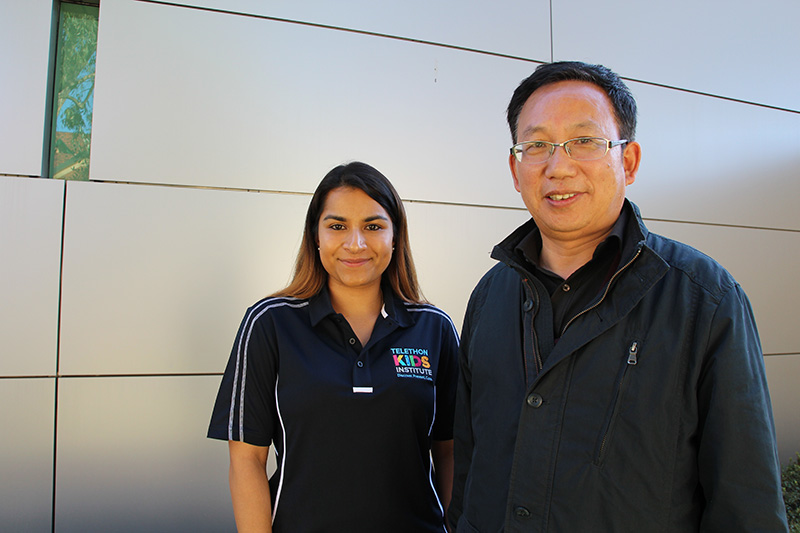
Chinese immigrants who live in a Western environment like Australia have an increased risk of allergies, hay fever and asthma, new research led by Curtin University and The Kids Research Institute Australia has found.