
Search
Showing results for "early childhood"
Western Australia experiences multiple climatic zones, influencing the epidemiology of respiratory viruses. We aimed to estimate the true incidence of respiratory syncytial virus and influenza hospitalizations across these different climatic regions using predictive modelling.
Between January 2022 and December 2023, there were 1,827 bloodstream infection (BSI) isolates in 1,745 children and adolescents reported to the Australian Group on Antimicrobial Resistance (AGAR) surveillance outcome programs, with 40% of episodes in children aged < 12 months.
The COVID-19 pandemic drove the implementation of vaccine mandates to protect spaces and/or increase vaccine uptake, though their design, timing, and scope varied across jurisdictions. This study examines the associations of vaccine mandate announcements and removals with COVID-19 vaccine uptake in France, Italy, and California (USA).
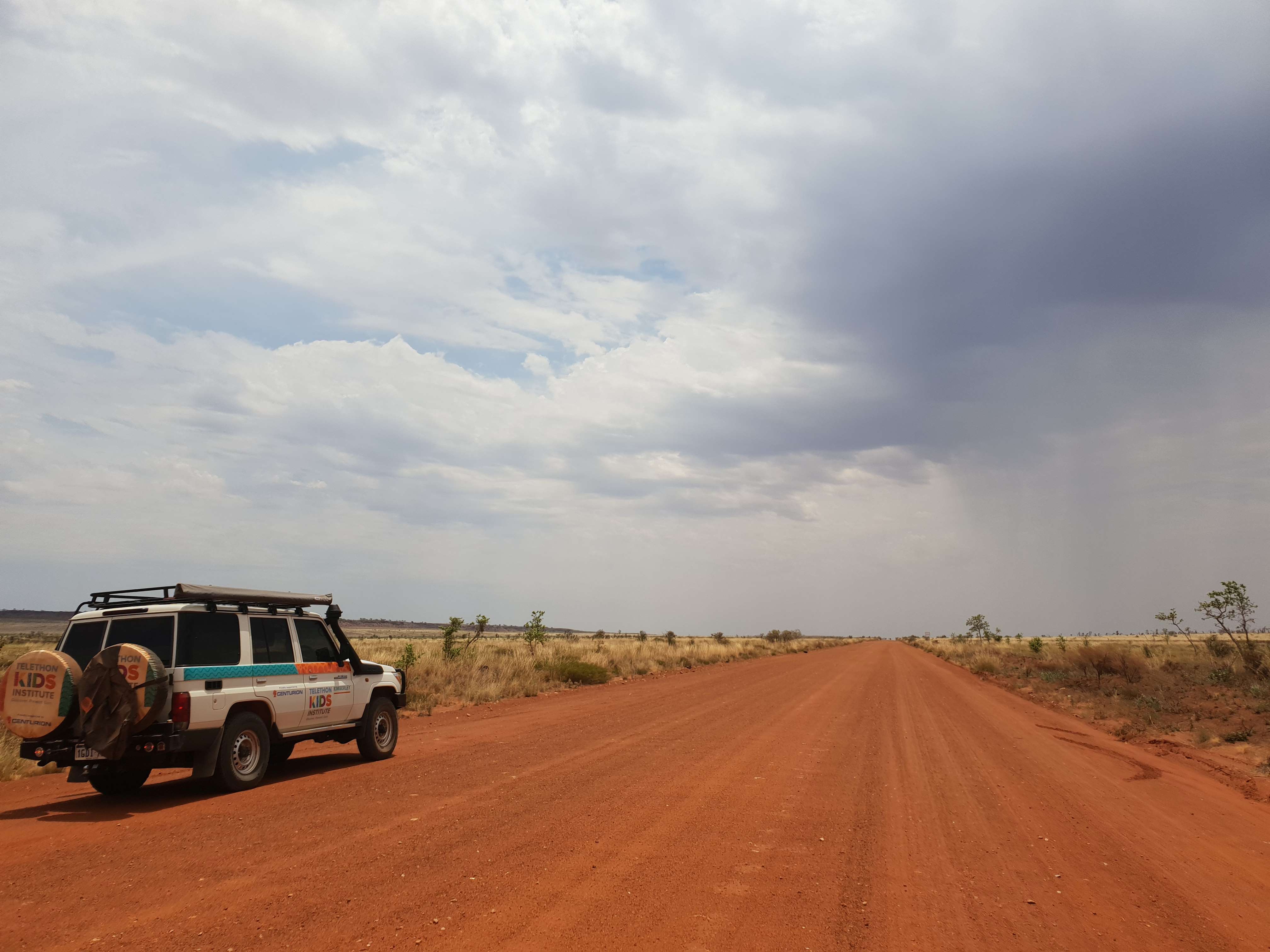
Led by The Kids Research Institute Australia and Aboriginal health organisations in close partnership with nine Aboriginal communities in Western Australia’s Kimberley region, the five-year SToP Trial set out to identify the best possible methods to See, Treat and Prevent painful skin sores and scabies.
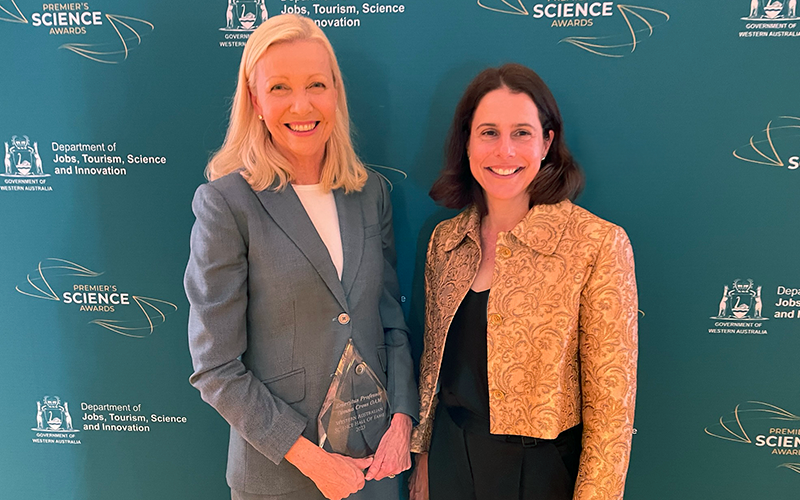
Pioneering anti-bullying researcher Emeritus Professor Donna Cross OAM was last night announced as the latest inductee into the WA Science Hall of Fame.
The Missing Piece Surveillance Study is a prospective surveillance study to determine the concurrent burden of skin and throat infections in children, from two remote communities in Northern Australia.
Streptococcus pyogenes (also known as group A Streptococcus , Strep A) is an obligate human pathogen with significant global morbidity and mortality. Transmission is believed to occur primarily between individuals via respiratory droplets, but knowledge about other potential sources of transmission via aerosols or the environment is limited. Such knowledge is required to design optimal interventions to control transmission, particularly in endemic settings.
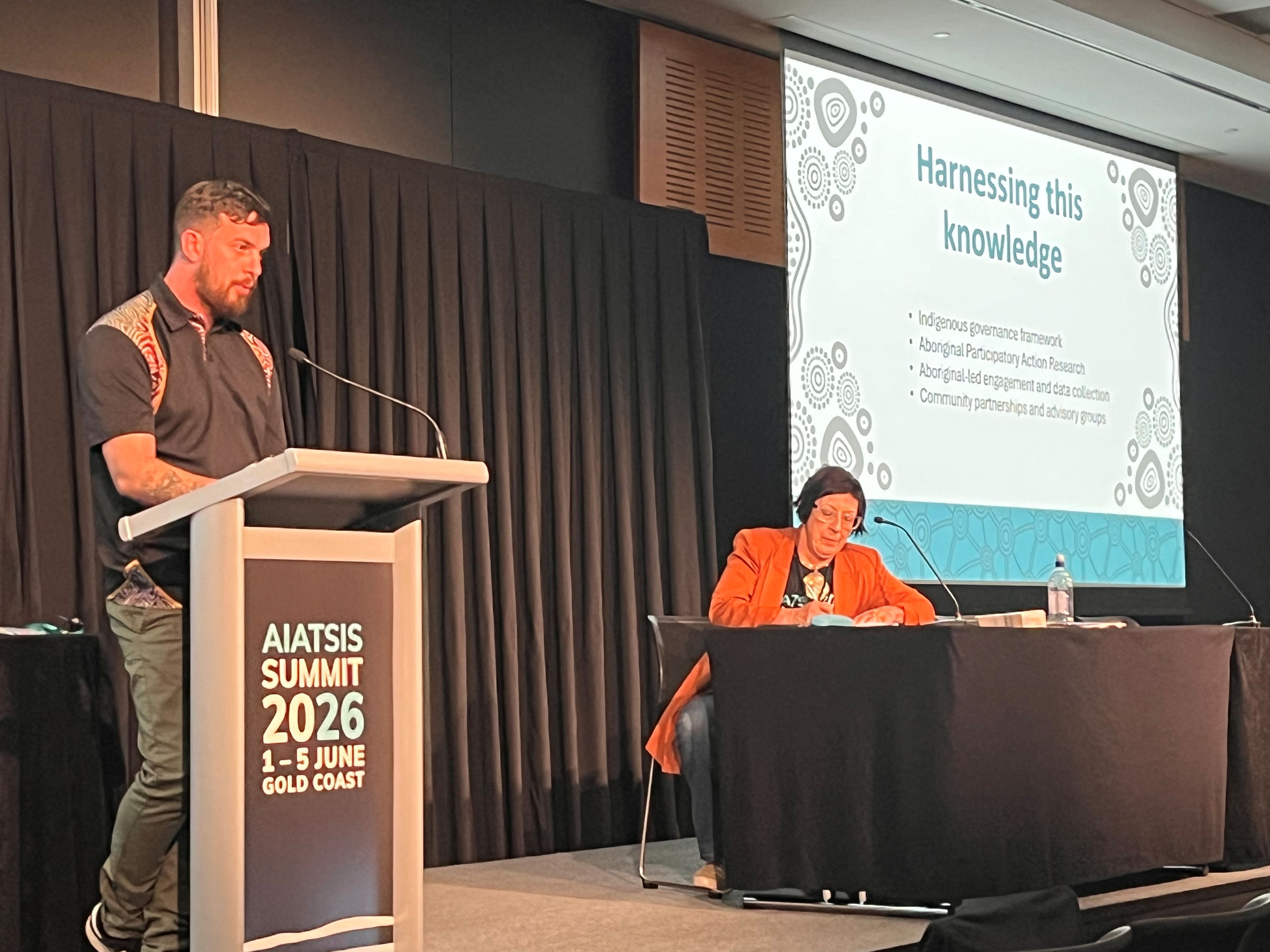
Thomas Betts presenting at AIATSIS in June 2026
The Djaalinj Waakinj (Listening, Talking) Ear Portal project commenced in 2020 to evaluate an equitable ear and hearing care pathway for Aboriginal children residing in the metropolitan area of Perth.
High-grade glioma (HGG) cells reactivate neurodevelopmental programs regulated by ion channels to drive tumor progression. The activity of voltage-gated sodium channels (VGSCs) is fundamental to development, a target of blood-brain barrier (BBB)-permeable FDA-approved drugs, and aids tumor advancement in several cancers. However, the contribution of VGSC activity to HGG pathology remains unknown.