
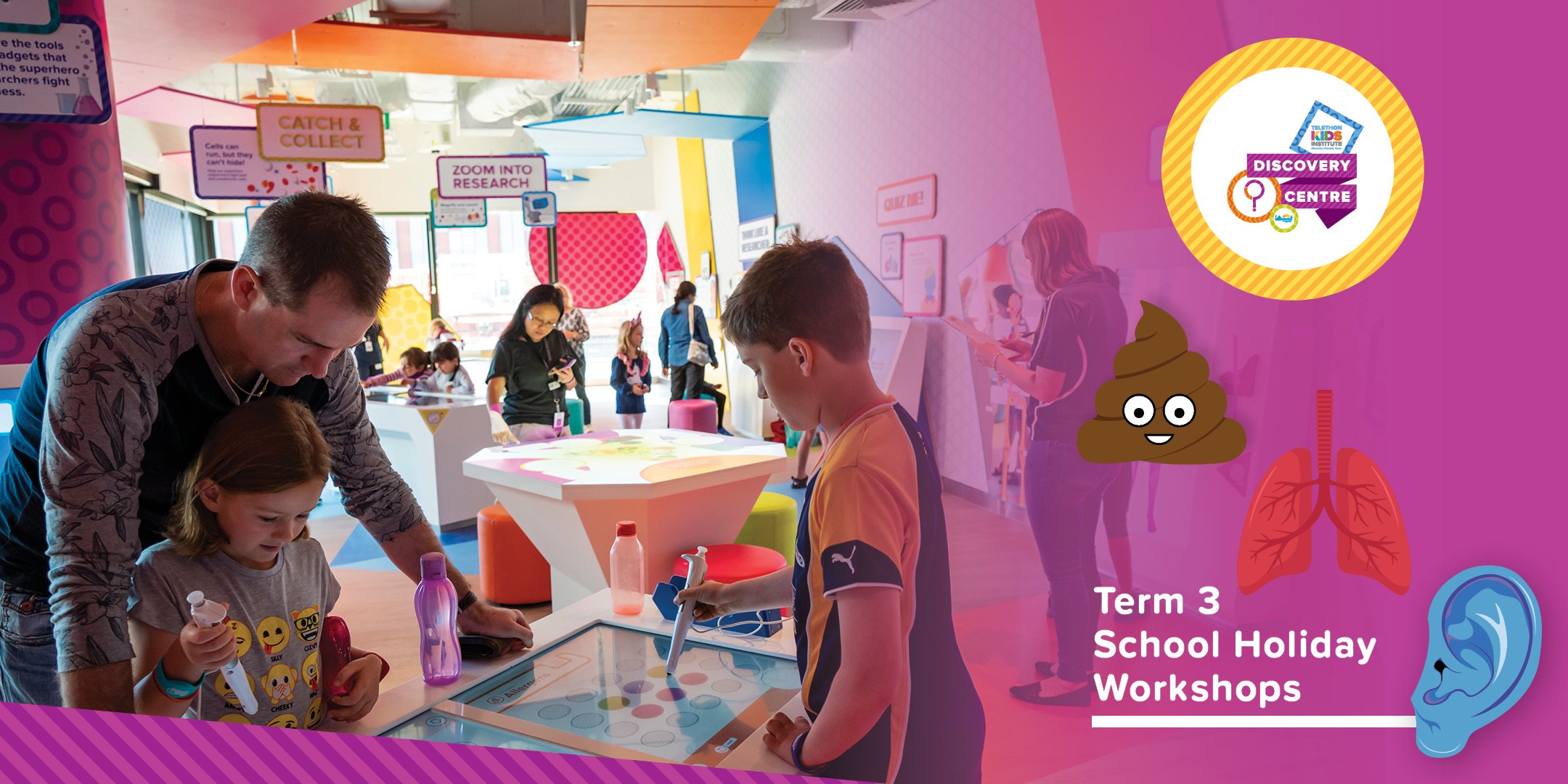
Term 3 school holiday workshops
The Kids Discovery Centre is offering a brand-new program of fun and engaging workshops for kids during the Term 3 School Holidays.
New Australia-first cyber safety app a guiding light for parents
Australian parents have a new weapon in the battle to keep their kids safe online with the launch of ‘Beacon’.
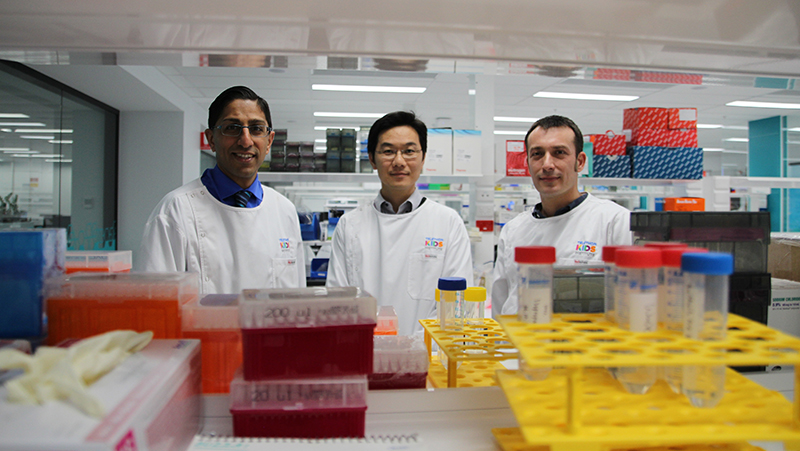
Lightening the leukaemia load for kids with Down syndrome
Kids born with Down syndrome are at high risk of an array of health problems. One of the lesser-known complications is their increased risk of childh…

Execution of Licence Agreement with The Kids Research Institute Australia and Erasmus University Medical Centre
Resonance Health Ltd is pleased to announce that it has entered into a licence agreement with The Kids Research Institute Australia and the Erasmus U…