
Search
Showing results for "preterm birth lungs"
This paper discusses changes in diagnostic criteria, decreasing age at diagnosis, improved case ascertainment, diagnostic substitution, and social influences.
Co-design of a program supporting paternal involvement in preterm care.

Five researchers from The Kids Research Institute Australia have secured prestigious National Health and Medical Research Council (NHMRC) Investigator Grants, earning five years of funding to advance research tackling some of Australia's most pressing child health challenges.
We investigated predictors of nasopharyngeal carriage in Australian Aboriginal and non-Aboriginal children.
Since there are known disparities between Aboriginal and non-Aboriginal populations in Australia, trends in infant mortality rates can be used to assess the...

The ACE sub-project is investigating the impact of positive and negative maternal childhood experiences on pregnancy outcomes, and the health and wellbeing of children, with the aim to improve clinician screening and support available to families.
Accurate knowledge of the relationship between craniofacial anomalies (CFA), intellectual disability (ID) and autism spectrum disorder (ASD) is essential to improve services and outcomes. The aim is to describe the association between CFA, ID and ASD using linked population data.
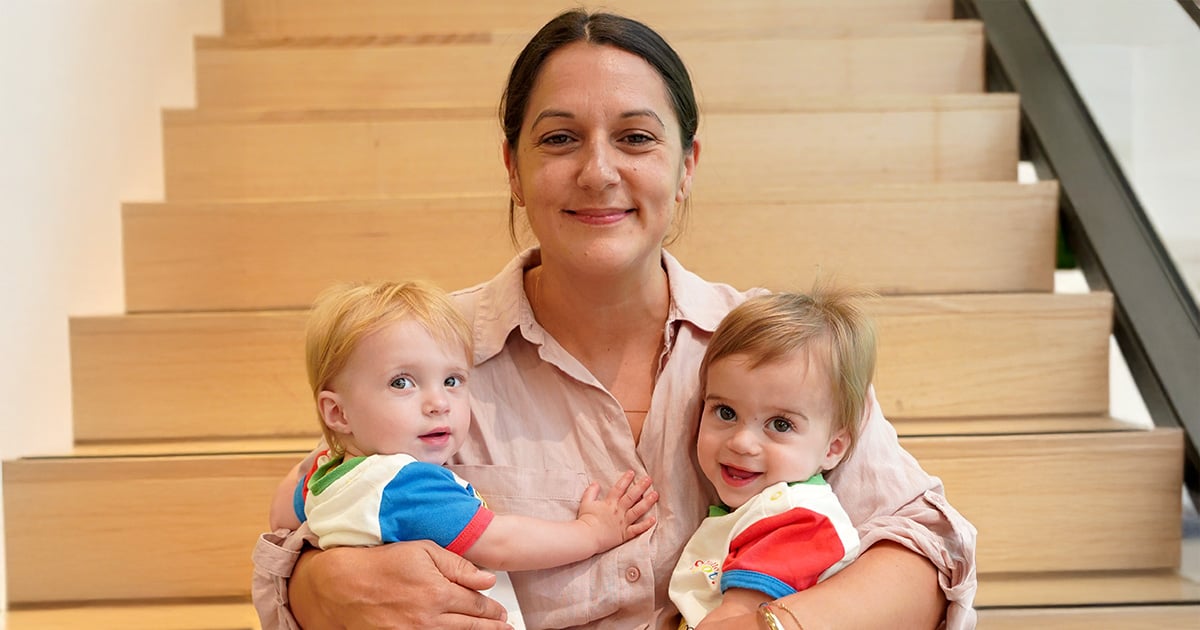
An Australian-first study, funded by Perth Children's Hospital Foundation, demonstrating the effectiveness of a new immunisation against respiratory syncytial virus (RSV) for babies found it to be almost 90 per cent effective in reducing hospitalisation rates.

In September 2024, the Western Australian Epithelial Research Program (WAERP) reached a significant milestone by recruiting its 400th participant.
Studies examining associations of early-life cat and dog ownership with childhood asthma have reported inconsistent results. Several factors could explain these inconsistencies, including type of pet, timing, and degree of exposure. Our aim was to study associations of early-life cat and dog ownership with asthma in school-aged children, including the role of type (cat vs dog), timing (never, prenatal, or early childhood), and degree of ownership (number of pets owned), and the role of allergic sensitization.