
Search
Showing results for "early childhood"
Belaynew Christopher Peter Hannah Minda Huong Taye Blyth Richmond Moore Sarna Le MD, MPH, PhD MBBS (Hons) DCH FRACP FRCPA PhD MBBS MRCP(UK) FRACP OAM
The Western Australia (WA) Respiratory Infections Linked Data Platform is a population-based cohort established to investigate the epidemiology of RSV and other respiratory infections in children aged 0-10 years, incorporating microbiological testing patterns, hospital admissions, emergency department presentations, and socio-demographic data.
Understanding the geospatial distribution of influenza infection and the risk factors associated with infection clustering can inform targeted preventive interventions. We conducted a geospatial analysis to investigate the spatial patterns and identify drivers of medically attended influenza infection across all age groups in Western Australia.
Describe the epidemiology of Staphylococcus aureus bacteremia in children and adolescents younger than 18 years from Australia and New Zealand

Everything you need to know to book an excursion at the The Kids Discovery Centre.
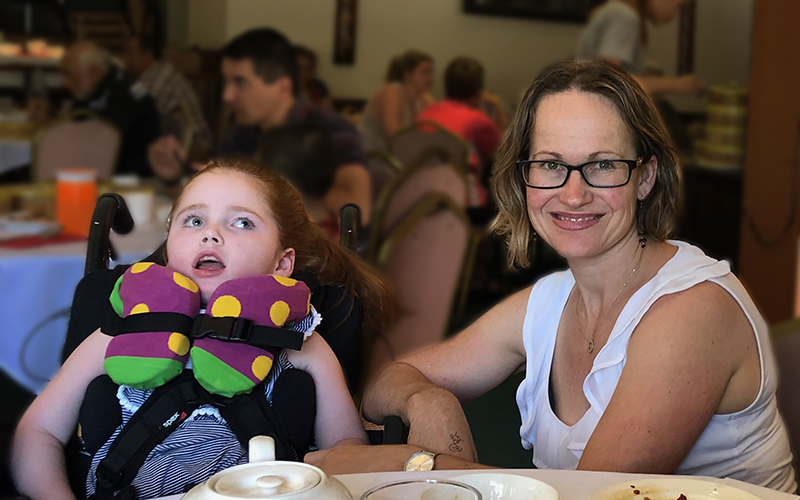
Children with intellectual disability who underwent gastrostomy – a feeding tube placed into the stomach – had better overall health and fewer hospitalisations for all causes except acute respiratory illnesses, research led by The Kids Research Institute Australia has found.
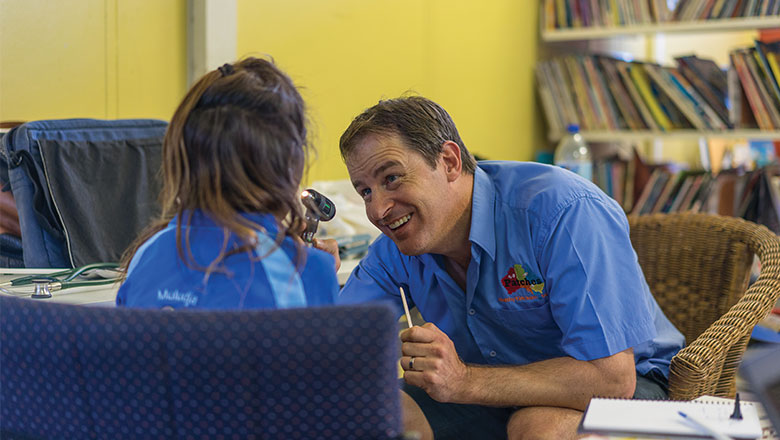
The Make FASD History campaign, led by community researchers and The Kids Research Institute Australia, has made huge inroads into prevention, diagnosis and therapy.
To determine the ability to accurately diagnose acute rheumatic fever given the resources available at three levels of the Ugandan healthcare system.
Asha Jonathan Bowen Carapetis AM BA MBBS DCH FRACP PhD GAICD FAHMS OAM AM MBBS FRACP FAFPHM PhD FAHMS Head, Healthy Skin and ARF Prevention Co-Head,
These data highlight the importance of recognising Sporotrichosis in children outside an outbreak setting