
Search
Showing results for "early lung health"

The Children's Diabetes Centre values the importance of community members having a say by giving feedback and guidance on issues important to them.
Read the latest edition of our magazine, embrace exclusive, right here.

Due to the evolving COVID-19 situation in Australia and requirements outlined by the WA Government, we need our families to be aware of how this effects ORIGINS and our participants.
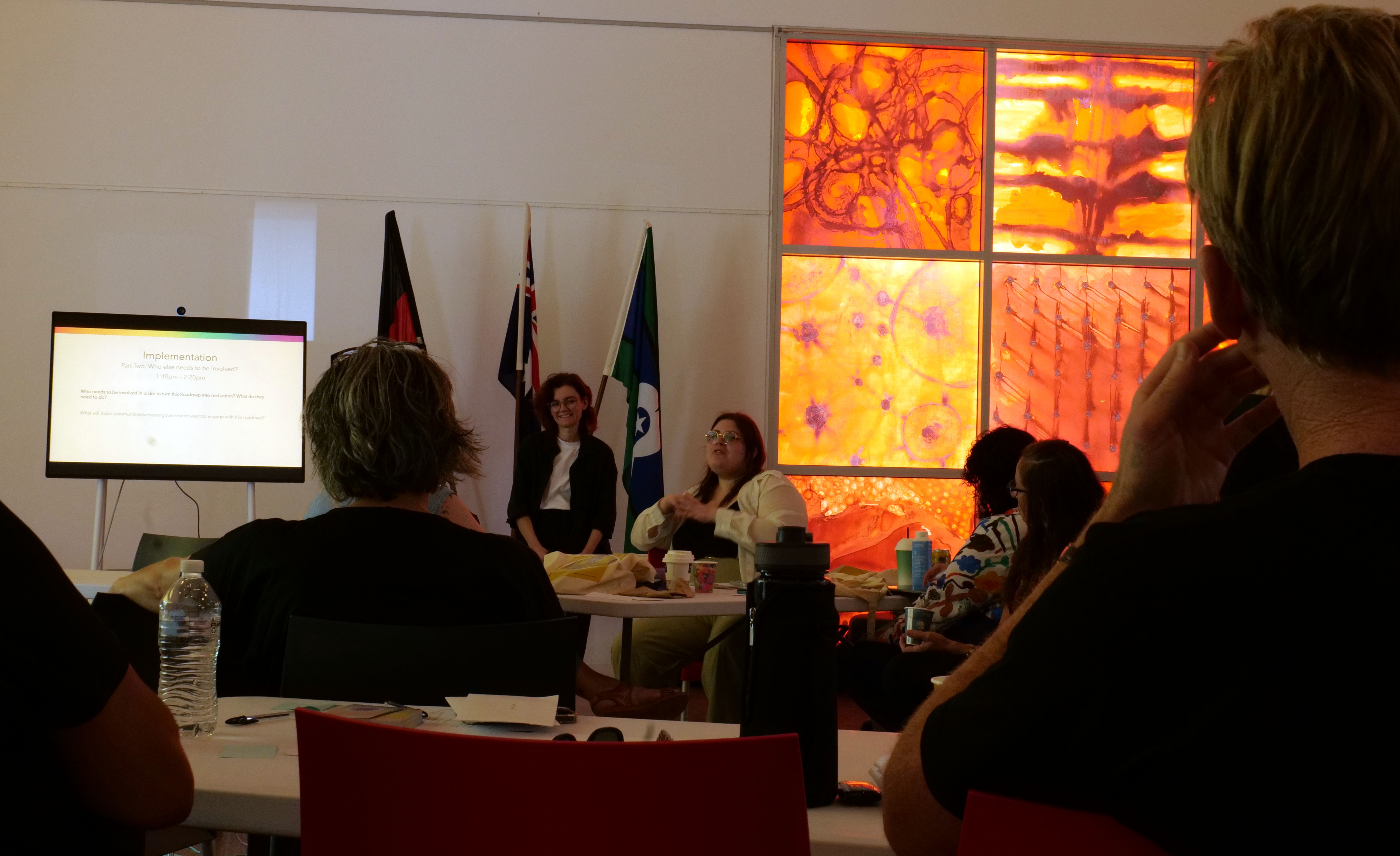
Walkern Katatdjin researcher and lead author Mx Shakara Liddelow-Hunt leads a conversation with the community on the key actions to include in the Roadmap.
Determining young people's knowledge of energy drink (EDs), factors influencing ED consumption and intervention strategies to lower ED consuption in youth.
This study aims to establish FASD prevalence among sentenced young people in detention in Western Australia (WA)
We report the findings from a qualitative study that took place alongside a fetal alcohol spectrum disorder (FASD) prevalence study among detainees in Australia
Parents of trans and gender diverse (herein ‘trans’) children experience additional challenges in their parenting role relative to parents of cisgender children. Understanding and enhancing parents’ empowerment is a promising approach to support both parents and children. We aimed to develop an empowerment scale specific to parents of trans children, grounded in parents’ lived experiences.
Trans youth are at high risk of mental health difficulties and negative life events. Strong parental support is highly protective however there is little understanding of what factors facilitate the process of parental understanding and acceptance of a child’s gender identity.
Fetal Alcohol Spectrum Disorder (FASD) is a lifelong condition characterised by severe neurodevelopmental impairment due to prenatal exposure to alcohol.