
Search
Showing results for "Childhood interstitial lung disease "
Antifungal agents can have complex dosing and the potential for drug interaction, both of which can lead to subtherapeutic antifungal drug concentrations and poorer clinical outcomes for patients with haematological malignancy and haemopoietic stem cell transplant recipients. Antifungal agents can also be associated with significant toxicities when drug concentrations are too high.
Planetary health is a broad multidisciplinary effort that attempts to address what has been described as “Anthropocene Syndrome”—the wicked, interrelated challenges of our time. These include, but are not limited to, grotesque biodiversity losses, climate change, environmental degradation, resource depletion, the global burden of non-communicable diseases (NCDs), health inequalities, social injustices, erosion of wisdom and civility, together with the many structural underpinnings of these grand challenges.
A significant number of babies present transiently with low protein kinase C zeta (PKCζ) levels in cord blood T cells, associated with reduced ability to transition from a neonatal Th2 to a mature Th1 cytokine bias, leading to a higher risk of developing allergic sensitisation, compared to neonates whose T cells have 'normal' PKCζ levels. However, the importance of PKCζ signalling in regulating their differentiation from a Th2 to a Th1 cytokine phenotype propensity remains undefined.
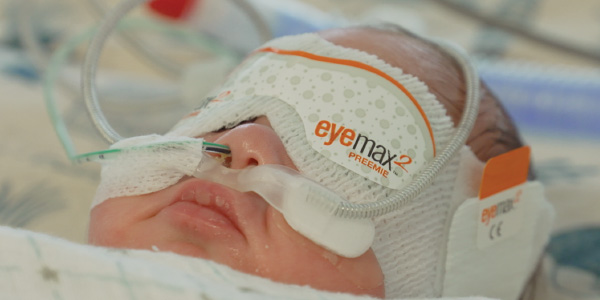
A simple set of eye masks and ear plugs – an inexpensive solution explored in a successful pilot study by The Kids Research Institute Australia, together with the Child and Adolescent Health Service – could hold the key to better outcomes for our tiniest bubs. Now, a nationwide clinical trial is testing the idea

The Kids Research Institute Australia disability researcher, Associate Professor Helen Leonard, played an important role in the identification of the differences that define CDD, thanks to her extensive experience researching Rett syndrome and running an Australian online database tracking Rett cases.
Australian authorities made COVID-19 vaccines available for children aged under 5 years old with serious comorbidities in August 2022. There is presently no universal programme for young children, but crucial to any rollout's success is whether parents are motivated and able to vaccinate. By examining parents' vaccine intentions, this study aims to inform current and future COVID-19 vaccine roll-outs for children aged under 5 years.
The unprecedented global rise in mental anguish is closely linked with the erosion of our social fabric, economic and political systems, and to our natural environments. We are facing multiple new large-scale threats to health, safety, and security, with a growing lack of trust in others and in authorities.
This study highlights the importance of human milk in providing anti-severe acute respiratory syndrome coronavirus 2 immunity to newborns. The highest protective activity of human milk against COVID-19 was found in colostrum from infected mothers.
Syphilis remains a global public health concern, particularly in pregnancy due to the risk of congenital syphilis. The WHO recommends benzathine penicillin G (BPG) as the standard treatment in pregnant women, whilst the optimal dosing strategy has not been established, particularly in relation to the impact of gestational age. This study sought to characterize the pharmacokinetics (PK) of a three-dose regimen of intramuscular BPG, given at weekly intervals, in pregnant women with syphilis.
Rapid blood culture pathogen identification facilitated by matrix-assisted laser desorption ionisation time-of-flight and GeneXpert has the potential to improve antibiotic prescribing. This study investigates the impact of these rapid diagnostics on the timeliness of effective and optimal antibiotic prescribing in paediatric patients with bacteraemia.