
Search
Showing results for "early lung health"
Gender- and sexuality-diverse (GSD) youths are at increased risk of depression and anxiety compared with their cisgender and heterosexual counterparts. Little is known about the risks for younger GSD adolescents (<15 years).
The observed decline in children's active school transport (AST) across numerous countries over recent decades necessitates targeted, multi-level interventions to reverse this trend. However, data on young people's preferred AST interventions is lacking. This study aimed to explore children's preferences for AST interventions and assess differences between AST users and non-users among primary and secondary school students.
Longitudinal analyses showed that for each increase in liquor stores over time, alcohol consumption increased
There is limited longitudinal evidence supporting a link between food outlet locations and dietary outcomes to inform policy and urban planning. This study examined how longitudinal changes in the local food environment within new residential developments.
Long-term physical and mental health outcomes of ART singletons are generally reassuring. There is a scarcity of information on health service utilization...

Researchers at the Telethon Kids Institute will study the health impacts of energy drinks on young people and develop guidelines for reducing consumption.
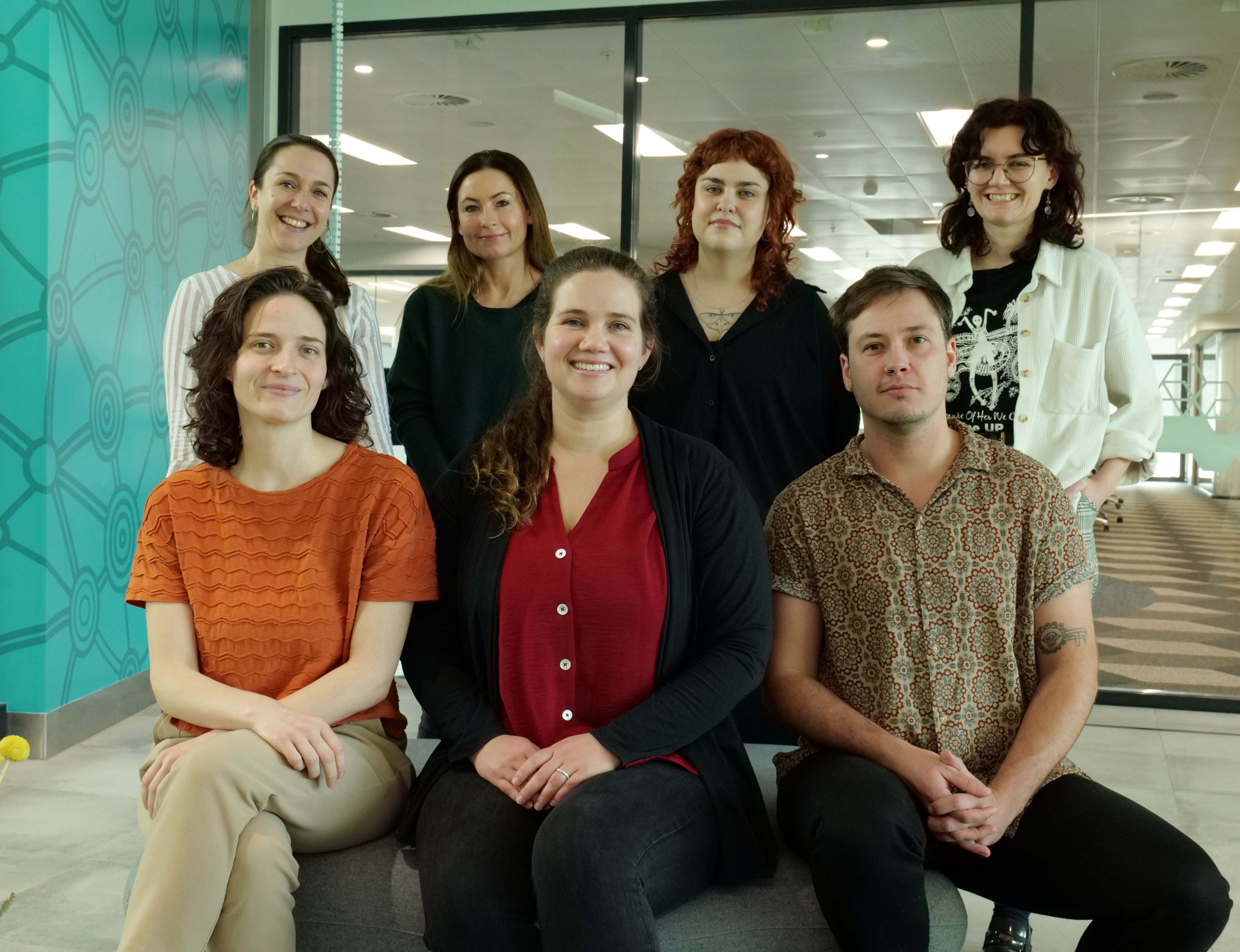
Dr Penelope Strauss will update the seminal Trans Pathways, after receiving the 2025 Embrace Big Idea award

Embrace @ The Kids Research Institute Australia's Dr Alix Woolard is hosting our new podcast, Embracing the Mind

Research from The Kids has revealed that approximately half of supposed 'educational' content for parents on TikTok is being uploaded by a creator without any expertise.

A major gap in tackling the mental health crisis in WA is the inability to effectively treat children and adolescents with a history of trauma within the current system.