
Search
Showing results for "early childhood"
To establish the priorities of primary care providers to improve assessment and treatment of skin sores and sore throats among Aboriginal and Torres Strait Islander people at risk of acute rheumatic fever (ARF) and rheumatic heart disease (RHD).
Malaria remains a leading cause of illness and death globally, with countries in sub-Saharan Africa bearing a disproportionate burden. Global high-resolution maps of malaria prevalence, incidence, and mortality are crucial for tracking spatially heterogeneous progress against the disease and to inform strategic malaria control efforts. We present the latest such maps, the first since 2019, which cover the years 2000–22. The maps are accompanied by administrative-level summaries and include estimated COVID-19 pandemic-related impacts on malaria burden.
Skin infection burden in remote Aboriginal communities can be reduced by the See, Treat, Prevent (SToP skin sores and scabies) trial
The Skin Health Situational Analysis was conducted in 2017 with and for stakeholders in the Kimberley region as a precursor to the SToP Trial to highlight all that was already known prior to commencement in 2018. It was completed to be a resource for communities in the Kimberley who would like to de
The mission of SAVAC, the Strep A Vaccine Global Consortium, to ensure that safe, effective and affordable Strep A vaccines are available and implemented to decrease the burden of Strep A disease in the most in need.
Neurodiversity refers to the different ways that people experience and interact with the world around them. Each person’s brain works differently, meaning no two brains are the same.
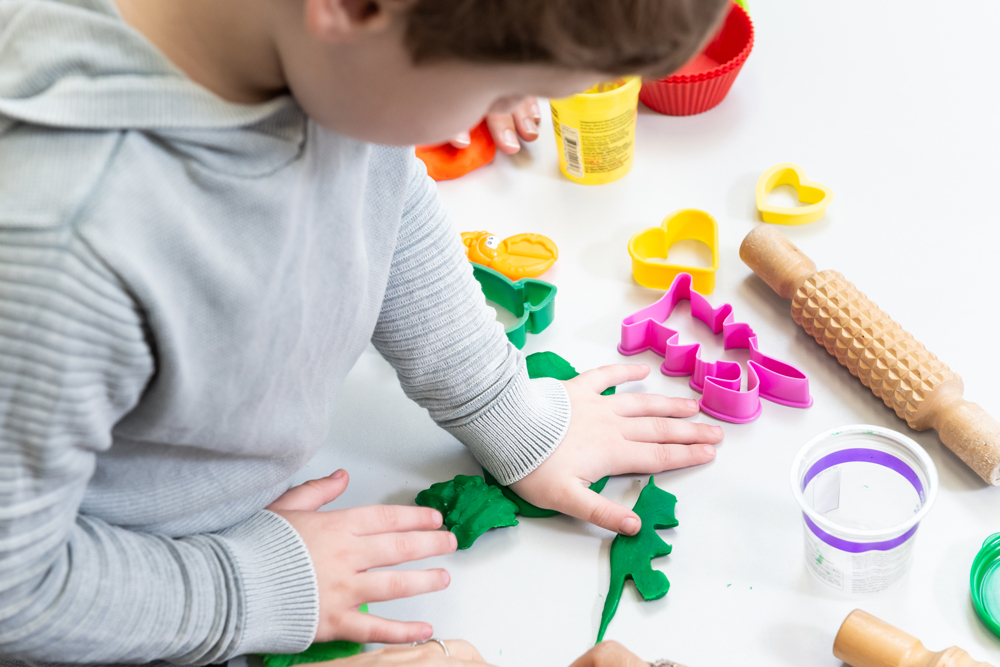
The language we use shifts over time and the words we use are important. At CliniKids, we are committed to using language that is neuroaffirming and preferred by the autistic community.
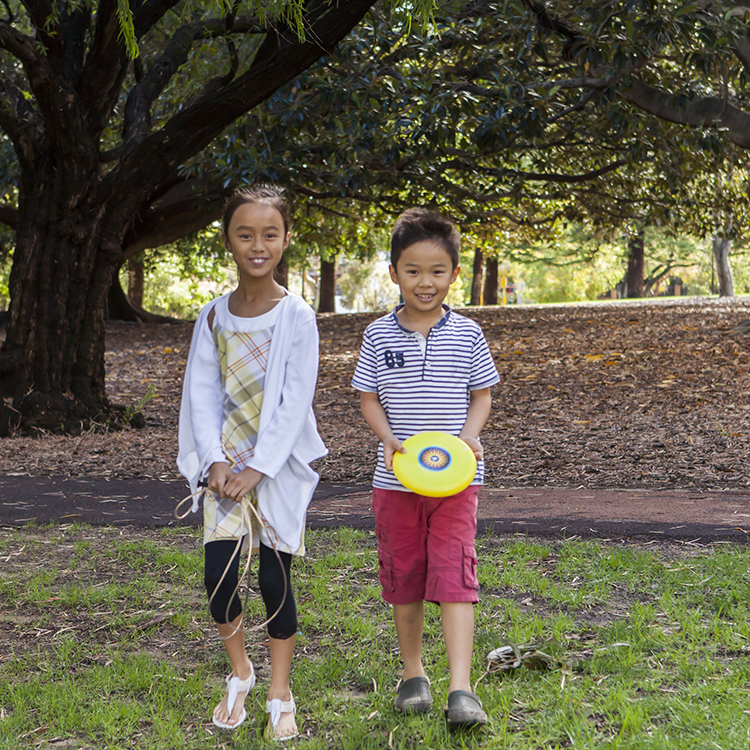
Our Child Health Analytics Team uses cutting-edge technologies to better understand how and why the health and wellbeing of children varies from place to place. We develop innovative geospatial methods that can harness large, complex datasets to pinpoint hotspots of elevated risk, evaluate change through time, and explore underlying drivers.
Our skin, the body’s largest organ, protects us and maintains overall health. Untreated recurring skin infections like impetigo and scabies severely impact children. The Kids is at the forefront of combatting skin infections, particularly within remote Aboriginal communities experiencing some of the world’s highest rates.

The Youth Mental Health team’s vision is to improve the mental health of young people, their families and communities locally, nationally, and internationally.