
Search
Showing results for "Childhood interstitial lung disease "
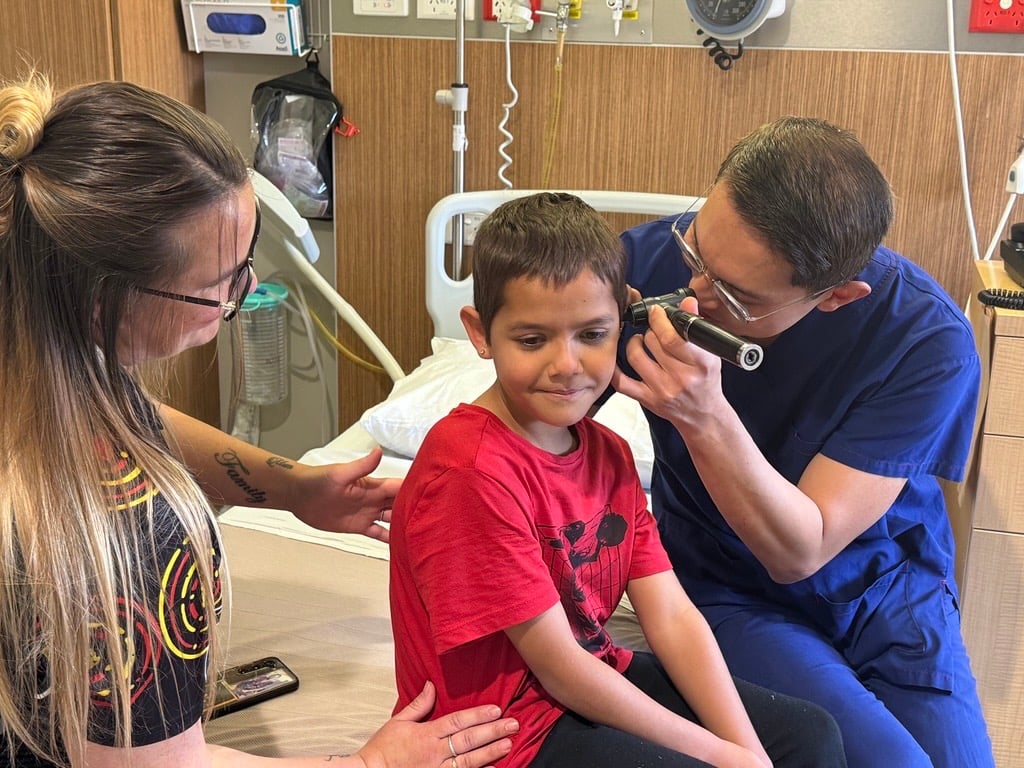
Painful ear infections and muffled sounds are a thing of the past for 100 Aboriginal children who have received free grommet surgery thanks to the Djaalinj Waakinj (listening and hearing) Ear Health program.

The Kids Research Institute Australia today announced that Professor Jonathan Carapetis AM will step down as Executive Director in July 2026, after 14 years of distinguished leadership.
Subcutaneous delivery of antibiotics is a practical alternative to intravenous administration. Ceftriaxone is commonly used for a variety of infections with limited data on the safety and pharmacokinetics of a 2 g subcutaneous dose. This was a prospective, self-controlled cross-over study in 20 stable inpatients receiving ceftriaxone for their infection. Following an intravenous dose, participants received a single dose of 2 g subcutaneous ceftriaxone, in 50 mL normal saline via gravity feed.
The success of cancer immunotherapies has highlighted the importance of monitoring the anti-tumour T cell response. Patients with mesothelioma frequently present with a malignant pleural effusion (MPE) that is commonly drained regularly to alleviate symptoms. As MPE contains tumour cells, T cells and cytokines, it provides a unique opportunity to sample immune events at the tumour site.
High nasopharyngeal pneumococcal carriage density is associated with severe pneumonia; however, little is known about factors that affect pneumococcal carriage density including pneumococcal vaccination. We describe pneumococcal density by clinical and demographic factors, and effect of 13-valent pneumococcal conjugate vaccine (PCV13) on density in Papua New Guinea (PNG), Lao People’s Democratic Republic (Lao PDR) and Mongolia, 3–6 years following national PCV13 introduction.
The rapid diagnosis of influenza is critical in optimizing clinical management. Rapid antigen tests have decreased sensitivity in detecting pandemic influenza.
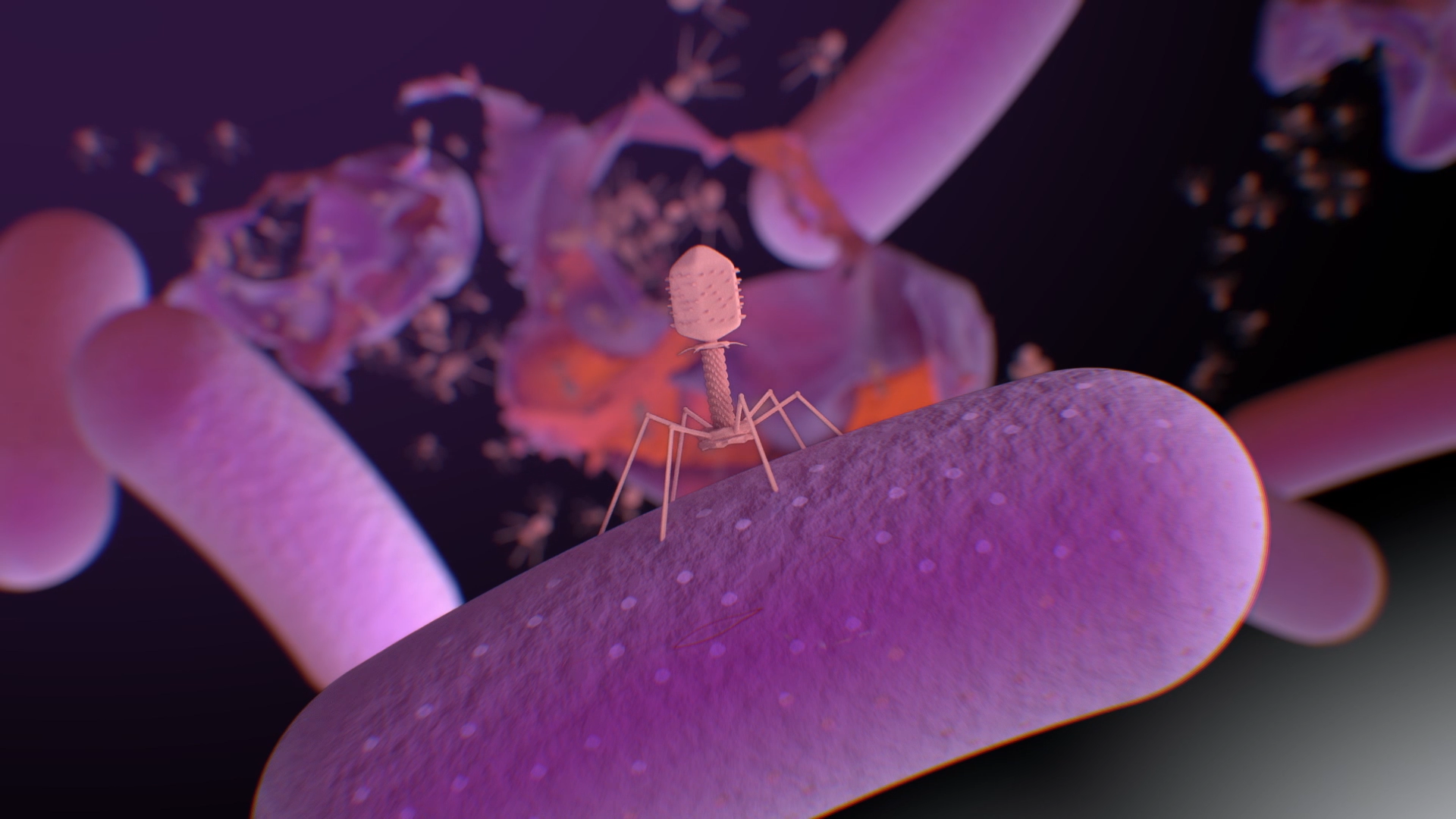
Community involvement plays an integral role in guiding our research - find out how.
Using information from the Australian Rett Syndrome database, we coded symptoms according to severity scales and grouped by type and location of mutation.
Valerie Verhasselt MD, PhD Head, Immunology and Breastfeeding 0402997617 Valerie.verhasselt@thekids.org.au Head, Immunology and Breastfeeding @
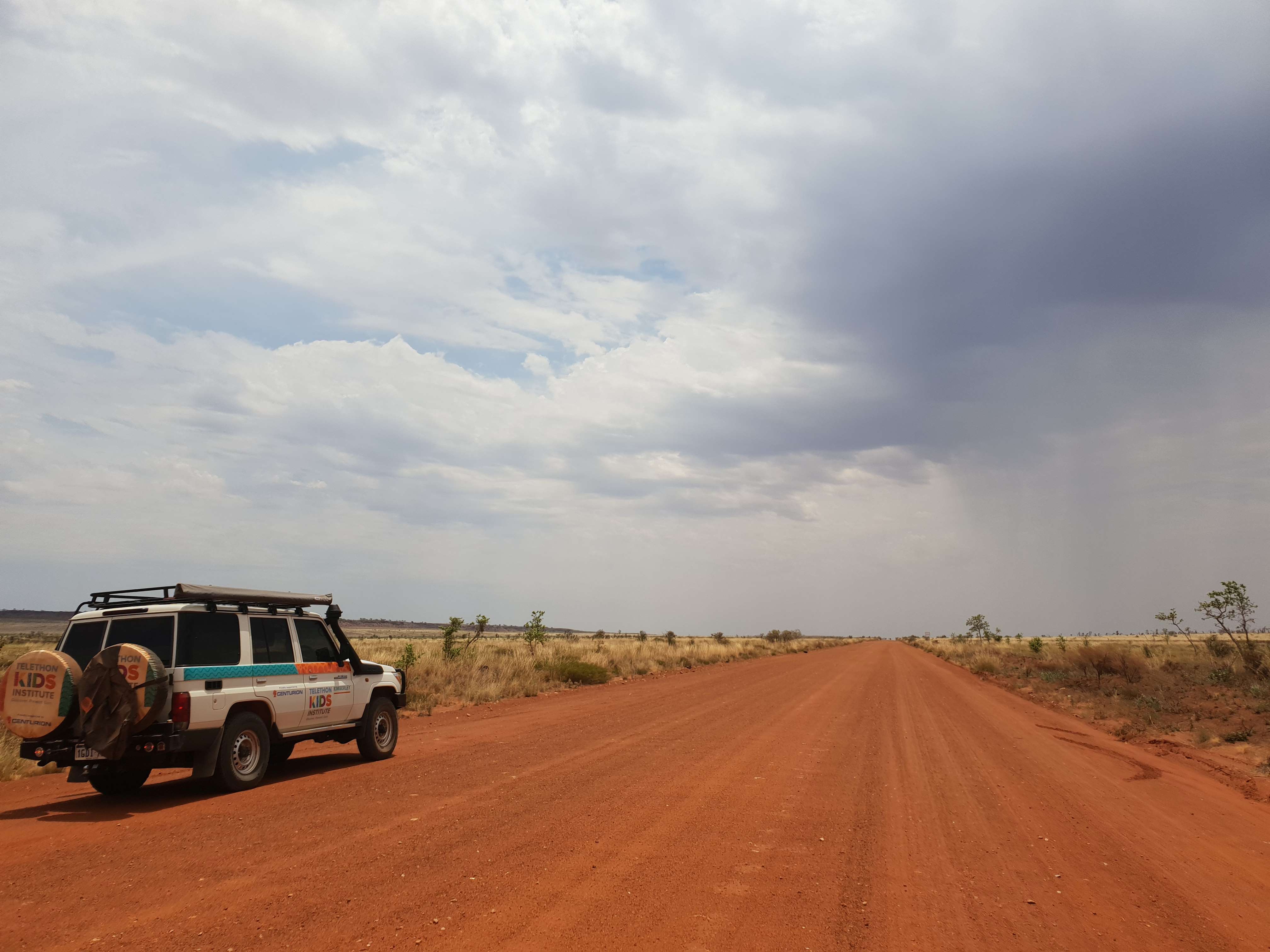
Led by The Kids Research Institute Australia and Aboriginal health organisations in close partnership with nine Aboriginal communities in Western Australia’s Kimberley region, the five-year SToP Trial set out to identify the best possible methods to See, Treat and Prevent painful skin sores and scabies.