
Search
Showing results for "mental health aboriginal"

Head, Strong Beginnings Research, Co-head Foundations of Lung Disease

PhD Candidate and Research Assistant

Perth’s The Kids Research Institute Australia has praised the Food Safety Ministers of Australia and New Zealand for standing firm and putting children first by approving the recommended red, black and white mandatory warning label on alcohol products.
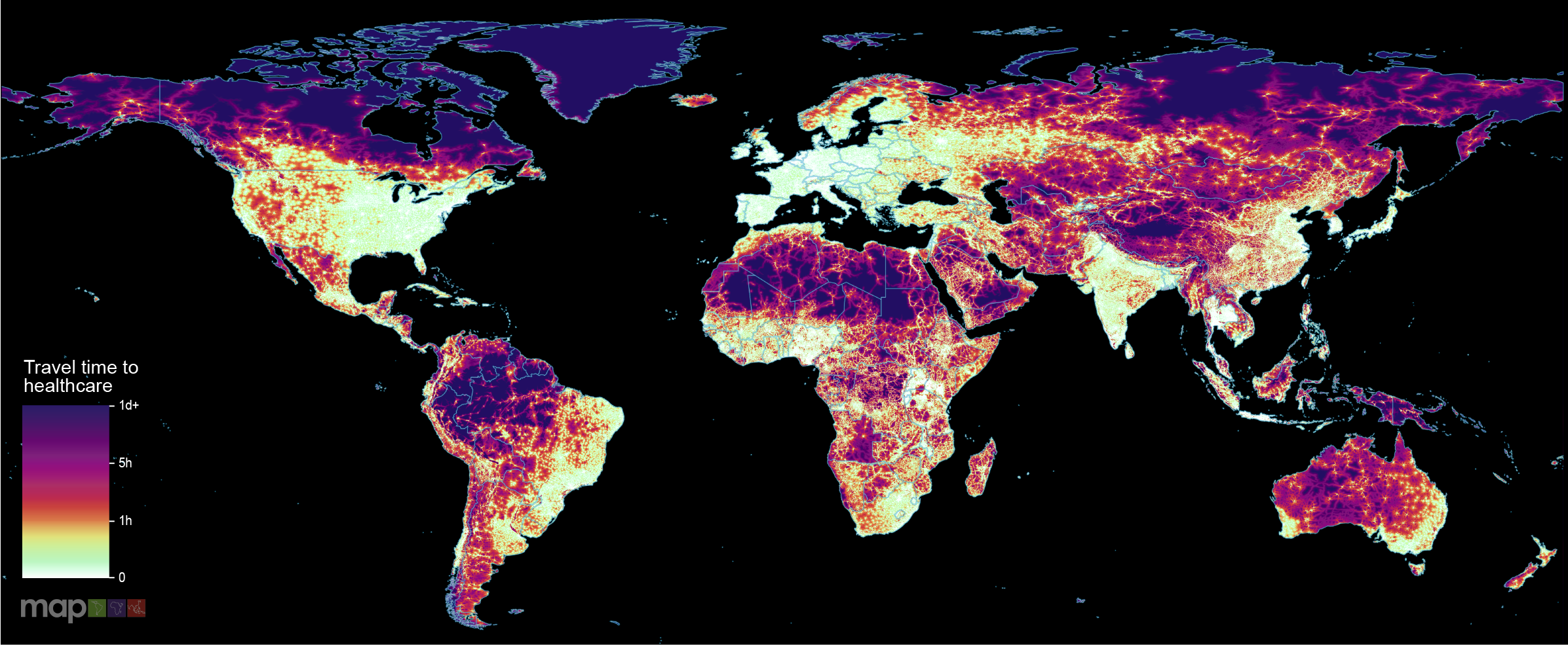
New research which maps the entire global population’s travel time to their nearest healthcare facility has revealed major inequalities in access to healthcare depending on whether people have access to motorised transport or not.
The objective of this study was to assess whether emergency department (ED) overcrowding was reduced after the introduction of the 4-hour rule in WA hospitals.
The objective of this study was to measure alcohol-related harms to the health of young people presenting to emergency...
Much information exists about functions of the human placenta and about potential mechanisms by which the placenta may influence human health or disease...
Over the last decade, there has been growing concern about the possible health effects, including a number of adverse reproductive outcomes, from pesticide...
Though exposure to air pollution has a detrimental effect on respiratory health, few studies have examined the association between elemental carbon exposure...
This paper discusses changes in diagnostic criteria, decreasing age at diagnosis, improved case ascertainment, diagnostic substitution, and social influences.