
Search
Showing results for "Childhood interstitial lung disease "
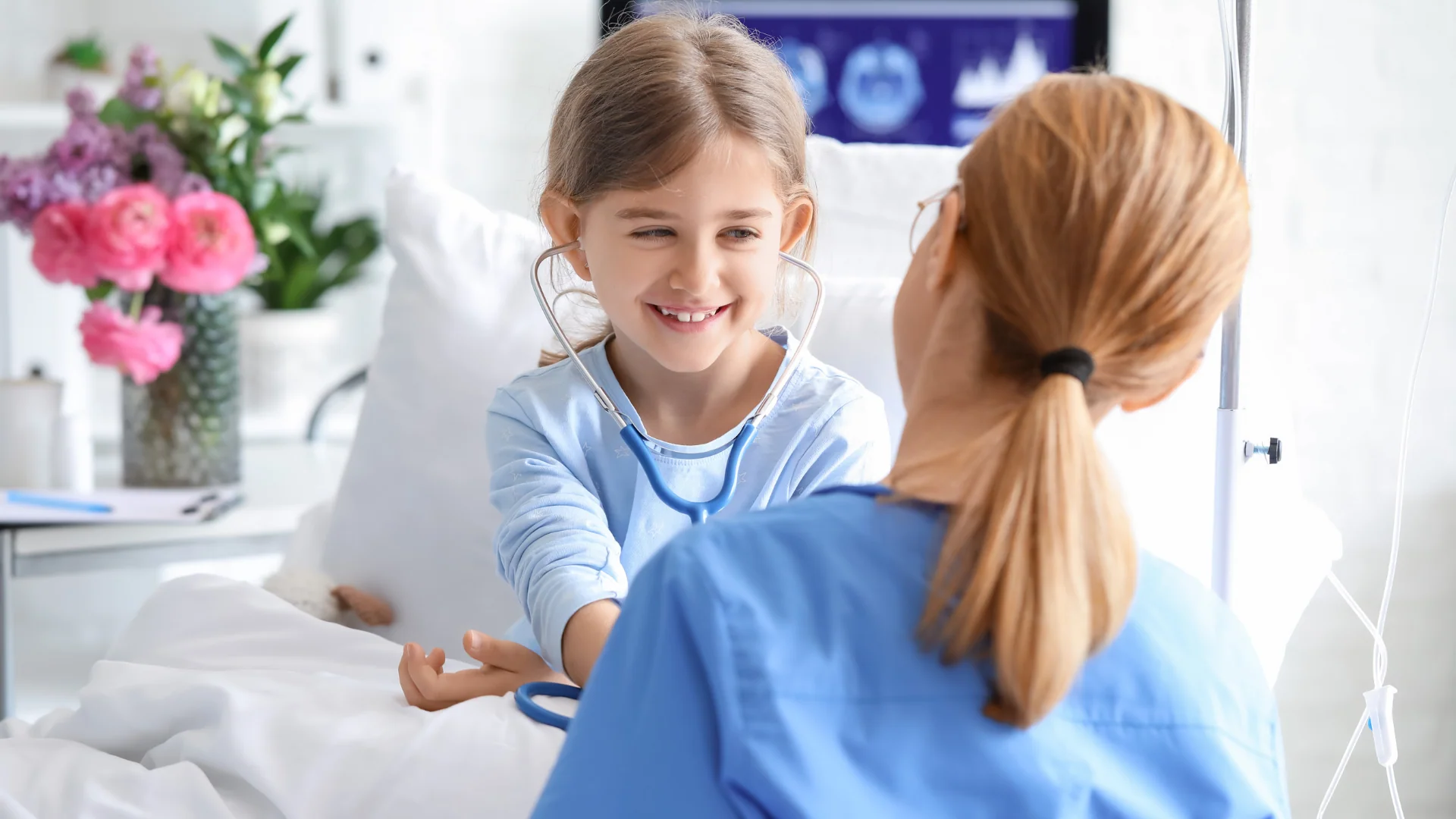
Our research focuses on identifying practical ways to provide trauma-informed care for children and families visiting the hospital.
Approximately 13,000 children in Australia live with moderate to severe intellectual disability.
Helen Jenny Keely Leonard Downs Bebbington MBChB MPH BApplSci (physio) MSc PhD MClinPsych/PhD Principal Research Fellow Head, Child Disability
Helen Jenny Leonard Downs MBChB MPH BApplSci (physio) MSc PhD Principal Research Fellow Head, Child Disability +61 419 956 946 08 6319 1763

Australia’s first needle-free, gene-based COVID-19 vaccine study will be spear-headed in WA by The Kids Research Institute Australia thanks to almost $6 million in Coronavirus Research Response funding announced by Health Minister Greg Hunt.
The rollout of vaccines against COVID-19 is prompting governments and the private sector to adopt mandates. However, there has been little conceptual analysis of the types of mandates available, nor empirical analysis of how the public thinks about different mandates and why. Our conceptual study examines available instruments, how they have been implemented pre-COVID, and their use for COVID-19 globally.
The “Earthrise” photograph, taken on the 1968 Apollo 8 mission, became one of the most significant images of the 20th Century. It triggered a profound shift in environmental awareness and the potential for human unity—inspiring the first Earth Day in 1970. Taking inspiration from these events 50 years later, we initiated Project Earthrise at our 2020 annual conference of inVIVO Planetary Health.
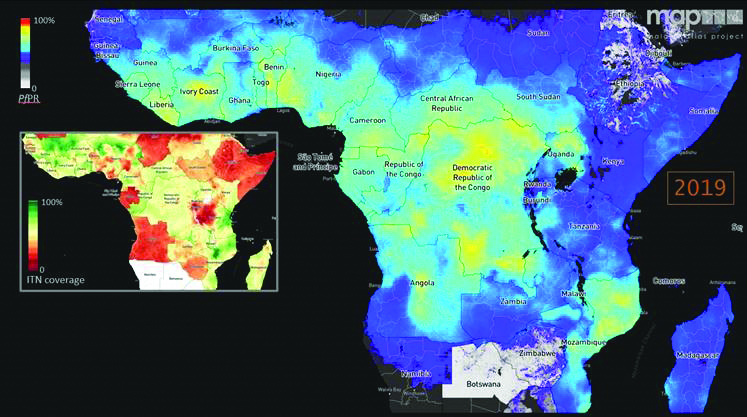
A global network of researchers led by Kerry M Stokes Chair of Child Health, Professor Pete Gething, is working to help support informed decision-making for malaria control at international, regional and national scales.
T-cell activation induces context-specific gene expression programs that promote energy generation and biosynthesis, progression through the cell cycle and ultimately cell differentiation. The aim of this study was to apply the omni ATAC-seq method to characterize the landscape of chromatin changes induced by T-cell activation in mature naïve CD4+ T-cells.
The ecology of the early environment - including microbial diversity, nutrition, nature, social interactions and the totality of exposures in the wider "exposome" - have life-long implications for all aspects of health and resilience. In particular, the emergence of "microbiome science" provides new evidence for vital relationships between biodiversity and health at every level.