
Search
Showing results for "mental health aboriginal"
The need for coronavirus 2019 (COVID-19) vaccination in different age groups and populations is a subject of great uncertainty and an ongoing global debate. Critical knowledge gaps regarding COVID-19 vaccination include the duration of protection offered by different priming and booster vaccination regimens in different populations, including homologous or heterologous schedules.
Type 1 interferons (T1IFNs) are typically expressed in low concentrations under homeostatic conditions, but upon pathogenic insult or perturbation of the pathway, these critical immune signaling molecules can become either protectors from or drivers of pathology. While essential for initiating antiviral defense and modulating inflammation, dysregulation of T1IFN signaling can contribute to immunopathology, making it and its associated pathways prime targets for immune evasion and disruption by pathogens.
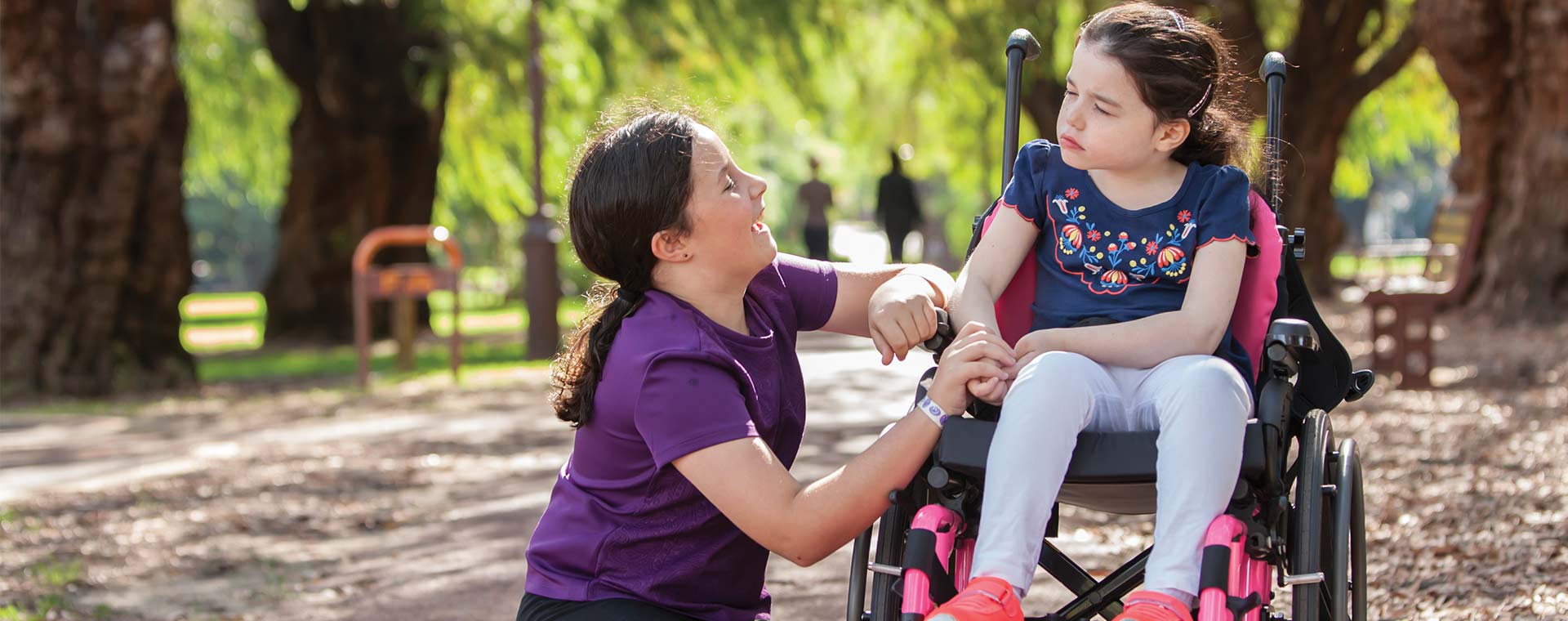
For Perth researcher Ami Bebbington, mathematics is a vital tool in her personal and professional quest to improve the lives of children everywhere.
Vanessa Timo Fear Lassmann BSc (Hons), PhD BSc (Hons) MSc PhD Head, Translational Genetics Team Feilman Fellow; Head, Precision Health Research and

A new The Kids Research Institute Australia-led report into the impact of state and national policy on children’s health has called for kids and families to have more say when it comes
Six out of ten ‘nicotine-free’ e-cigarette liquids analysed by The Kids Research Institute Australia researchers contained nicotine as well as an acutely toxic chemical typically found in pesticides and disinfectants.
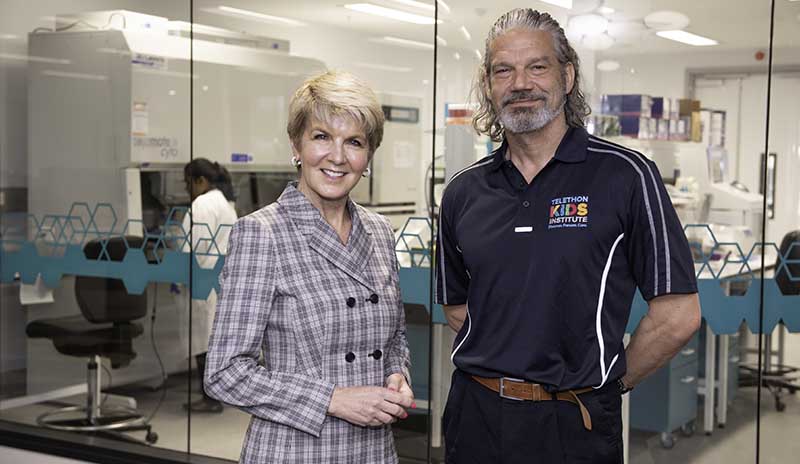
The Kids Research Institute Australia Chair Hon. Julie Bishop will join the international Human Vaccines Project’s Board of Directors on its mission to address the next frontier of human health – decoding the human immune system to transform how we prevent, diagnose and treat disease.

Researchers into fetal alcohol spectrum disorder (FASD) have welcomed the Federal Government’s announcement of a ten-year national action plan that will drive efforts to reduce the impact of FASD on individuals, families and communities.

Two outstanding researchers from the Wal-yan Respiratory Research Centre have been awarded a 2022 Innovation Fellowship supported by the WA Government's Future Health Research and Innovation (FHRI) Fund.
Help us discover a way to expand protection for the next generation.