
Search
Showing results for "Childhood interstitial lung disease "
Sepsis, for children and their parents, is a life-altering illness with far-reaching psychosocial and physical impacts. We aimed to explore the needs of such patients and their parents after hospital admission for sepsis to inform the development of a Western Australian postsepsis care service.
Management and outcomes of children hospitalised with acute SARS-CoV-2 infection may differ throughout the pandemic or with admission type (clinical COVID-19, incidental COVID-19 or nosocomial infection).
Acute rheumatic fever is an immune-mediated condition triggered by Streptococcus pyogenes sore throat and possibly skin infection, with a substantial burden in resource-limited settings. Clinical decision rules (CDRs) are commonly used to guide antibiotic treatment of sore throat based on signs and symptoms, but their diagnostic accuracy varies by study and setting. This work aimed to assess the accuracy of multiple CDRs in Fiji to diagnose S. pyogenes sore throat.
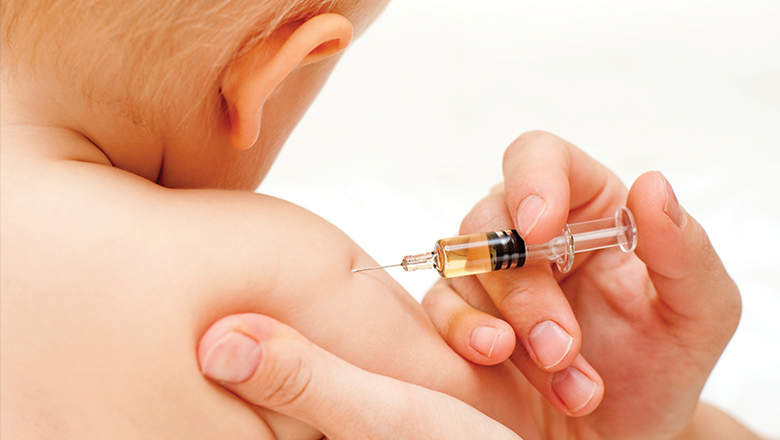
We all know how important it is to vaccinate a child against harmful diseases but vaccinating a child at the right wrong age can cost lives.
You are invited to register to attend the National Indigenous Immunisation Research Workshop 2013: lessons learnt and future directions Workshop.
A new study has found that swimming pools in remote Aboriginal communities can dramatically reduce rates of skin, ear and chest infections
Trial of new vaccine that could provide women with additional protection against Human Papillomavirus (HPV) types known to cause cervical cancer.
The National Human Papillomavirus (HPV) Vaccination Program in Australia commenced in 2007 for females and in 2013 for males, using the quadrivalent HPV...
Invasive pulmonary aspergillosis remains a major cause of morbidity and mortality for immunocompromised children, particularly for patients with acute leukaemia and those undergoing haematopoietic stem cell transplantation. Timely diagnosis, using a combination of computed tomography (CT) imaging and microbiological testing, is key to improve prognosis, yet there are inherent challenges in this process. For CT imaging, changes in children are generally less specific than those reported in adults and recent data are limited.
Marketing unhealthy products by multinational corporations has caused considerable harm to individual health, collective wellbeing, and environmental sustainability. This is a growing threat to all societies and a significant contributor to the rising global burden of non-communicable diseases and early mortality.