
Search
Showing results for "mental health aboriginal"
Learn how new technology is fast-tracking diagnoses for kids with rare diseases.
Jimmy’s battle with RSV reminds us that research can change young lives.
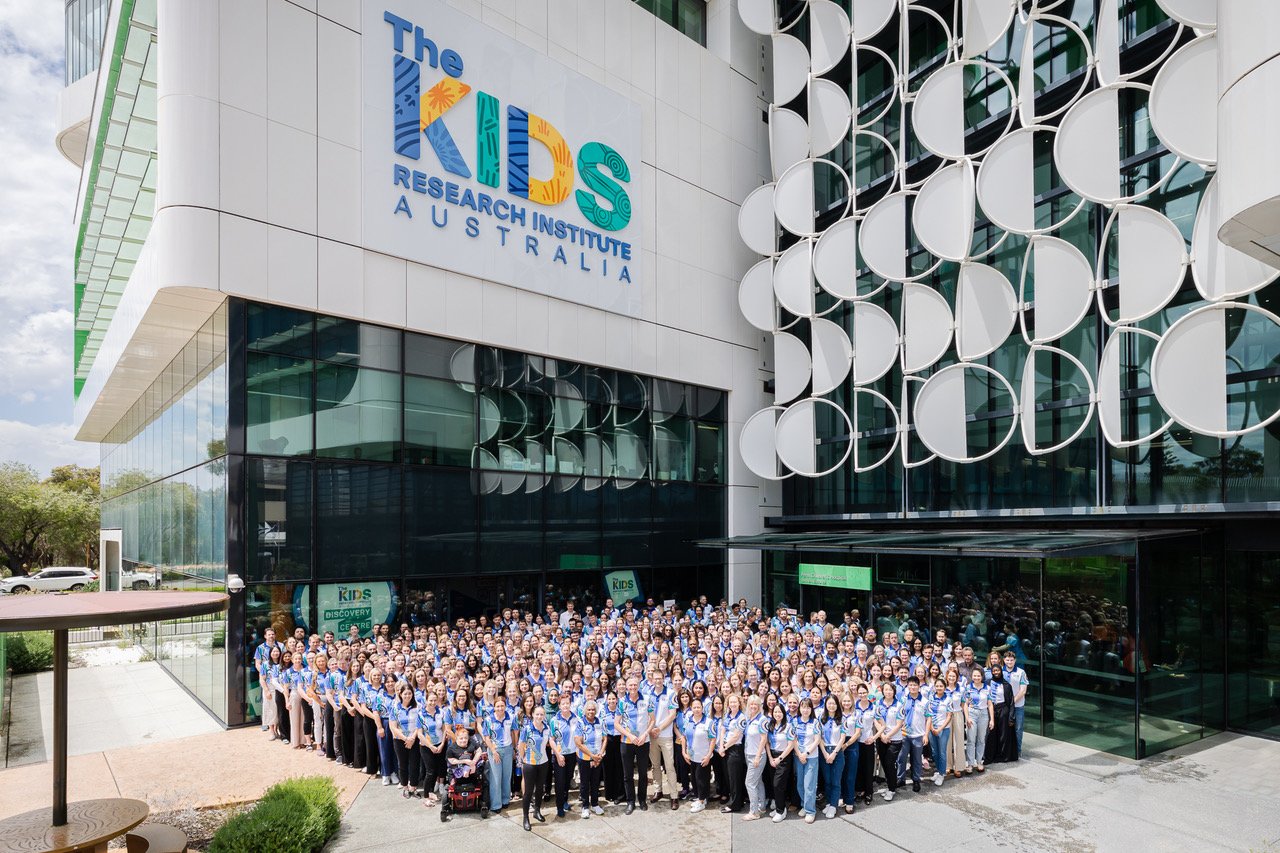
Last week, The Kids Research Institute Australia celebrated a remarkable milestone – 35 years of bold ideas, groundbreaking research, and the people who find answers to the big questions about better health outcomes for children and families.
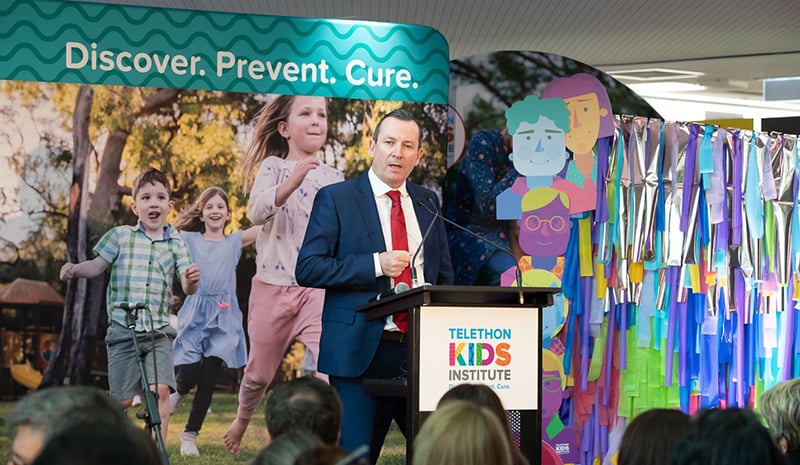
Budding young scientists can now gain an insight into the world of research thanks to The Kids Research Institute Australia’s newly opened Discovery Centre.
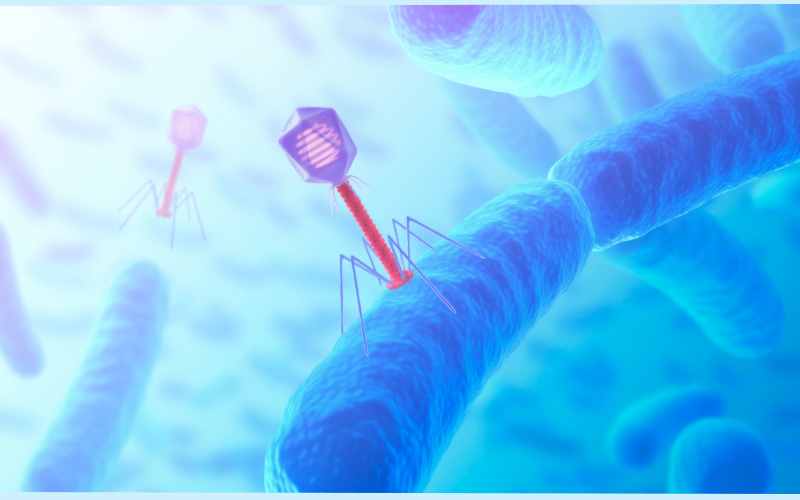
The Wal-yan Respiratory Research Centre is seeking expressions of interest from Western Australians to join an Antimicrobial Resistance (AMR) Community Reference Group, to provide vital community perspectives on the research activities into this global health concern.
Globally, life expectancy from birth increased from 61·7 years in 1980 to 71·8 years in 2015
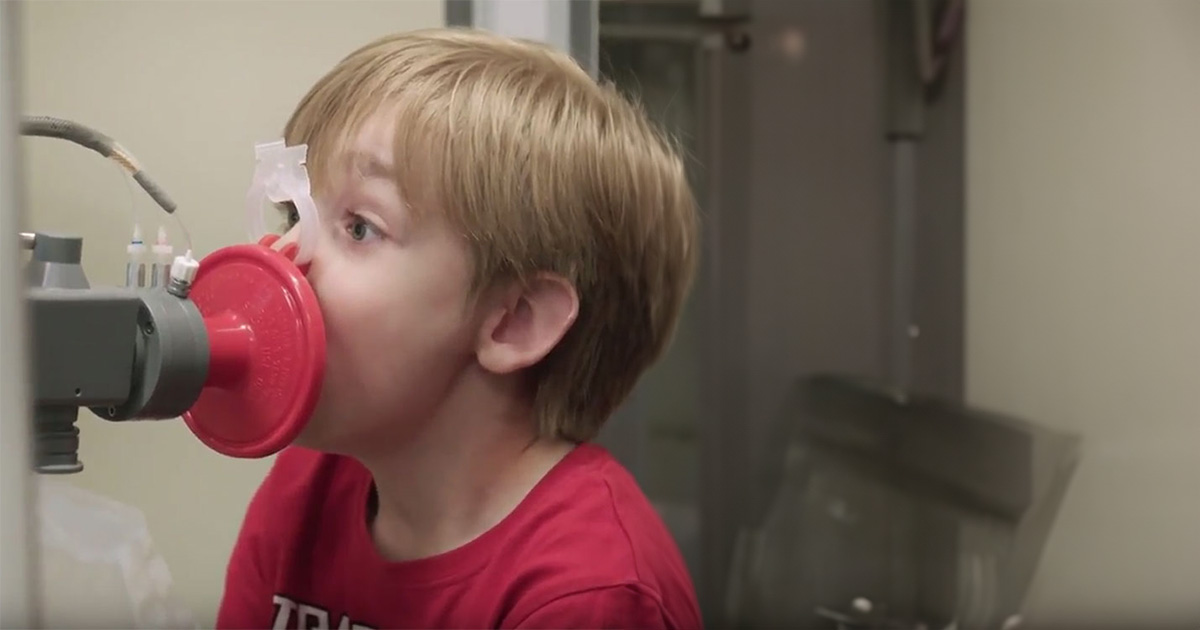
Children who live in the outer suburbs of Australia’s four biggest cities are twice as likely to have asthma as those living in inner city areas, according to a new study based on health data captured in the last Australian Census.
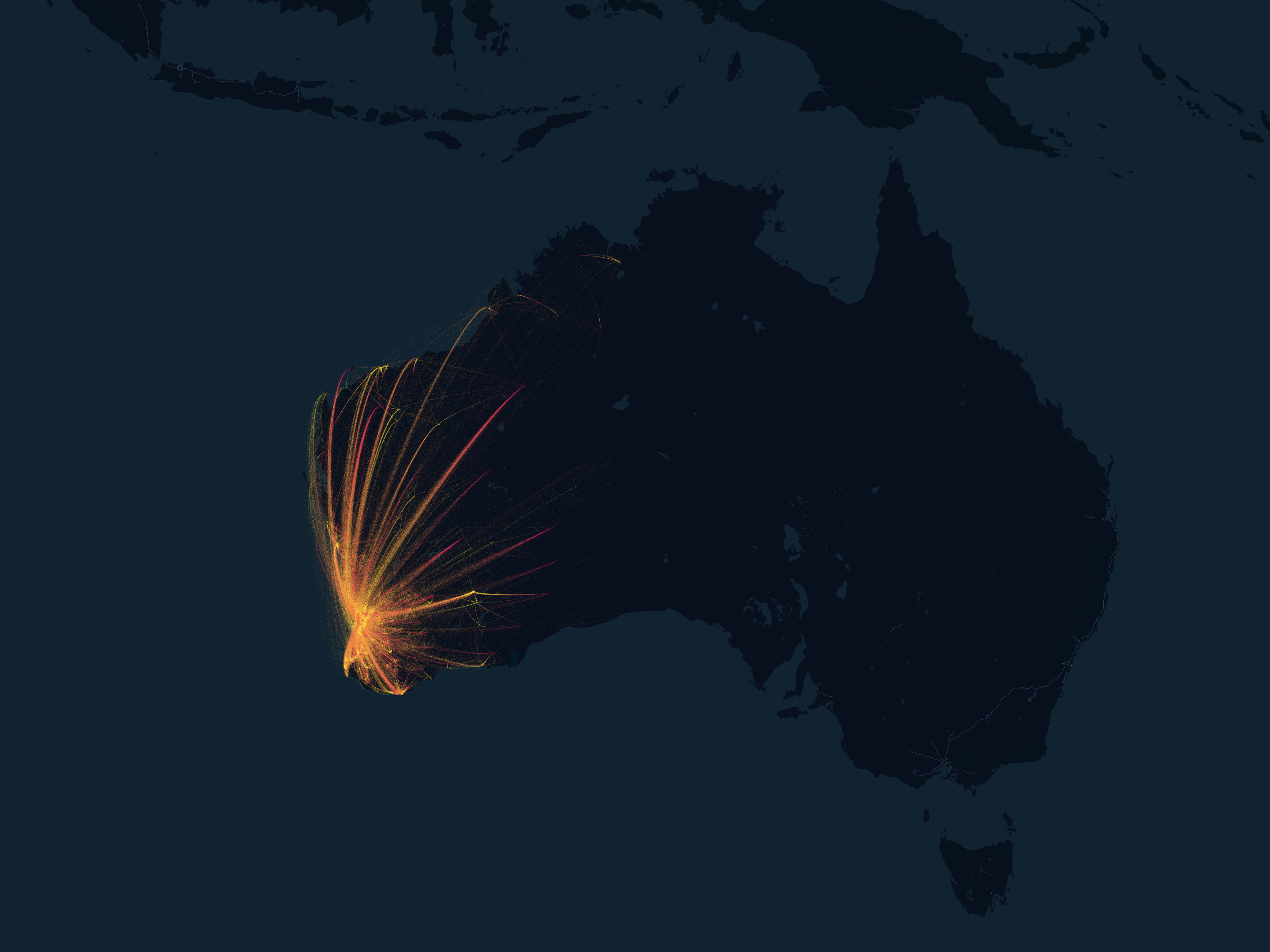
Researchers have developed a new model for simulating covid-19 outbreaks in Western Australia.
We begin with isotropic Gaussian random fields, and show how the Bochner-Godement theorem gives a natural way to describe their covariance structure. We continue with a study of Matérn processes on Euclidean space, spheres, manifolds and graphs, using Bessel potentials and stochastic partial differential equations (SPDEs).
Vaccination to prevent infectious disease is one of the most successful public health interventions ever developed. And yet, variability in individual vaccine effectiveness suggests that a better mechanistic understanding of vaccine-induced immune responses could improve vaccine design and efficacy.