
Search
Showing results for "Childhood interstitial lung disease "

A new The Kids Research Institute Australia-led report into the impact of state and national policy on children’s health has called for kids and families to have more say when it comes
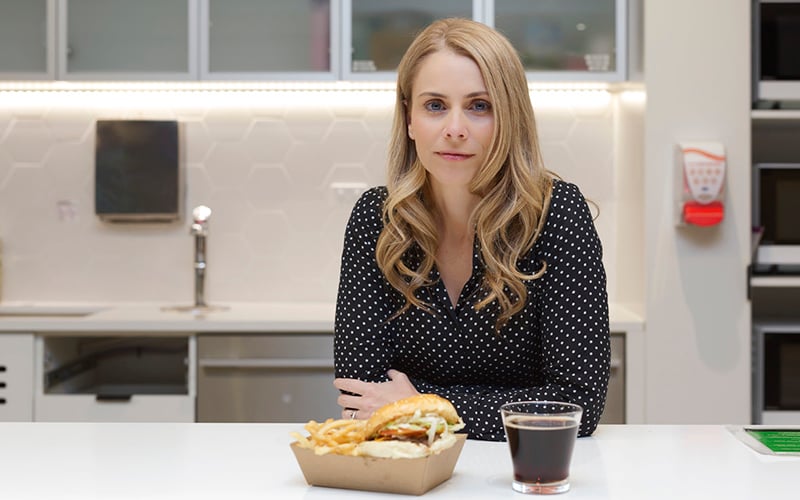
Perth children are being exposed to thousands of junk food ads every year on their way to and from school, a study led by The Kids Research Institute Australia has found.

A dose of the whooping cough vaccine might reduce cases of childhood food allergies according to latest research by the Wesfarmers Centre of Vaccines and Infectious Diseases based at The Kids Research Institute Australia.
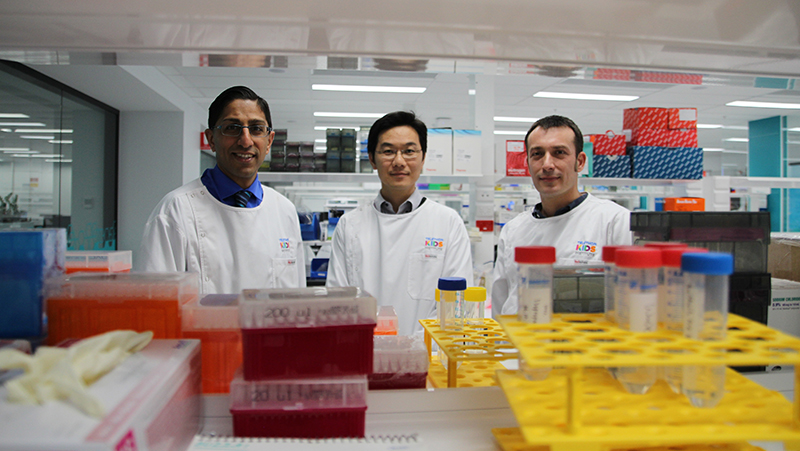
Kids born with Down syndrome are at high risk of an array of health problems. One of the lesser-known complications is their increased risk of childhood leukaemia.
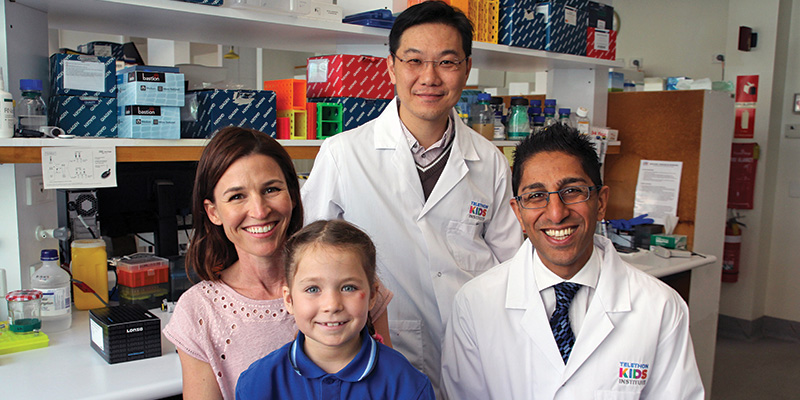
When three-year-old Flo Parker injured her hip on a camping trip five years ago, her parents thought it would be nothing more than a common childhood injury.
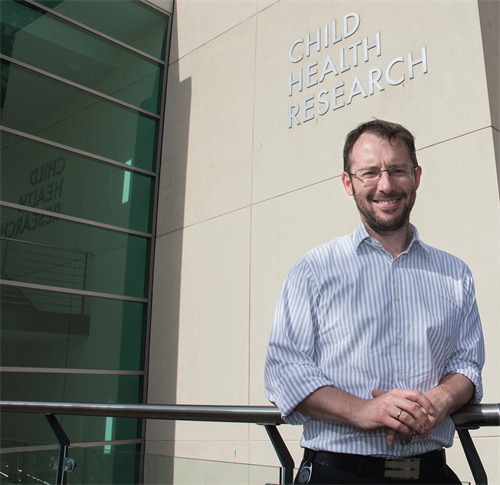
Researchers from The Kids Research Institute Australia and Curtin University will use a $3.9 million grant from the National Health and Medical Research Council to investigate whether a type of whooping cough vaccine could provide bonus protection against food allergies and eczema.

Dr Tom Snelling from The Kids explains the top five things you should know about the virus and why having the measles vaccine is so important.
The Cancer Immunology team at The Kids is investigating how the body's 'natural killer' cells can be harnessed to fight cancer – whilst also protecting kids from nasty chemotherapy side effects.
Two years on, Michelle and Dartanyon’s health and quality of life have significantly improved. We caught up with Michelle to hear about their journey since we first met them.
In Australia, community playgroups are seen as the ‘soft touch’. But a research project in Tonga is finding the benefits can last a lifetime.