
Search
Showing results for "early lung health"
Diagnosis and treatment initiation delays for tuberculosis (TB) are significant challenges in resource-limited settings. These delays can result in poor treatment outcomes, disease transmission, and increased costs. This study aimed to assess the effect of integrating traditional care with modern healthcare systems on reducing TB diagnosis delay.
Knowing when and where infected mosquitoes bite is required for estimating accurate measures of malaria risk, assessing outdoor exposure, and designing intervention strategies. This study combines secondary analyses of a human behaviour survey and an entomological survey carried out in the same area to estimate human exposure to malaria-infected Anopheles mosquitoes throughout the night in rural villages in south-eastern Tanzania.
Research Support Officer

Research Assistant

Johanna Rewa is a Program Manager in the Human Development and Community Wellbeing (HDCW) team at The Kids Research Institute Australia.
Kai Age 19. Youth advocate, project community member. I am very passionate about LGBTQIA+ research, mental health and homelessness. The first time I
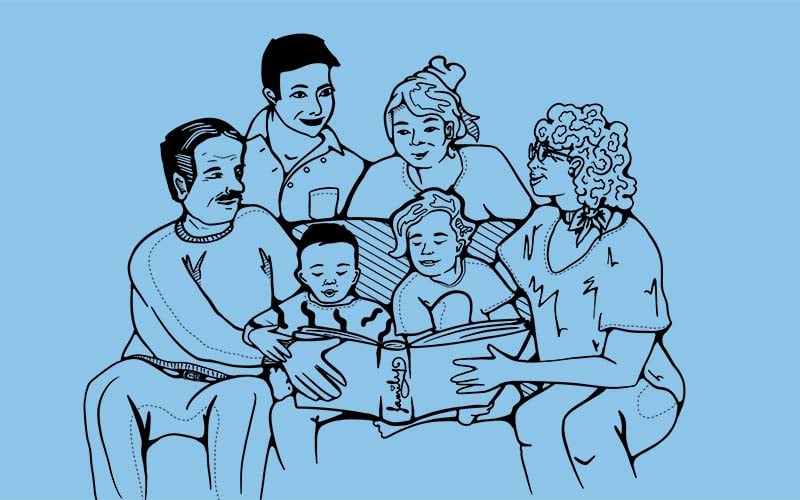
Transforming Families is providing evidence-based resources to help support the mental wellbeing of young people questioning their gender identity, or who identify as trans or gender diverse.
Undernutrition is a major risk factor for tuberculosis (TB), which is estimated to be responsible for 1.9 million TB cases per year globally. The effectiveness of micronutrient supplementation on TB treatment outcomes and its prognostic markers (sputum conversion, serum zinc, retinol and haemoglobin levels) has been poorly understood.
To investigate the association between the lack of dental service utilisation and dental caries in Australian Indigenous children.
The aim of this study was to describe clinical characteristics, outcomes and causes of microcephaly in children whose condition was identified within the first year of life.