
Search
Showing results for "Childhood interstitial lung disease "

A researcher's work from 20 years ago has helped to crack one of biology’s biggest mysteries.
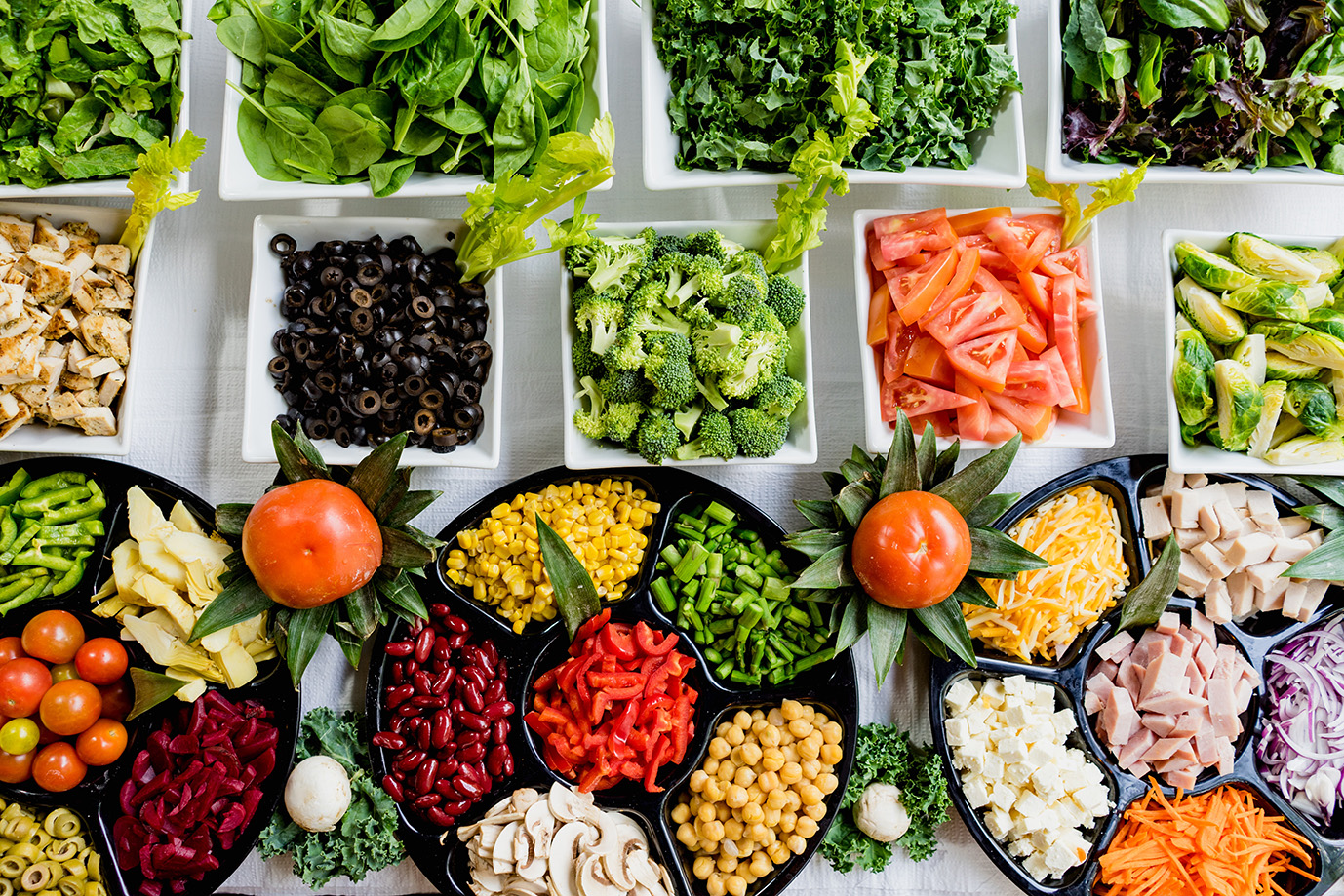
The first Australian study to evaluate the nutritional content of Kids’ Menus at restaurants and cafés has found the overwhelming majority are unhealthy.
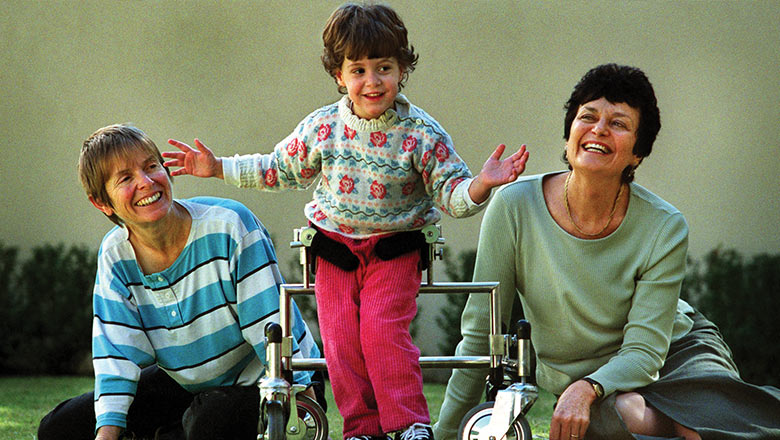
Cerebral palsy is not only the result of birth trauma and the lack of oxygen supply during delivery.
Research has found a link between the number of stressful events experienced during pregnancy and increased risk of behavioural problems in children.
This project analysed AEDC results across Australia, to identify communities with significant improvement (decreases in developmental vulnerability) between 2009 and 2012
Receptive vocabulary development is a component of the human language system that emerges in the first year of life and is characterised by onward expansion...
It is well known that children of parents with mental illness are at greater risk of mental illness themselves.
This study sought to determine the social and emotional impact of maternal loss on Aboriginal children and young people using data from the Western...
It has been argued that the preponderance of studies into individual smoking cessation therapies seems grossly out of proportion to the number of people...
Current immunization guidelines recommend one dose of influenza vaccine for children aged ≥9 years and two doses for younger or vaccine-naïve children. However, children receiving chemotherapy have an attenuated immune response. We performed a prospective open-label study in children undergoing treatment for cancer at Perth Children's Hospital, Western Australia, to examine the safety and efficacy of a boosted influenza schedule.